 EN
EN
What filter matching rule for dust proof cabinet cooling fan operating in cement factories
2026/09/30
Cement cabinets choke on dust. Learn the filter rule for an industrial cabinet cooling fan: G4/F7 media, IP rating, and pre-filter care.

2026/09/04
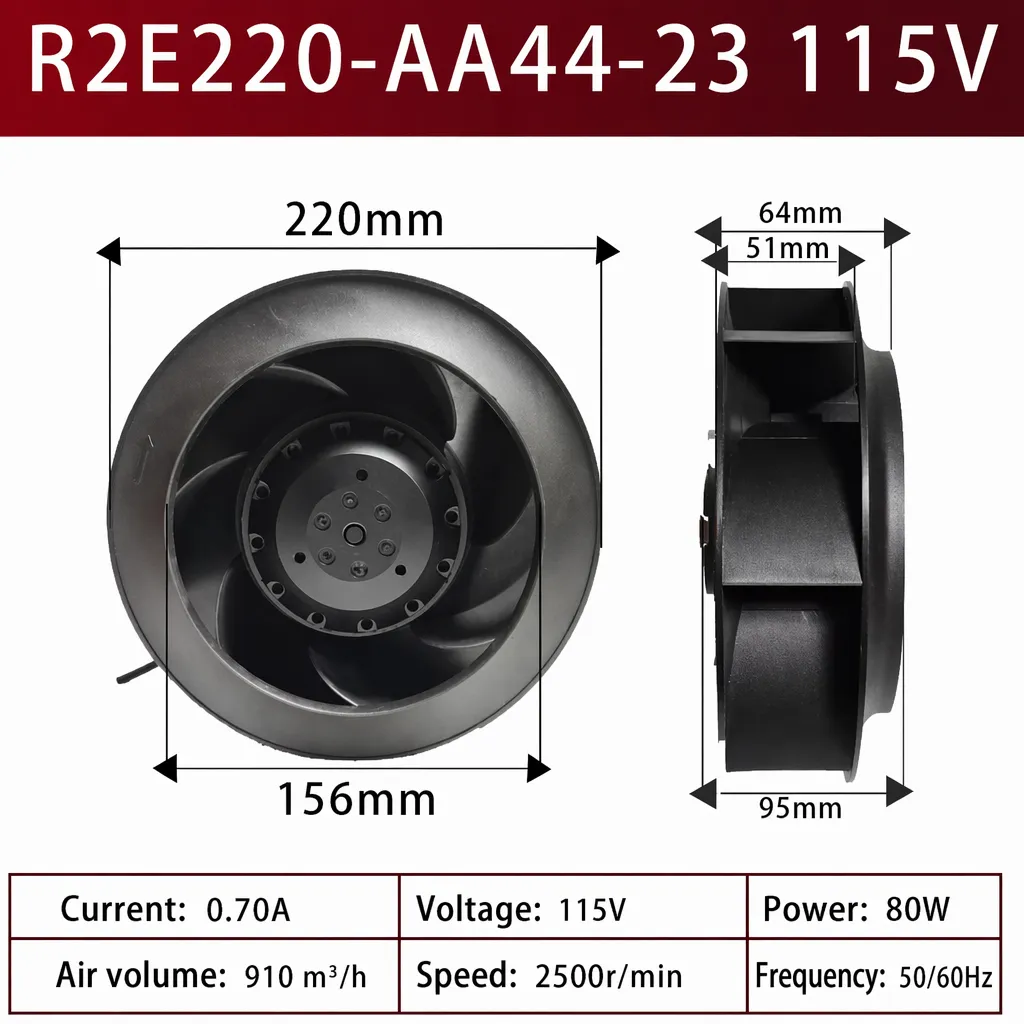
A centrifugal induced draft fan sits on the downstream side of a heating furnace and pulls combustion products out of the chamber. At a steel annealing line, the furnace ran unevenly because a worn axial blower could not hold negative pressure against rising flue gas temperature. Replacing the old unit restored a steady draft and kept the hot exhaust moving as thermal load induced draft fan, flue gas extraction, heating furnace fanclimbed. Such equipment also resists corrosive byproducts that shorten the life of standard fans. At sites burning mixed fuels, flue gas composition changes through the heating cycle, so the duty point shifts and the selected build must keep margin. Acid dew point and sulfur compounds raise corrosion risk once the stream cools below the condensation line, which is why upstream insulation and drain points matter as much as the wheel itself.
A centrifugal induced draft fan works by pulling rather than pushing. Mounted after the heating furnace, it creates a slight vacuum in the flue so hot flue gas flows toward the stack instead of leaking into the workspace. The induced draft keeps workers safe and protects nearby controls from heat. Because the fan sees the hottest, dirtiest stream, its impeller and housing must survive continuous high temperature without warping. Stable negative pressure also improves combustion efficiency and lowers fuel use across the heating cycle.
The centrifugal path sends gas through a spinning impeller that throws it outward, building static pressure to overcome duct resistance. Unlike an axial design, this layout keeps the motor away from the hot stream, so the brushless motor with an outer rotor stays cooler. When flue gas carries corrosive elements from treated metals, a galvanized steel or special alloy impeller resists attack far longer than painted mild steel. Correct material choice up front avoids early failure and unplanned shutdown. The velocity profile across the inlet also affects wheel balance, so field crews should verify inlet alignment and duct clearance before the first run. A clean, well-supported inlet reduces vibration and keeps the unit within its rated envelope.
A ceramics kiln suffered frequent trips when its draft fan stalled under thermal load peaks. The hot flue gas contained acidic condensate that ate through the old impeller within months. Installing a centrifugal induced draft fan with a backward curved impeller and sealed bearings solved both issues. Draft held steady through induced draft fan, flue gas extraction, heating furnace fanthe firing curve, and the build ran a full season with no leak. The plant cut maintenance stops and kept output on schedule. Post-installation readings showed the outlet temperature held under the rated limit even at peak firing, and bearing housing temperature stayed within the safe band. Monthly inspection of the impeller coating caught minor wear before it spread, which kept the maintenance plan predictable rather than reactive.
Material selection drives service life in furnace duty. Flue gas often exceeds 200 °C and may carry particulates or corrosive vapors. A centrifugal induced draft fan rated for high temperature uses an impeller and housing in galvanized steel, stainless, or special alloy matched to the gas. Backward curved blades shed dust and hold efficiency as the system ages. Correct material choice keeps the draft stable and prevents the rapid wear that forces emergency replacement.
The motor must survive heat radiating from the duct. A brushless motor with an outer rotor places copper winding away from the gas path and runs with low heat generation. Precision ball bearing with high-temperature grease supports continuous duty, while sealed construction blocks dust and moisture from the race. Insulation clainduced draft fan, flue gas extraction, heating furnace fanss rated for the duty cycle prevents thermal trip under load. Protected bearings extend service life and reduce the lubrication intervals that tie up plant staff.
Furnace ducts carry elbows, dampers, and filters that resist flow. The centrifugal induced draft fan must deliver enough static pressure to push flue gas through that resistance at the required volume. Sizing on static pressure rather than free airflow prevents an underpowered unit that surges or stalls. A steady draft keeps heating furnace combustion even and protects product quality. Field commissioning should confirm pressure against the actual duct layout with IP54 ingress protection on the terminal box.
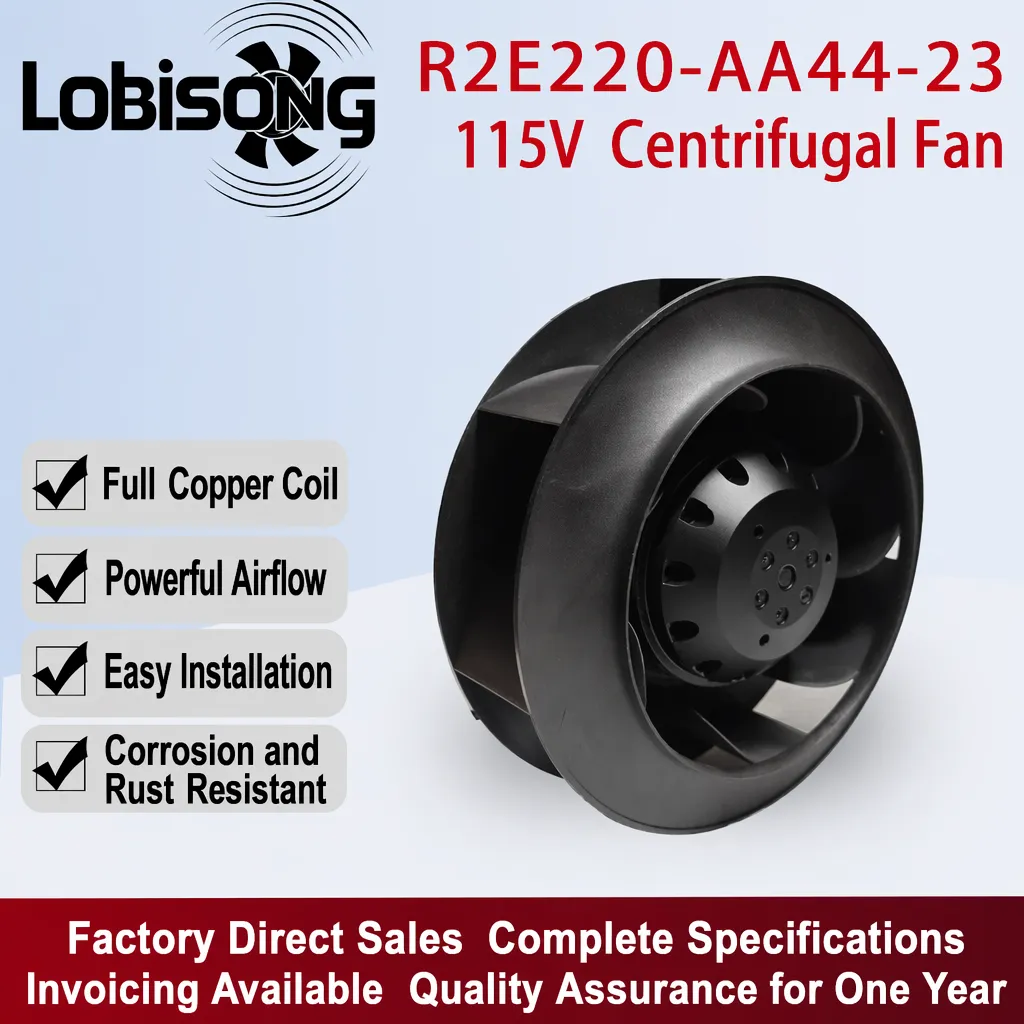
Buyers should size the fan from flue gas volume, peak temperature, and total duct resistance rather than motor frame alone. A centrifugal induced draft fan chosen on real duty holds margin for load swings without overloading. Reviewing the gas composition early avoids a material that fails against corrosive content. Consulting CAD drawings and duty data before purchase prevents mismatch and rework on site.
Industrial fans for export must meet the marks buyers trust. CE and UKCA cover the European market, while IEC and EN define electrical and safety limits. CCC applies to China-bound supply, and ISO quality systems back consistent build. Specifying these on the order sheet keeps customs and procurement smooth. Requesting test data and certification documents at quotation stage protects the buyer and shortens acceptance on arrival.
A centrifugal induced draft fan remains the practical choice for pulling high-temperature flue gas from heating furnaces where corrosive flow and thermal peaks challenge weaker units. Correct material, protected motor, and right static pressure sizing keep the draft stable through the full firing cycle. Specifying certified builds and confirming duty data at order stage protects the investment and uptime.
What does an induced draft fan do in a heating furnace?
The unit pulls combustion gas from the furnace chamber by creating negative pressure on the outlet side. Hot flue gas flows toward the stack instead of leaking into the plant. This protects workers and controls from heat and fumes. The design also improves combustion stability and lowers fuel use. Proper sizing keeps the draft steady across the whole heating cycle and supports safer operation.
Why use induced draft instead of forced draft for hot flue gas?
Induced draft places the fan after the furnace, so only cooled gas reaches the wheel and the motor stays away from the hottest stream. Forced draft pushes air in and exposes the unit to full furnace heat. Pulling flue gas out gives safer negative pressure and steadier combustion. That arrangement suits high-temperature and corrosive exhaust far better than a push setup in most furnace applications.
How should buyers size an induced draft fan for furnace duty?
Buyers size a centrifugal induced draft fan from flue gas volume, peak temperature, and total duct resistance, not motor frame alone. Reviewing gas composition early prevents a material that fails against corrosive content. Confirming static pressure against the real duct layout avoids surging or stalling. Requesting CAD dinduced draft fan, flue gas extraction, heating furnace fanrawings and duty data before purchase prevents on-site rework and protects the project schedule.
Can one fan handle both corrosive and high-temperature gas?
A single unit can manage both when built for the duty. A galvanized steel or special alloy impeller resists corrosive attack, while heat-rated insulation and sealed bearings survive high temperature. Backward curved blades shed dust and hold efficiency. Matching material to the gas composition is the key step. With the right build, one fan covers corrosive and hot flue gas without early failure.
Which certifications matter when importing furnace fans to Europe?
For Europe, CE and UKCA marks are required, backed by IEC and EN electrical and safety limits. CCC applies to China-bound supply, and ISO quality systems support consistent manufacturing. Requesting certification documents at quotation stage smooths customs and acceptance. Specifying these marks on the order sheet protects the buyer and shortens commissioning after the unit arrives at the plant.

2026/09/30
Cement cabinets choke on dust. Learn the filter rule for an industrial cabinet cooling fan: G4/F7 media, IP rating, and pre-filter care.

2026/10/07
Right wall-mount height for an industrial axial exhaust fan: room volume, free clearance, brackets, and recirculation control.

2026/10/08
An ec motor fan links to BMS via Modbus, 0-10V and PWM for demand-based cooling, energy scheduling and automatic sensor-driven speed control.

2026/10/06
A radial exhaust fan removes grease, fumes, and odors from food-processing workshops with capture velocity and hygienic washdown design.

2026/10/05
Learn antistatic treatment for industrial cabinet cooling fan in electronics workshops—ESD-safe housing, ionizable plastics, and cleanroom compatibility.

2026/10/04
Discover how a brushless dc servo delivers precise wind speed control for laboratory cooling fans with closed-loop PID feedback and laminar airflow.
