 EN
EN
What filter matching rule for dust proof cabinet cooling fan operating in cement factories
2026/09/30
Cement cabinets choke on dust. Learn the filter rule for an industrial cabinet cooling fan: G4/F7 media, IP rating, and pre-filter care.

2026/09/07
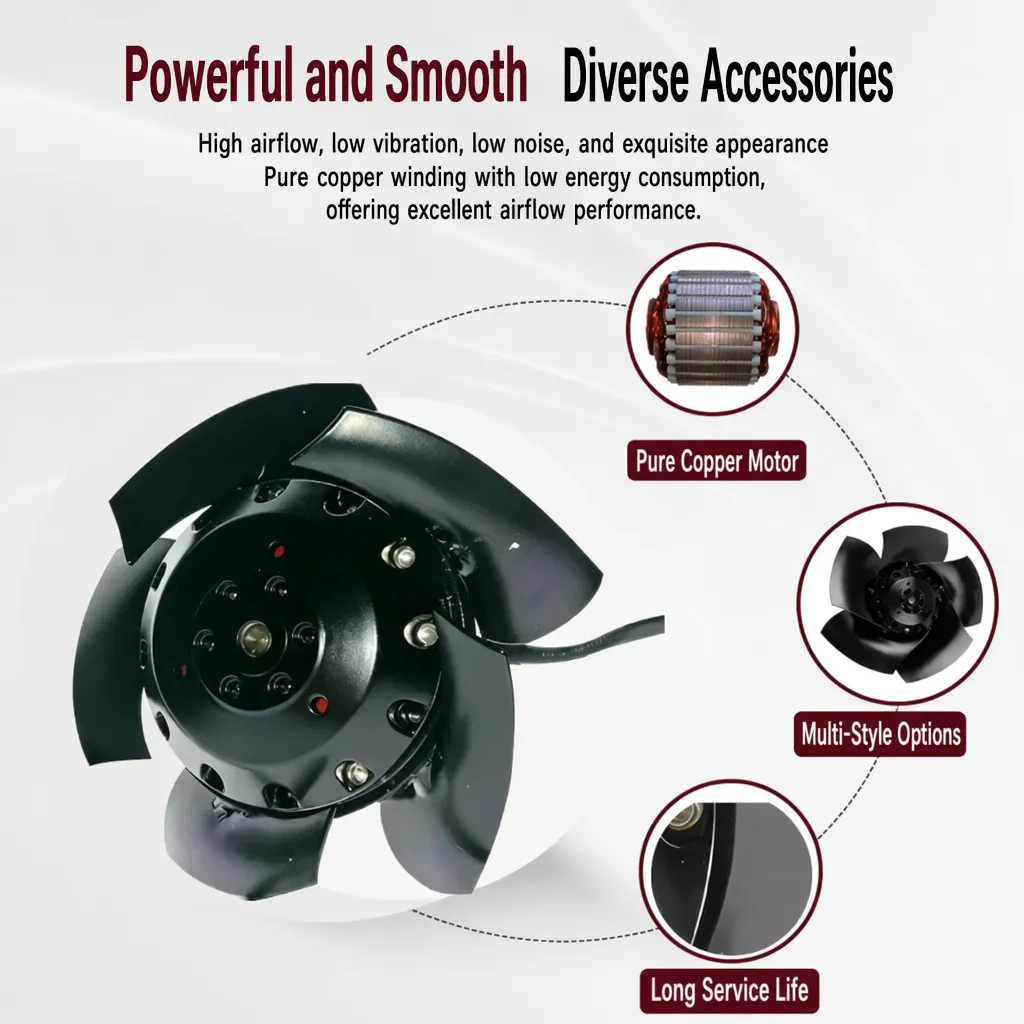
Audio and broadcast racks concentrate amplifiers, DSP units, and power supplies in a tight metal box, and that concentration creates heat few studio owners anticipate. An audio rack cooling fan built for this environment has to move air without becoming the loudest thing in the room. The real engineering challenge is thermal, not cosmetic: protect sensitive electronics from temperature drift while keeping the acoustic footprint low enough that a microphone never picks it up. Cooling here is a balancing act between airflow, noise, and vibration, and getting it wrong is heard before it is seen.
A commercial post-production studio filled a 42U rack with Class-D amplifiers and a bank of networked audio processors. The control room felt comfortable, yet the rack's rear panel ran hot to the touch after long sessions, and intermittent digital dropouts began appearing during recordings. After fitting a purpose-built audio rack cooling fan with a low-speed, large-diameter wheel and a rubber-isolated mount, exhaust temperature fell by roughly 18 °C and the dropouts stopped. The lesson was simple: a rack can overheat while the room stays cool, because the heat is trapped inside the enclosure rather than escaped through a defined path.
Every amplifier and power supply converts part of its draw into waste heat. In a dense audio equipment rack, that load can reach several hundred watts behind a closed front panel. Without a defined air path, warm air stratifies near the top and recirculates through the intakes below. Sustained temperatures above a device's rated range accelerate component aging and shift bias points in analog circuits, which listeners hear as hum or reduced headroom. Thermal management is therefore part of signal integrity, not just reliability, and it deserves the same attention given to cabling and gain staging.
Noise from a fan comes from blade-pass frequency, turbulence at the trailing edge, and the motor itself. A well-designed AV rack solution uses a larger, slower impeller so the same airflow is delivered at a lower noise level, pushing most acoustic energy below the band a microphone captures. Specifying the fan by decibel at the required CFM matters more than chasing peak airflow. Quiet operation is achieved by tuning blade geometry and controlling fan speed, not by simply throttling a noisy unit until it is merely tolerable in an empty room. A larger wheel spreads the same volume across more blades at lower tip speed, which cuts the high-frequency hiss that microphones hate. That is why a rack mount audio rack cooling fan often outperforms a small high-rpm part on both noise and airflow.
A spinning wheel transmits vibration into the rack frame, and that energy travels straight to microphones and preamps. Resonance occurs when the fan's rotational frequency matches a panel's natural mode, turning a small hum into an obvious buzz that ruins a take. An audio rack cooling fan should sit on damped mounts and use a balanced impeller so vibration stays isolated from the structure. Proper isolation protects both the recording and the longevity of screwed connections that gradually loosen under sustained oscillation.
Start with the total wattage dissipated inside the rack and the maximum temperature rise the gear can accept. A 400 W rack that must stay 12 °C above ambient needs around 90 CFM of delivered airflow after filter losses. Oversizing adds noise and power draw; undersizing leaves heat in place. Request the fan curve and match it to the measured heat load, because a generic "quiet fan" rarely holds CFM once a filter loads with studio dust, pet hair, or smoke from a live venue. An audio rack cooling fan selected this way also leaves headroom for summer ambient spikes, so the gear stays safe when the room itself warms. Document the chosen CFM and the measured load so future expansion can be planned without reworking the whole ventilation layout.
Mount the fan to pull air front-to-back or bottom-to-top, depending on the rack's venting. Use a washable filter in dusty venues and confirm the unit's IP rating suits the space. Inspect every quarter: check that the wheel spins freely, listen for bearing roughness, and confirm airflow with a simple anemometer at the exhaust. An audio rack cooling fan with precision bearings runs for years, but only if the filter is cleaned before it chokes the very cooling it was installed to provide. An audio rack cooling fan should be wired to a thermal switch so it spins up only when needed, saving power and bearing life. IEC 60529 defines the IP code used for ingress protection.
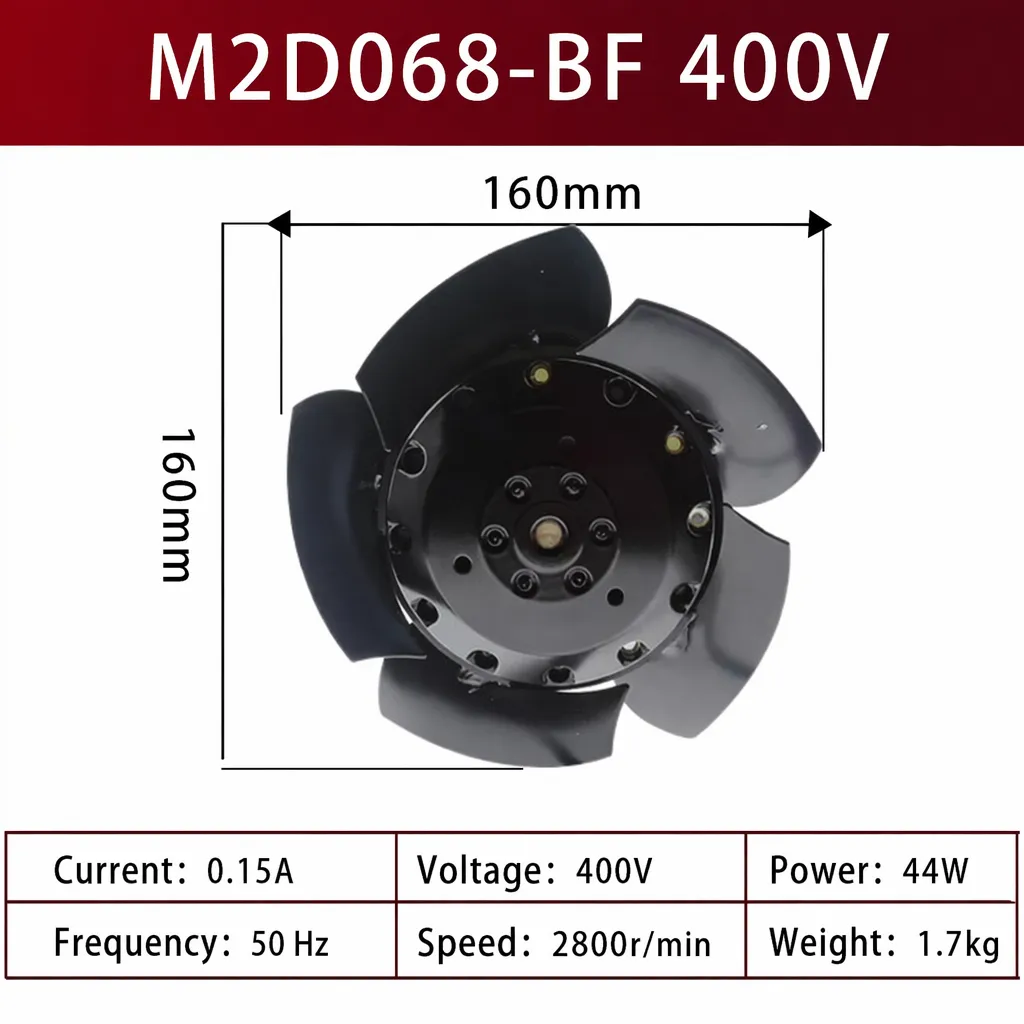
Specifying cooling for an audio rack is a thermal and acoustic problem solved together. An audio rack cooling fan earns its place only when airflow, noise level, and vibration isolation are matched to the rack's real heat load and the room's sound requirements. Procurement gets a reliable outcome by requesting performance and decibel data, confirming isolation mounts, and setting a filter-maintenance interval from day one. The payoff is stable gear, clean recordings, and a ventilation system the talent never notices.
Question: How much airflow does a rack cooling fan need? Answer: Size the fan from the rack's total dissipated wattage and the allowable temperature rise. A 400 W rack tolerating a 12 °C rise needs roughly 90 CFM after filter losses. Always request the supplier's fan curve and match it to the measured heat load rather than choosing a generic quiet fan, which often loses CFM once a filter loads with dust.
Question: Why does fan noise matter in a recording studio? Answer: Microphones capture far more than the human ear notices, and a loud fan adds a steady tonal background that ruins takes. A purpose-built rack cooling fan delivers required airflow at a lower noise level by using a larger, slower wheel. Controlling fan speed and blade geometry keeps the sound below the microphone's sensitive band.
Question: Can vibration from a cooling fan affect audio quality? Answer: Yes. A spinning impeller transmits vibration into the rack frame, and resonance can amplify it into an audible buzz. Isolated damped mounts and a balanced wheel keep that energy away from preamps and microphones. Without isolation, even a quiet fan can degrade recordings through structural coupling to the stand or desk.
Question: Where should the cooling fan be mounted in an AV rack? Answer: Mount it to create a clear path, usually drawing cool air in at the bottom or front and exhausting at the top or rear. This follows heat's natural rise and prevents recirculation. Blank panels and sealed cable entries help the audio rack cooling fan move air through the gear instead of around the cabinet's edges.
Question: How often should an audio rack fan be maintained? Answer: Inspect quarterly. Check that the wheel spins freely, listen for bearing roughness, and verify exhaust airflow with an anemometer. Clean or replace the washable filter before dust chokes it. Precision bearings last for years, but only when the filter is serviced on a fixed schedule rather than when problems first appear.

2026/09/30
Cement cabinets choke on dust. Learn the filter rule for an industrial cabinet cooling fan: G4/F7 media, IP rating, and pre-filter care.

2026/10/07
Right wall-mount height for an industrial axial exhaust fan: room volume, free clearance, brackets, and recirculation control.

2026/10/08
An ec motor fan links to BMS via Modbus, 0-10V and PWM for demand-based cooling, energy scheduling and automatic sensor-driven speed control.

2026/10/06
A radial exhaust fan removes grease, fumes, and odors from food-processing workshops with capture velocity and hygienic washdown design.

2026/10/05
Learn antistatic treatment for industrial cabinet cooling fan in electronics workshops—ESD-safe housing, ionizable plastics, and cleanroom compatibility.

2026/10/04
Discover how a brushless dc servo delivers precise wind speed control for laboratory cooling fans with closed-loop PID feedback and laminar airflow.
