 EN
EN
What filter matching rule for dust proof cabinet cooling fan operating in cement factories
2026/09/30
Cement cabinets choke on dust. Learn the filter rule for an industrial cabinet cooling fan: G4/F7 media, IP rating, and pre-filter care.

2026/09/03
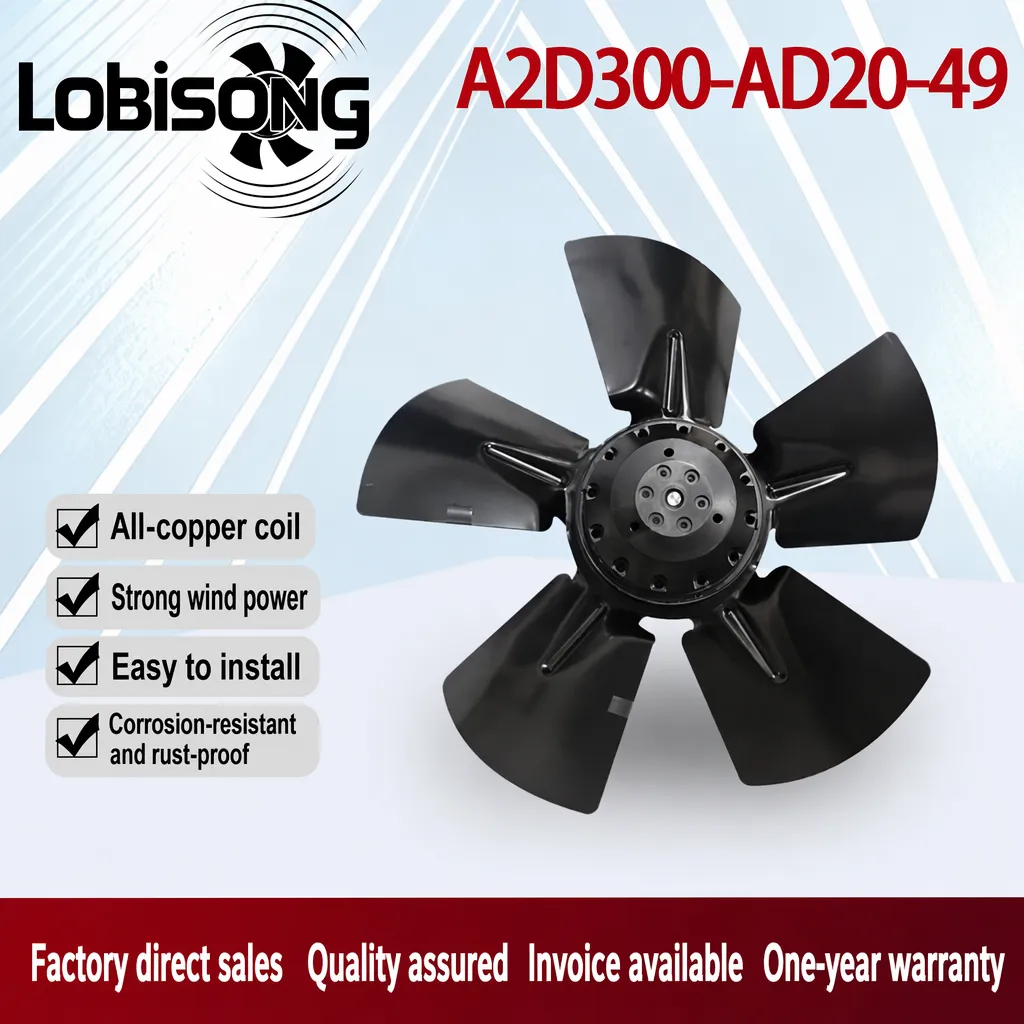
Why charging pile cabinets overheat in the field
Heat in a charging pile starts at the semiconductors and moves outward through the heatsink, the internal air, and the cabinet wall. An equipment cooling fan closes that chain by pulling warm internal air out and drawing cooler ambient in through a filtered path. Without that movement, the air inside stratifies, the heatsink loses its ability to shed energy, and junction temperatures climb toward the limit where the inverter derates. The chain is unbroken in a well-designed cabinet, but the moment any link weakens, the whole pile loses capacity during the exact hours drivers need it most.
Sustained high temperature ages capacitors, embrittles solder joints, and pushes relay contacts toward failure, so a cabinet that runs hot fails younger than one kept cool. Above a threshold, the controller throttles output to protect itself, which drivers experience as a slow or stalled charge. In summer, ambient heat compounds the problem, and a cabinet placed in direct sun with no shade can exceed its design envelope before noon. Overheating is rarely a sudden breakdown; it is a creeping loss of reliability that shows up as intermittent faults and shortened service life.
A highway service station deployed twelve fast-charging piles, but through the first hot season several cabinets tripped offline during midday demand. The site sat in open pavement with no shade, and internal temperatures climbed until the protection logic cut output. Drivers faced long waits, and the operator lost revenue on the busiest days. The original cabinets relied on passive vents that could not move enough air once the pile ran at rated current under a hot sky.
A supplier reviewed the thermal layout and fitted each cabinet with a filtered equipment cooling fan sizedequipment cooling fan, charging pile cabinet cooling, EV charger thermal management from the inverter's heat rejection at peak current. Intake filters kept road dust off the electronics, and a thermostat switched the fan in stages as temperature rose. After the change, the cabinets held their rated output through the afternoon peak, and the midday trips stopped. The operator recovered lost charging sessions without replacing the enclosures, and the same fans simplified later maintenance because the filters were easy to reach and swap.
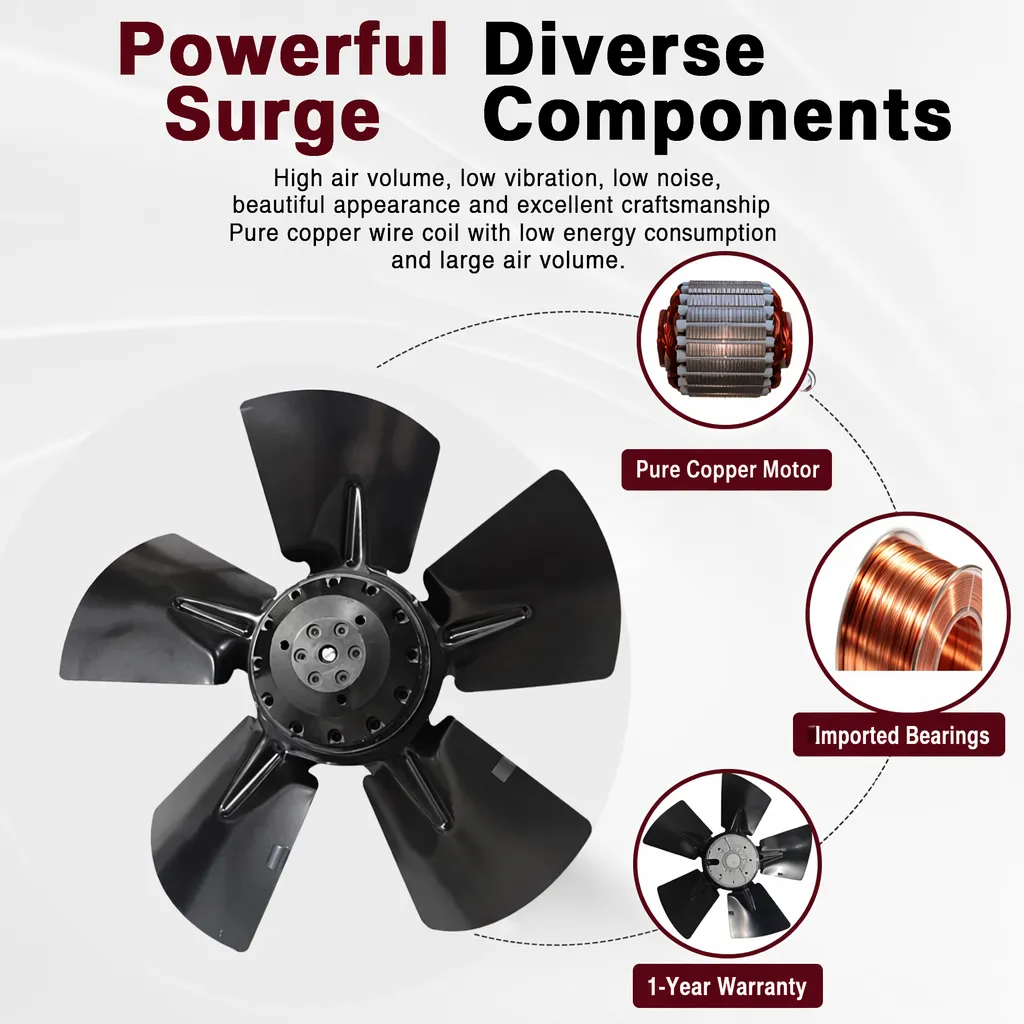
Cooling works only when air actually reaches the hot parts and leaves with the heat. A practical layout places the intake low and the exhaust high, using the cabinet's own height to assist convection while the fan drives the volume. Filters at the intake stop dust from coating the heatsink, which is the silent killer of enclosure cooling, because a fouled fin block insulates the very surface that needs to shed energy. The fan must overcome the filter's pressure drop, so selecting the duty point with the media in place matters more than the free-air number on the box.
Sizing starts from the watts the electronics dissipate at peak, converted into the required CFM at the cabinet's allowable temperature rise. Placement puts the fan where it evacuates the warmest air rather than stirring it, and where vibration will not loosen connections. Control logic ranges from a simple thermostat to a signal tied to inverter temperature, staging the fan so it runs only as hard as needed. An equipment cooling fan left running flat-out wastes energy and wears the bearing; one matched to the load runs quieter and lasts longer while still protecting the pile.
Charging equipment sits under electrical and enclosure rules that shape cooling design. IP ratings from IEC 60529 define how well the cabinet resists dust and water, which directly affects filter and fan choice, and NFPA 70E frames the safe access needed during service. IEEE and regional EV codes guide thermal management expectations for the power electronics. Specifying the equipment cooling fan against these references keeps the solution compliant and comparable, and it prevents a cooling fix that accidentally compromises the enclosure's ingress protection.
Buyers should confirm the heat load in watts, the cabinet's internal temperature limit, and the ambient range the site experiences, including sun load. Request the fan's performance curve with the filter installed, the bearing type, and the ingress rating. On the maintenance side, inspect and replace filters on a schedule tied to local dust, and log cabinet temperature at peak to catch gradual fan slowdown. An equipment cooling fan that loses a few CFM per year can still let a cabinet creep past its limit, so trend data, not a single reading, protects uptime.
An equipment cooling fan is the difference between a charging pile that serves drivers through every summer and one that quietly fails when demand peaks. Treating cabinet cooling as a designed system, not an afterthought, keeps the pile online and the revenue flowing.
Why do charging pile cabinets overheat in summer?
Charging piles dissipate heat from power electronics, and summer ambient plus direct sun pushes cabinet temperatures past the design envelope. Passive vents cannot move enough air at rated current under a hot sky, so internal heat builds until the inverter derates or trips. An equipment cooling fan sized to the peak heat load keeps the cabinet within limits through the afternoon peak.
How is the cooling fan sized for a charging cabinet?
Sizing starts from the watts the electronics reject at peak current, then converts that into the required CFM at the cabinet's allowable temperature rise. The filter's pressure drop must be included, because a fouled media reduces real airflow. Confirm the duty point on the performance curve with the filter installed, not the free-air number, so the fan performs once enclosed.
What ingress rating should the cabinet cooling use?
IP ratings from IEC 60529 define dust and water resistance, and the cooling fan and filter must preserve the cabinet's rated protection. Outdoor piles need higher ingress defense than indoor units, yet the filter still has to breathe. Match the rating to the site, and avoid modifications that punch holes in the enclosure and quietly break its seal.
Where should the fan and intake be placed?
Place the intake low and the exhaust high so the cabinet's height assists convection while the fan drives volume. Position the fan to evacuate the warmest air rather than stir it, and away from vibration that could loosen connections. The path must reach the heatsink, because cooling only works when air actually contacts the hot surfaces.
How often should charging cabinet filters be changed?
Interval depends on local dust and pollen, with roadside and desert sites needing far more frequent service than sheltered locations. Inspect monthly in harsh settings and log cabinet temperature at peak to detect slow airflow loss. A filter that looks acceptable can still restrict enough CFM to let the cabinet creep past its thermal limit over a season.
Can an overheating cabinet be fixed without replacement?
Often yes, because the enclosure is usually sound while the airflow path is the weak link. Fitting a correctly sized, filtered cabinet cooling fan with staged control frequently restores rated output without rebuilding the cabinet. Confirm the heat load and ambient first, then verify with temperature logging that the trips stop across a full hot season.

2026/09/30
Cement cabinets choke on dust. Learn the filter rule for an industrial cabinet cooling fan: G4/F7 media, IP rating, and pre-filter care.

2026/10/07
Right wall-mount height for an industrial axial exhaust fan: room volume, free clearance, brackets, and recirculation control.

2026/10/08
An ec motor fan links to BMS via Modbus, 0-10V and PWM for demand-based cooling, energy scheduling and automatic sensor-driven speed control.

2026/10/06
A radial exhaust fan removes grease, fumes, and odors from food-processing workshops with capture velocity and hygienic washdown design.

2026/10/05
Learn antistatic treatment for industrial cabinet cooling fan in electronics workshops—ESD-safe housing, ionizable plastics, and cleanroom compatibility.

2026/10/04
Discover how a brushless dc servo delivers precise wind speed control for laboratory cooling fans with closed-loop PID feedback and laminar airflow.
