 EN
EN
What filter matching rule for dust proof cabinet cooling fan operating in cement factories
2026/09/30
Cement cabinets choke on dust. Learn the filter rule for an industrial cabinet cooling fan: G4/F7 media, IP rating, and pre-filter care.

2026/09/05
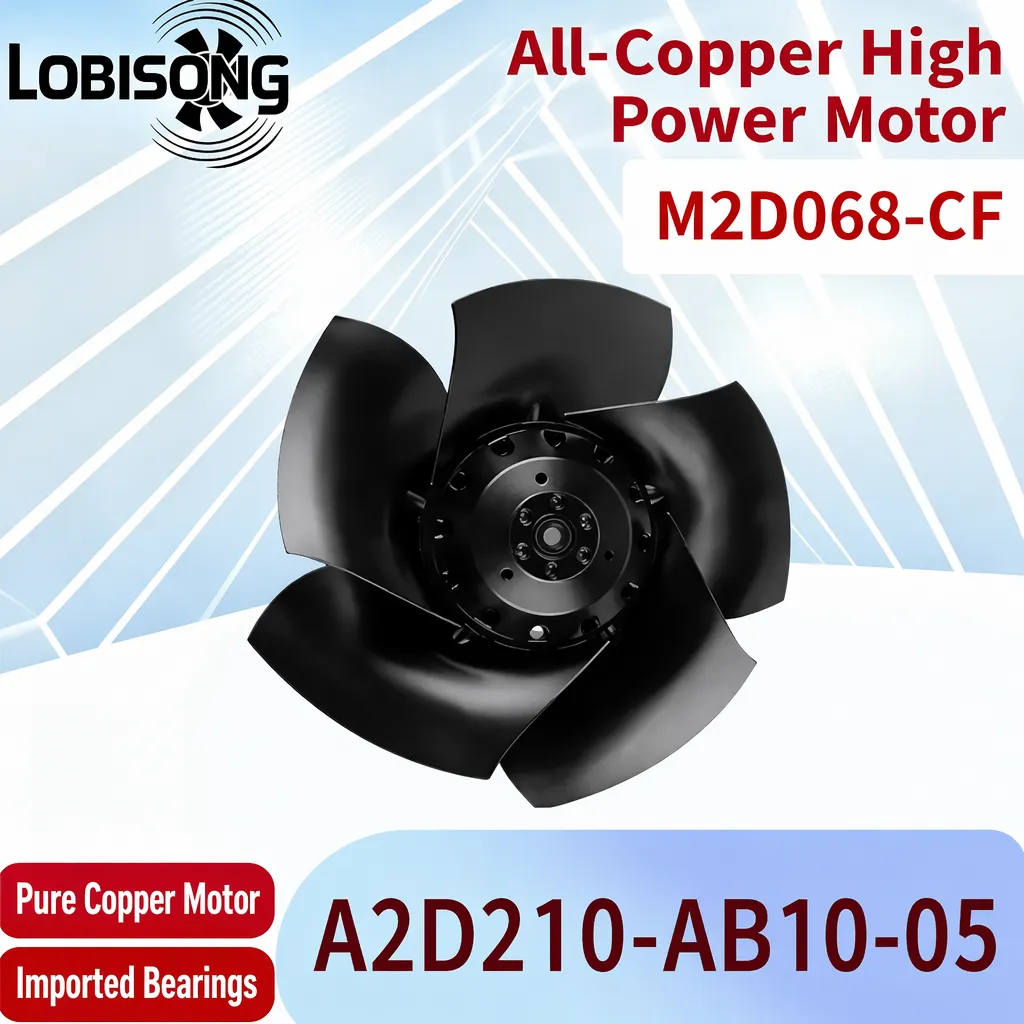
A control cabinet mounted outside a steel plant in northern Russia faces months of freezing rain, wet snow and salt-laden air. An outdoor cooling fan selected for such a site must keep the inverter and drive electronics below their safe temperature limit while water, ice and fine dust try to enter the housing. The wrong product fails within a single winter, forcing unplanned downtime on a production line that runs around the clock. Specifying the correct airflow in m3/h and matching static pressure to the enclosure is the first step toward a reliable installation. Local wind and snow load also shape the mounting bracket and the cable entry, which many buyers overlook until the first storm.
Space inside the building was exhausted, so the VFD enclosure was placed beside the furnace duct on an open platform. A standard indoor unit could not survive there. The procurement team needed an outdoor cooling fan rated for continuous duty in sub-zero ambient temperature, with ingress protection against blowing snow and periodic hose-down during maintenance. Dust from the adjacent material handling line added another failure path that had to be designed out from the start. Beyond dust, the site recorded wind-driven rain that penetrated every weak seam, so the chosen model also required an IP54 rating and a sealed bearing assembly to keep the controller dry through the heating season.
The cabinet was fitted with an IP54-rated axial unit using a brushless motor with an outer rotor design and pure-copper windings. Sealed precision ball bearings and a gasketed enclosure blocked moisture at every seam. After one full heating season the internal temperature held inside the design band, no condensation appeared on the controller, and the maintenance interval stretched from weeks to a full campaign. The same model now cools three neighbouring cabinets on the same platform, and the plant logged lower noise level and vibration readings than the previous open-frame fans. For an outdoor cooling fan in toutdoor cooling fan, IP54 waterproof fan, northern industrial coolinghis duty, the sealed construction proved more valuable than raw airflow once winter set in.
When a warm cabinet meets −30 °C air, humid internal air condenses on cold metal and then freezes. Ice blocks the impeller and insulates heat sinks, so airflow collapses. A unit without controlled ventilation and a matched enclosure lets humidity accumulate, and the resulting frost can stall the rotor at the worst momeoutdoor cooling fan, IP54 waterproof fan, northern industrial coolingnt. Managing ambient temperature gradients is as important as moving air. An outdoor cooling fan installed below an open platform collects meltwater on the upper panel; a sloped cover sheds it before it reaches the seal. A small desiccant breather helps where humidity stays high near process water.
Salt, rain and industrial fumes attack raw steel and aluminium alloy within a season. Once the surface degrades, the shaft seal loses its seat and water reaches the bearing. Frozen grease then locks the bearing, and the motor draws overcurrent until the thermal overload trips. Galvanized steel or hot-dip coating plus a corrosion-resistant finish keeps the structure sound through repeated freeze-thaw cycles. For an outdoor cooling fan near a salt mine, the coating choice decides the service life. Coastal and mine sites are the harshest, so the enclosure should be specified to IEC and EN standard corrosion guidance, with a periodic leak test on the gasket to catch age-related hardening before it admits moisture.

Ingress protection codes define what a housing keeps out. An IP54 rating seals against dust and water splashed from any direction, while IP55 adds low-pressure jet resistance for harsher wash-down. Behind the rating sits the sealed bearing: precision balls run in grease that never contacts outside air, so snow melt cannot wash lubricant away, leaving a waterproof path through the sealed chamber. The gasket, the latch and the cable gland all share the same ingress protection target, and together they form a waterproof barrier that keeps the motor chamber dry during a low-pressure wash-down. Whenoutdoor cooling fan, IP54 waterproof fan, northern industrial cooling evaluating an outdoor cooling fan, the IP rating should be read together with the bearing seal specification. The sealed bearing needs no field lubrication during the campaign. Buyers should request the test report from a CE or ISO accredited lab, because a printed IP54 label means little without the underlying pressure-decay verification that proves the claim.
Low-temperature-rated electronics and cold grease let the rotor turn at −40 °C on first energize. Pure copper winding reduces heat generation, lowering the risk of thermal trip during a long cold start. For northern climate duty, hot-dip galvanizing or powder coating beats paint, and an aluminium alloy frame sheds ice without adding weight. Selecting the right insulation class and derating the duty cycle protects service life across the season. An outdoor cooling fan that pairs cold-start design with a corrosion-resistant enclosure typically shows a longer MTBF than a tropical-rated unit forced into the same site, since every seal and coating is matched to the real weather load.
Choosing the right outdoor cooling fan for a northern site is an engineering decision, not a catalogue pick. IP54 or IP55 ingress protection, sealed bearings, cold-rated grease and a corrosion-resistant enclosure turn a fragile component into a dependable part of the plant. Pair that hardware with a sensible inspection plan and the cabinet survives rain, snow and freeze-thaw for years. Confirm CE, IEC and EN marks on the nameplate, and ask the supplier for the ingress protection certificate and a CAD drawing before the order is placed.
What IP rating does a fan need for snow and rain? A unit exposed to blowing snow and hose-down cleaning should carry at least an IP54 rating, with IP55 preferred where low-pressure jets are used. Ingress protection defines how well the enclosure blocks dust and water. Sealed bearings and a gasketed seam must match the same rating, or the whole housing fails at its weakest point. Always confirm the certificate from a recognized test house.
Why do bearings freeze in cold northern zones? Grease toutdoor cooling fan, IP54 waterproof fan, northern industrial coolinghickens as ambient temperature falls, and water that reaches the bearing washes lubricant away or freezes solid. A sealed bearing with cold-rated grease keeps the balls isolated from outside air and moisture. Precision manufacturing holds the internal clearance so the rotor still turns at −40 °C. Without that design, the motor draws overcurrent and the thermal overload trips on every cold start.
How should a fan be inspected each season? Check the enclosure gasket for cracks, confirm the cable gland is tight, and look for white corrosion on the frame. Listen for rising noise level or vibration that signals a worn bearing. Verify airflow in m3/h against the nameplate and clear any ice from the impeller. A short checklist before winter prevents most failures and protects the service life of the whole cabinet.
Can a standard indoor fan be used outside with a cover? A simple cover reduces direct rain but cannot control humidity, condensation or salt spray, and it traps heat that the electronics must shed. Ingress protection, sealed bearings and corrosion-resistant coating are built into the product, not added by a shield. For northern climate duty the unit needs cold-start design and an IP54 or IP55 rated enclosure from the factory to survive the season.
Where are sealed bearings and coatings most critical? Coastal, salt-mine and furnace-adjacent sites see the worst corrosion, so galvanized steel or aluminium alloy with powder coating matters most there. Sealed bearings protect the rotor wherever snow melt and hose-down reach the seam. Any outdoor cooling fan placed below an open platform or near a wash station depends on these details to keep running through repeated freeze-thaw cycles.

2026/09/30
Cement cabinets choke on dust. Learn the filter rule for an industrial cabinet cooling fan: G4/F7 media, IP rating, and pre-filter care.

2026/10/07
Right wall-mount height for an industrial axial exhaust fan: room volume, free clearance, brackets, and recirculation control.

2026/10/08
An ec motor fan links to BMS via Modbus, 0-10V and PWM for demand-based cooling, energy scheduling and automatic sensor-driven speed control.

2026/10/06
A radial exhaust fan removes grease, fumes, and odors from food-processing workshops with capture velocity and hygienic washdown design.

2026/10/05
Learn antistatic treatment for industrial cabinet cooling fan in electronics workshops—ESD-safe housing, ionizable plastics, and cleanroom compatibility.

2026/10/04
Discover how a brushless dc servo delivers precise wind speed control for laboratory cooling fans with closed-loop PID feedback and laminar airflow.
