 EN
EN
What filter matching rule for dust proof cabinet cooling fan operating in cement factories
2026/09/30
Cement cabinets choke on dust. Learn the filter rule for an industrial cabinet cooling fan: G4/F7 media, IP rating, and pre-filter care.

2026/09/08
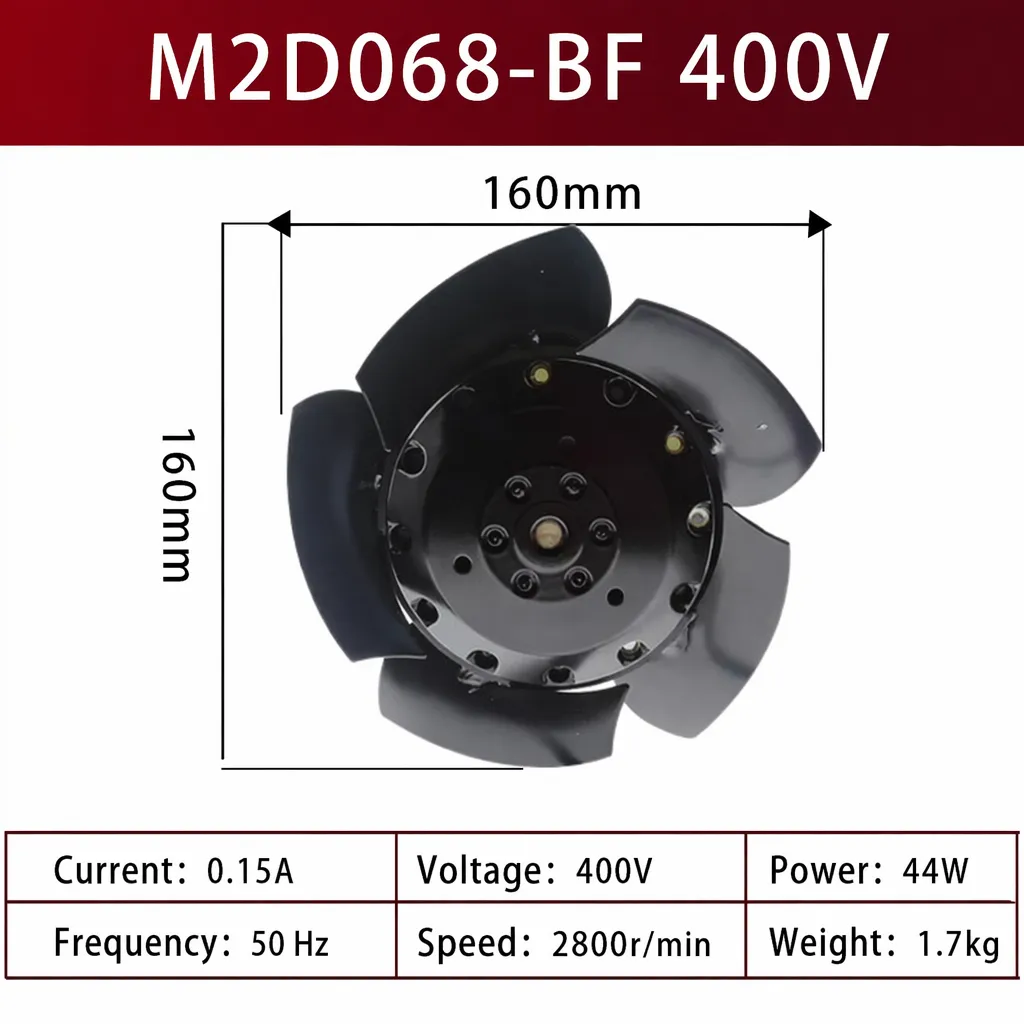
A radial tip fan turns a broad cooling job into a precise one by pushing air through a narrow, high-pressure stream aimed exactly where the process needs it. On an automated assembly line, heat from soldering, sealing, or curing concentrates at a few points, and only directed airflow keeps those points stable.
A contract manufacturer ran a conveyor carrying freshly sealed units past an infrared oven. The units left the oven hot and needed a short, even cool-down before labeling. The line engineer suspected a radial tip fan could replace the wide axial blower that merely stirred the warm air. The goal was a tight cooling zone rather than a gentle breeze across the whole cell.
The existing axial fan moved a lot of air but at low pressure, so the stream spread and lost force within a few centimeters. Hot spots near the belt edges never cooled, and labels bubbled on the warmer units. Such a fan was proposed because its impeller builds higher static pressure, letting the air reach the part instead of fading into the room.radial tip fan, directional air blowing, assembly line fan, spot cooling fan, radial blade fan
The team mounted the unit above the conveyor with a short duct and an adjustable nozzle. After startup, the cooling zone held a steady temperature band and the labeling reject rate dropped. The change took one shift and needed no new control cabinet. Operators could aim the air jet by turning the nozzle, which made the spot cooling easy to tune as line speed changed.
When cooling air misses the target, defects follow. Bubbled labels, weak adhesive bonds, and thermal shock to nearby components all trace back to uneven temperature. Scattered airflow also wastes energy because the fan runs harder to compensate for lost direction. The cost appears as scrap and rework rather than a single visible failure, which makes it easy to overlook on a busy line.
A low-pressure fan fighting an open cell draws more current and runs hotter, shortening its own life. Misaimed high-velocity air can also blow lightweight parts or push contaminants toward clean zones. Without a defined stream, the blast becomes a nuisance instead of a tool. Defining the path with the radial tip design and a nozzle turns that energy into useful work and keeps it away from sensitive stations.
A radial tip fan uses an impeller with blades set at right angles to the hub, throwing air outward into the volute where pressure builds. That pressure, not volume alone, is what drives a narrow stream across a gap. Higher static pressure means the air jet stays coherent over distance, which is why this design suits spot cooling where the part sits away from the fan. The trade is higher noise and a tighter operating window than a casual axial blower.radial tip fan, directional air blowing, assembly line fan, spot cooling fan, radial blade fan
This fan paired with the right nozzle turns pressure into a precise beam. The nozzle shapes the pressurized flow into a focused air jet. A well-chosen opening turns a broad puff into a directed beam that strikes the hot zone and carries heat away. On a conveyor, several nozzles can be staged to cool in steps, or a single air knife can sheet air across a wide part. Spot cooling works well when the jet matches the part size, so the line gets cooling without chilling the operator or the cell.
A forward curved wheel moves more air at lower pressure and suits ventilation, while a radial tip fan trades volume for pressure and reach. The choice depends on whether the job needs a gentle wash of air or a pointed stream. For an assembly line with a defined target, the radial tip design wins because its pressure holds the air jet on course. Matching the wheel to the task prevents both weak cooling and wasted power.radial tip fan, directional air blowing, assembly line fan, spot cooling fan, radial blade fan
Machine builders follow NFPA 79 for electrical safety of industrial machinery and ANSI C84.1 for voltage ratings, while ISO 9001 shapes the quality records behind a supplied unit. These references do not size the fan, but they set the bar for safe wiring, rated performance, and traceable testing. Specifying them gives the buyer a defensible basis to accept or reject a delivered fan of this type.
Buyers should state the target distance, the needed pressure, and the air volume, then confirm the nozzle size during a bench trial. In service, keep the inlet screen clear and check the impeller for dust that unbalances the wheel. Listen for a change in pitch that signals bearing wear. A short monthly check and a logged nozzle inspection keep the directed airflow stable and avoid the slow drift that ruins a cooling zone.
A radial tip fan gives an automated assembly line a way to place cooling exactly where heat appears, using impeller pressure, a focused nozzle, and a coherent air jet. The result is a stable spot cooling zone, fewer label and bond defects, and lower wasted energy. Specifying the target distance and checking the impeller in service keeps the directed airflow working shift after shift.
Question: What is this fan used for on a production line? Answer: A radial tip fan supplies a high-pressure, focused stream for spot cooling and directed airflow on automated lines. Its impeller builds static pressure that drives a coherent air jet across a gap to a hot part. That makes it suited to cooling sealed units after an oven or stabilizing a station where broad fans only stir warm air. The nozzle sets the beam width.
Question: How does this fan differ from a forward curved fan? Answer: A forward curved wheel moves more air at lower pressure and suits general ventilation. This fan trades volume for pressure and reach, which keeps the air jet on course over distance. For a defined cooling target on a conveyor, the radial tip design works better. Choosing the wrong wheel gives weak cooling or wastes power on air that never reaches the part.
Question: Where should the nozzle be aimed for spot cooling? Answer: Aim the nozzle at the hot zone the process actually needs, not at the whole cell. On a conveyor, the air jet should strike the part just after the heat source, with the opening sized to the part width. A short duct and an adjustable nozzle let operators tune the beam as line speed changes. Proper aim delivers spot cooling without chilling nearby stations or the operator.
Question: Can this fan reduce energy use on a line? Answer: Yes, by directing air instead of flooding the cell. A focused air jet cools the target with less total volume than a broad fan fighting an open space, so the motor draws less to do the same job. Lower pressure loss means less wasted energy as heat and noise. The saving shows up as fewer rejects and a cooler, calmer work cell across the shift.
Question: How is this fan maintained in production? Answer: Keep the inlet screen clean and inspect the impeller for dust that can unbalance the wheel and raise vibration. Check the nozzle for blockages that scatter the air jet, and listen for a pitch change that signals bearing wear. A monthly check with a logged nozzle inspection prevents the slow drift that ruins a cooling zone. Replace the fan at the first sign of growing imbalance.

2026/09/30
Cement cabinets choke on dust. Learn the filter rule for an industrial cabinet cooling fan: G4/F7 media, IP rating, and pre-filter care.

2026/10/07
Right wall-mount height for an industrial axial exhaust fan: room volume, free clearance, brackets, and recirculation control.

2026/10/08
An ec motor fan links to BMS via Modbus, 0-10V and PWM for demand-based cooling, energy scheduling and automatic sensor-driven speed control.

2026/10/06
A radial exhaust fan removes grease, fumes, and odors from food-processing workshops with capture velocity and hygienic washdown design.

2026/10/05
Learn antistatic treatment for industrial cabinet cooling fan in electronics workshops—ESD-safe housing, ionizable plastics, and cleanroom compatibility.

2026/10/04
Discover how a brushless dc servo delivers precise wind speed control for laboratory cooling fans with closed-loop PID feedback and laminar airflow.
