 EN
EN
What filter matching rule for dust proof cabinet cooling fan operating in cement factories
2026/09/30
Cement cabinets choke on dust. Learn the filter rule for an industrial cabinet cooling fan: G4/F7 media, IP rating, and pre-filter care.

2026/09/10
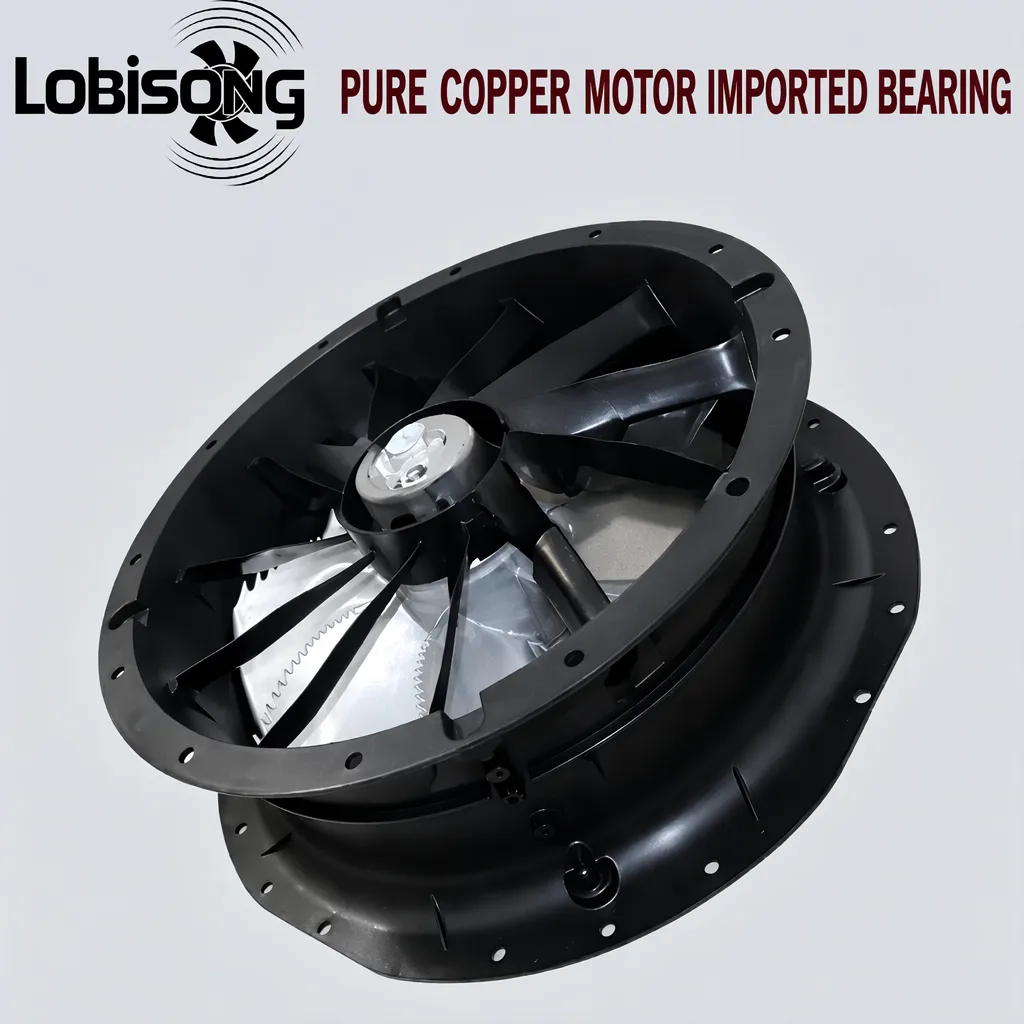
The thermal stability of an electrical control cabinet depends on how air is moved through a sealed enclosure. Plate mounted axial flow fans deliver cabinet ventilation by drawing cool air in or pushing hot air out through a panel cutout. Correct installation decides whether that airflow actually passes over the heat sources or simply bypasses them. A poorly mounted unit leaks air around the flange, reverses direction, or short-circuits its own exhaust back into the intake.
Plate mounted axial flow fans are supplied to a defined panel cutout dimension, and that cutout must match the manufacturer drawing within a tight tolerance. A cutout that is too large leaves a gap the gasket cannot seal; a cutout that is too small forces the flange to sit proud of the plate and distorts the frame. Most panel fan frames specify a cutout tolerance near plus or minus 0.5 millimetre. Plate thickness also matters because the clamping tabs or screws must engage squarely. Verify the opening against the drawing and deburr the edge so the gasket seats cleanly.
Plate mounted axial flow fans need a clear approach path, so position the cabinet fan where the inlet or exhaust stays clear of internal obstructions such as busbars, relays or cable trays. An axial flow fan pulls air along its axis, so any object within one fan diameter in front of the grille reduces flow and raises static pressure. Mount the exhaust fan near the top of the enclosure and the intake low on the opposite wall, so warm air leaves at the top and cool air enters below. This vertical separation sustains a steady, convection-assisted draft.
A wall fan or panel fan relies on a bolted flange and a continuous gasket to clamp the panel. Lay the gasket on the clean plate surface first, then seat the flange evenly and tighten the fasteners in a cross pattern to avoid twisting the frame. Skipping the gasket or over-tightening one corner creates a leak path that lets unfiltered room air bypass the filter and reach live parts. Plate mounted axial flow fans hold their rated performance only when this seal stays intact through the service life.
Cutting a hole in a control cabinet enclosure breaks the original IP seal, so the mounting method must restore it. EN 60529 defines the IP rating that protects internal equipment from dust and water ingress. A flange-mounted fan with a fitted gasket and the correct IP44 or IP54 option preserves the enclosure class for most indoor panels. Assemblies built to IEC 61439 for low-voltage switchgear expect the same continuity of protection after a cutout is made.
An axial flow fan is directional: the impeller and motor orientation decide whether it blows or sucks. Mounting the unit reversed sends warm internal air back into the cabinet instead of exhausting it. The grille and label show the intended flow arrow; align that arrow with the cabinet ventilation plan. Plate mounted axial flow fans carry an arrow on the frame, and that marking should be checked during every commissioning step.
Recirculation happens when the exhaust fan draws its own discharged hot air back through the intake, a short-circuit that wastes energy and raises internal temperature. A panel builder for a food-packaging line mounted two cabinet fans on the same external face only 200 millimetres apart. Warm air from the exhaust re-entered the intake, internal temperature climbed, and a variable-frequency drive tripped on over-temperature during summer shifts. The team relocated the intake to the opposite wall and fitted an external hood over the exhaust. Discharge cleared the enclosure before turning, closing the recirculation loop and letting the drive run through peak load. Good ducting or a baffle stops the loop and restores effective heat removal.
Power leads that pass through a moving panel need strain relief so vibration cannot loosen terminals or fray the conductor. Route the cable away from the fan moving airstream and clamp it to the enclosure wall with a gland or saddle. IEC 60204 and NFPA 79 for control panels require secure, protected wiring with an accessible disconnect. Terminals should be torqued to specification and shielded from accidental contact. Plate mounted axial flow fans often sit near live switchgear, so the wiring must stay clear of the rotating parts and the airflow path.
Long runs of an unbalanced panel fan transmit vibration into the plate and nearby relays, which can loosen connections over time. Plate mounted axial flow fans benefit from a thin anti-vibration gasket or rubber isolator between flange and plate, which cuts that transmission path. Leave clear access in front of the fan so the grille and filter can be removed without dismantling the cabinet. Easy access encourages regular cleaning, which keeps airflow and motor temperature within design limits and extends the interval between service calls.
Proper mounting turns a bare component into a reliable cooling system. Plate mounted axial flow fans perform only when the cutout, flange, gasket, airflow direction and wiring are all correct, because any single weak point lets air bypass the seal, reverse, or recirculate. Following enclosure and wiring standards such as EN 60529, IEC 60204 and NFPA 79 keeps the installation safe and serviceable. Procurement teams should specify the IP option, request the cutout drawing, and confirm the fan direction before dispatch.
Why must the cutout match the fan drawing so closely?
Answer: A cutout outside tolerance leaves a gap the gasket cannot seal or forces the flange proud of the plate. Either fault lets unfiltered air bypass the filter and reach live parts, and can distort the frame so the impeller rubs. Matching the drawing within about half a millimetre keeps the seal continuous and the mounting plane flat. The panel fan then holds its rated airflow and the enclosure keeps its intended protection class.
How does incorrect airflow direction harm a control cabinet?
Answer: An axial flow fan is directional, and a reversed unit blows warm internal air back into the enclosure instead of exhausting it. Internal temperature rises, drives and contactors run hot, and over-temperature trips become likely during peak load. The frame carries a flow arrow that must match the ventilation plan. Checking direction at commissioning prevents the unit from working against the cabinet cooling design and wasting supplied power.
Can a filter be added during installation?
Answer: Yes. Most plate mounted axial flow fans accept a clip-on filter and grille that mount on the same flange. The filter catches dust before it reaches the impeller and the internal components, which slows the rise in static pressure and keeps airflow stable. Choose a filter rated for the site dust load and keep spares available. Regular cleaning or replacement preserves performance and prevents the motor from overheating under a blocked inlet.
What spacing avoids hot-air recirculation between fans?
Answer: Keep the external intake and exhaust grilles separated by a wall or baffle, and avoid placing both on the same face close together. An external hood or short duct lets the discharge clear the enclosure before it can turn back. When two panel fans serve one cabinet, match their flow rates so neither starves the other. This separation closes the recirculation loop and restores effective removal of heat from the enclosure.
Which checks confirm a safe, lasting installation?
Answer: Confirm the cutout against the drawing, seat the gasket evenly, verify the IP option, align the flow arrow, and secure the wiring with strain relief. Inspect for vibration after first run and add isolators if needed. A correctly mounted unit delivers reliable cooling only when these steps hold together. A short commissioning checklist recorded at handover helps maintenance staff repeat the checks during later service visits.

2026/09/30
Cement cabinets choke on dust. Learn the filter rule for an industrial cabinet cooling fan: G4/F7 media, IP rating, and pre-filter care.

2026/10/07
Right wall-mount height for an industrial axial exhaust fan: room volume, free clearance, brackets, and recirculation control.

2026/10/08
An ec motor fan links to BMS via Modbus, 0-10V and PWM for demand-based cooling, energy scheduling and automatic sensor-driven speed control.

2026/10/06
A radial exhaust fan removes grease, fumes, and odors from food-processing workshops with capture velocity and hygienic washdown design.

2026/10/05
Learn antistatic treatment for industrial cabinet cooling fan in electronics workshops—ESD-safe housing, ionizable plastics, and cleanroom compatibility.

2026/10/04
Discover how a brushless dc servo delivers precise wind speed control for laboratory cooling fans with closed-loop PID feedback and laminar airflow.
