 EN
EN
What filter matching rule for dust proof cabinet cooling fan operating in cement factories
2026/09/30
Cement cabinets choke on dust. Learn the filter rule for an industrial cabinet cooling fan: G4/F7 media, IP rating, and pre-filter care.

2026/09/04

Micro dc motors power a wide range of small cooling fan assemblies found in telecom cabinets, medical instruments, and portable electronics. Low power consumption is critical because these fans often run around the clock, and even a modest drop in current draw reduces heat and lifetime operating cost across an entire installed fleet. The design details below matter at procurement time for global B2B buyers. A common field case shows why: a cabinet filter fan that drew excess current overheated its driver and tripped protection, stopping ventilation at peak load. A low-power design avoids that failure mode and keeps the airflow steady. The root cause there traced to an oversized winding and a misaligned driver that pushed the fan past its efficient band, so cabinet temperature climbed until protection cut power. A model with a tighter air gap and a hall-sensor driver would have held current steady and prevented the trip. One stopped fan can raise rack temperature and trigger wider shutdowns.
Micro dc motors built with a coreless armature remove the iron core from the rotor, which shrinks rotating mass and eliminates iron losses that waste energy as heat. A coreless layout places the winding closer to the magnetic field, so more input power becomes useful torque. This is why micro dc motors in compact fans gain from coreless construction whenever the duty cycle runs long. Lighter rotors accelerate with less current, trimming peak demand. The result is a small cooling fan that stays cool while moving air efficiently. Engineers also tune the winding fill factor and wire gauge to balance resistance against heat rise, since a denser coil lifts torque density without forcing a larger frame. With low rotor inertia the fan reaches target speed quickly after each pwm cycle, keeping average draw down under variable load.
Commutation controls how current switches through the windings, and poor timing forces the motor to work against its own field. A brushless motor relies on electronic commutation with hall sensors to align current with rotor position, cutting copper and switching losses in micro dc motors. Matching the driver electronics to winding resistance and rated voltage keeps the small cooling fan inside its efficient band instead of wasting energy as heat. Pulse width modulation, often called pwm, scales speed without dissipating excess power, so the unit draws only what the load requires. Hall sensors add a small cost but return it through lower loss and steadier speed under changing load, which also simplifies thermal management across the duty cycle.
Friction quietly drains power from any rotating assembly. Precision ball bearings or low-friction sleeve bearings reduce the torque needed to sustain rotation, so the micro dc motor converts more input power into airflow rather than mechanical loss. Tight manufacturing tolerances keep the rotor balanced, lowering vibration and noise while extending service life. For a small cooling fan running without pause, even a few percent saved at the bearing becomes measurable energy savings over a year of operation. Sealed variants suit harsh sites where grit would otherwise raise friction quickly, so the efficiency gain holds rather than fading after the first months of service.
The air gap between rotor and stator determines how much magnetic flux crosses the gap; a tighter gap improves efficiency but demands precise assembly. Micro dc motors use optimized air gaps to capture more field with less current. Pure copper winding carries current at lower resistance than substitute alloys, so less power turns into coil heat. Combined with efficient commutation, a controlled air gap and copper winding let a small cooling fan reach rated airflow near its thermal limit, an important part of thermal management, without oversizing the motor or driver and while supporting miniaturization. Tighter assembly tolerances also reduce audible noise, a useful side benefit in quiet equipment such as medical and laboratory devices.
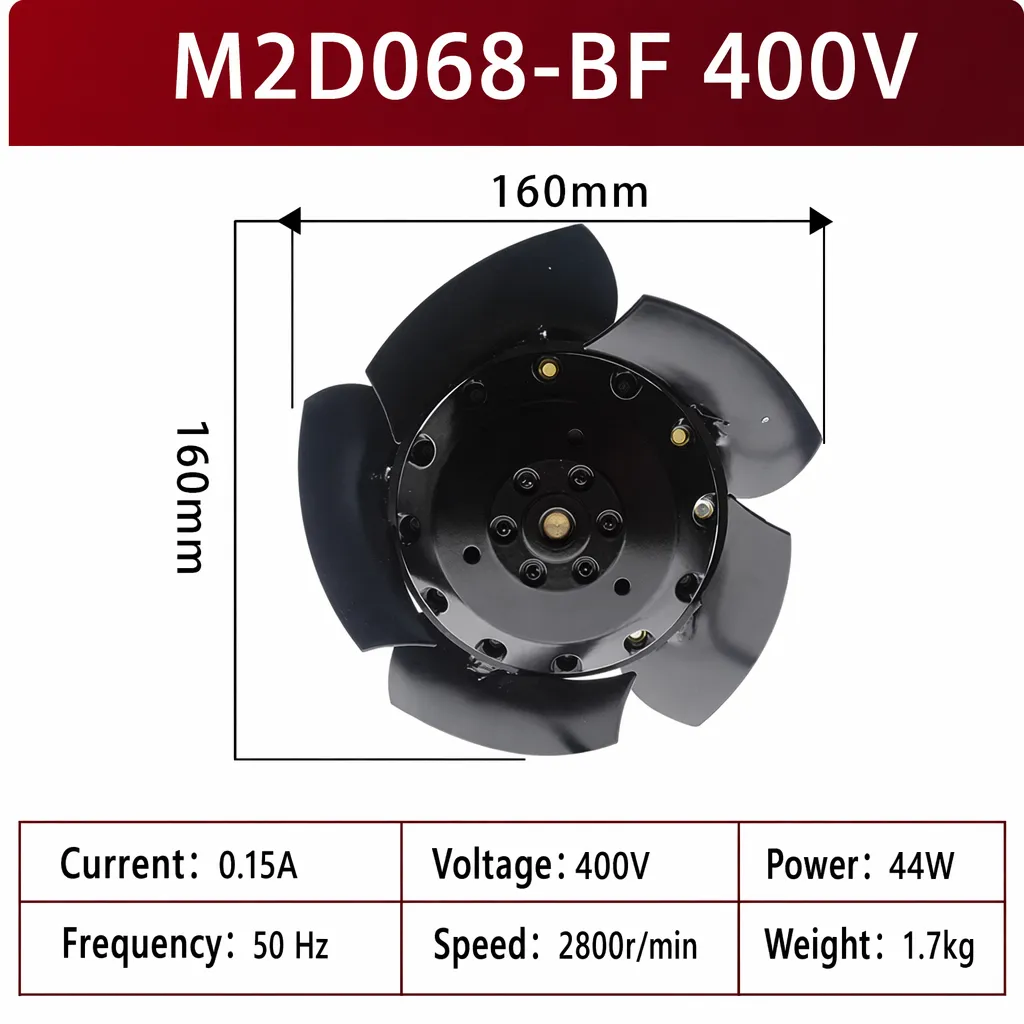
Choosing a small cooling fan begins with the power supply: pick a rated voltage that matches the available bus so the driver does not burn energy in a drop resistor. Check the operating temperature range and place the micro dc motor where ambient heat will not push it past its limit, since overheating forces higher current and more loss. Review efficiency at the expected rpm rather than at peak, because real loads sit inside a band. Request IEC aligned test data and confirm ingress protection such as ip54 for dusty or humid environments. Confirm the unit carries CE and relevant IEC marks before purchase approval, since compliant parts ease customs and site sign-off for global shipments.
Buyers should inspect incoming units for bearing smoothness, winding continuity, and balanced rotation before mass installation. During service, keep air paths clear so the small cooling fan does not strain against blocked airflow, which raises current draw. Watch for rising noise or vibration as early signs of bearing wear, and follow a lubrication schedule tied to the duty cycle. CE and RoHS markings confirm baseline compliance, while mtbf figures guide replacement planning. A short incoming check prevents a bad batch from reaching the field and protects the efficiency designed into the micro dc motor, keeping power consumption low across the installed base.
Low power consumption in a small cooling fan arises from coordinated design choices: coreless or copper winding, precise bearings, tight air gaps, and matched driver electronics. Micro dc motors that apply these methods hold airflow while drawing less current, lowering heat and operating cost for B2B buyers who specify carefully and maintain on schedule.
What design choices make a small cooling fan draw less power than older units? Micro dc motors consume less power because coreless armatures and copper windings cut internal losses, while electronic commutation aligns current with rotor position. Precision bearings reduce friction, and matched drivers scale speed through pwm instead of wasting energy as heat. Together these choices let a small cooling fan deliver airflow near its rated point without oversizing the motor or the driver. The savings add up across a large installed fleet.
Why does coreless winding improve efficiency in a small cooling fan? A coreless armature removes the iron core, eliminating iron losses that turn input power into heat. The lighter rotor needs less current to accelerate and holds speed with less drag. Placing the winding close to the magnetic field raises torque per watt, so the fan moves more air per unit of energy. This efficiency gain matters most in fans that run for long, continuous duty cycles where heat and current draw stay constant.
How should buyers match voltage to keep energy use low? Buyers should select a rated voltage that matches the available supply bus, so the driver does not burn energy in a drop resistor. Confirm efficiency at the expected rpm rather than at peak, because real loads sit inside a band. Review IEC aligned test data and check the operating temperature range. A motor pushed past its thermal limit draws more current, which raises loss and shortens service life. Proper thermal management protects efficiency.
Can a brushless design reduce heat in continuous-duty fans? A brushless design reduces heat by replacing mechanical commutation with electronic switching timed by hall sensors. Current follows the rotor field instead of fighting it, which lowers copper and switching losses. Less internal heat means the fan holds airflow without extra cooling effort, and the absence of brushes removes a wear point. For continuous duty, this keeps surface temperature and energy draw steady across the service life.
Where are precision bearings most important for power savings? Precision bearings matter most in fans that run without pause, such as cabinet ventilation and portable medical equipment. Low-friction bearings cut the torque needed to spin the rotor, so more input power becomes airflow rather than heat. In dusty or humid sites, sealed bearings keep friction low over time. Protecting the bearing from wear preserves the efficiency built into the motor and prevents creeping power draw during long service.

2026/09/30
Cement cabinets choke on dust. Learn the filter rule for an industrial cabinet cooling fan: G4/F7 media, IP rating, and pre-filter care.

2026/10/07
Right wall-mount height for an industrial axial exhaust fan: room volume, free clearance, brackets, and recirculation control.

2026/10/08
An ec motor fan links to BMS via Modbus, 0-10V and PWM for demand-based cooling, energy scheduling and automatic sensor-driven speed control.

2026/10/06
A radial exhaust fan removes grease, fumes, and odors from food-processing workshops with capture velocity and hygienic washdown design.

2026/10/05
Learn antistatic treatment for industrial cabinet cooling fan in electronics workshops—ESD-safe housing, ionizable plastics, and cleanroom compatibility.

2026/10/04
Discover how a brushless dc servo delivers precise wind speed control for laboratory cooling fans with closed-loop PID feedback and laminar airflow.
