
 EN
EN
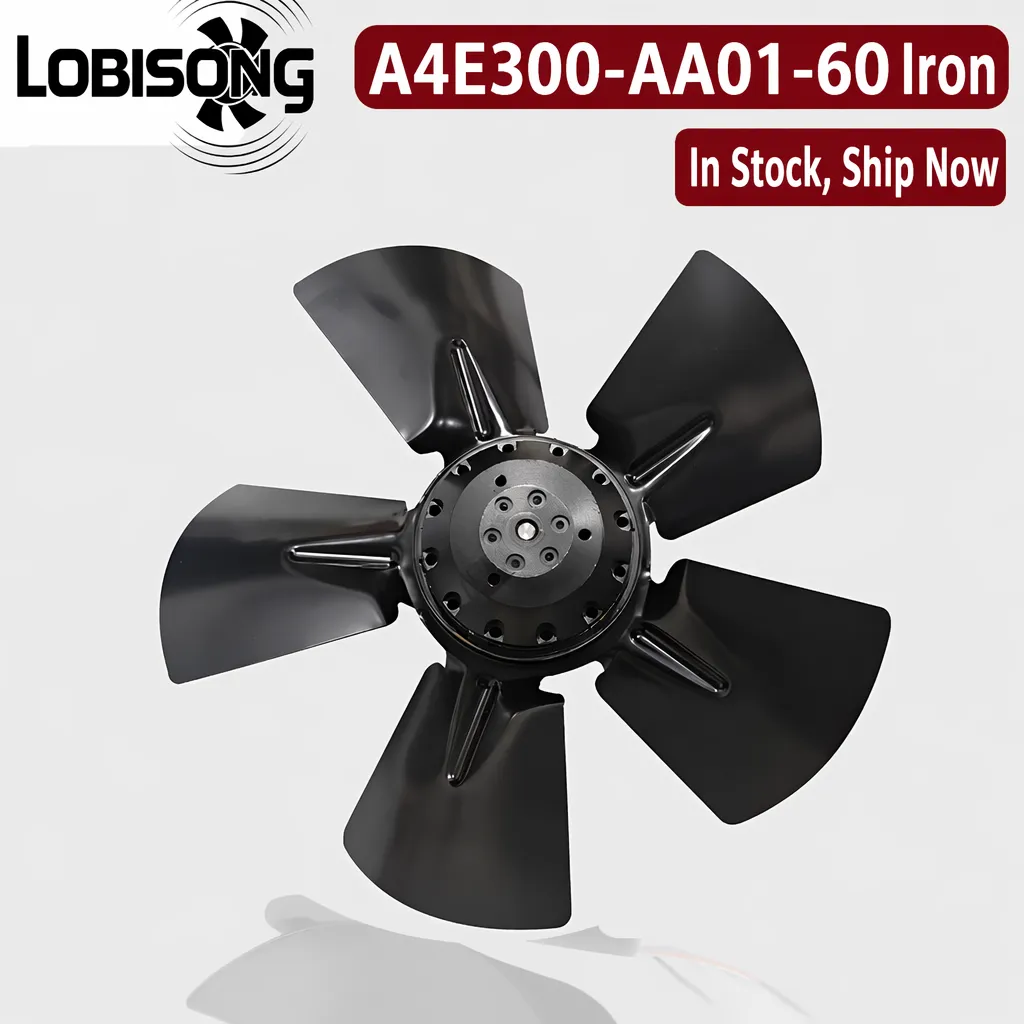
Looking at the acoustic testing standards for cooling components, a common challenge in data center engineering is the variance between datasheet noise specs and actual field performance. When specifying a quiet server room cooling fan, relying solely on a isolated decibel number often leads to noise issues after installation. The acoustic testing environment determines the validity of those ratings. A fan evaluated in an uncalibrated workshop setting will produce drastically different sound levels in practice compared to one certified under ISO 13347 standards.
High-density IT infrastructure presents demanding acoustic challenges. Ambient sound levels around standard server racks commonly fall within the 70 to 80 dBA range, with dense server equipment exceeding 90 dBA under peak load. Specifying cooling components without validating their underlying acoustic performance standards introduces operational risk into data center thermal design.
Essential Acoustic Testing Frameworks
The core international reference for establishing sound power metrics in industrial air-moving equipment is the ISO 13347 standard series. This guideline outlines distinct procedures tailored to specific testing conditions and component setups:
-
ISO 13347-2 details the reverberant chamber method for measuring sound power output under laboratory conditions. By evenly distributing acoustic energy throughout a controlled reverberant space, this approach provides reliable baseline data for components operating inside enclosed or semi-enclosed server cabinets.
-
ISO 13347-4 focuses on in-situ acoustic evaluation, capturing sound levels with the fan mounted in its actual operating orientation. This methodology accounts for physical obstacles, inlet restrictions, and flow perturbations that alter the acoustic signature of a quiet server room cooling fan installed within tight server enclosures.
For compact air-moving components, precision anechoic chamber testing under ISO 3745 provides the benchmark for low-noise product certification. Modern low noise EC fans and drives designed for high-density rack cooling rely on these reflection-free chamber environments to back up low-decibel claims. Selecting low noise EC fans and drives tested strictly under ISO 3745 ensures that published specifications reflect true product performance rather than uncalibrated laboratory setups.
Environmental Requirements for Acoustic Testing
International standards enforce strict ambient conditions to ensure measurement integrity. A compliant test environment requires far more than placing a sound level meter near an active cooling unit.
Under ISO 3745, anechoic test chambers must eliminate room reflections across the entire operational frequency band (typically 100 Hz to 10 kHz). A critical factor is the ambient sound threshold: background noise within the chamber must sit at least 6 dB—and ideally 15 dB—below the operating level of the test sample. If background noise falls within 6 dB of the device, the measurements become invalid due to external acoustic interference.
Similarly, ISO 13347-2 specifies strict chamber dimensions, target reverberation times, and spatial averaging protocols. These parameters isolate the intrinsic acoustic output of the quiet server room cooling fan from room-induced resonance or standing waves.
Datasheets based on unverified testing environments present serious risks to server room noise management. Without controlled ambient thresholds and standardized mounting conditions, published noise ratings remain unreliable.
Sound Power Level vs Sound Pressure Level
A common pitfall in thermal component specification is confusing Sound Power Level (LW, measured in dB re 1 pW) with Sound Pressure Level (LP, measured in dB or dBA at a specified distance). While ISO 13347 emphasizes sound power as an inherent physical attribute of the source, sound pressure varies depending on distance, room reflections, and ambient absorption.
Evaluating a quiet server room cooling fan based only on sound pressure at one meter—without knowing the exact test environment—makes direct product comparison nearly impossible. A fan yielding low sound pressure in an anechoic room will produce much higher pressure levels inside a steel server rack or a concrete server facility. Sound power (LW) provides an environment-independent metric, making it the proper baseline for component comparisons.
When comparing low noise EC fans and drives, engineering teams should always request LW values tied directly to recognized standards. This practice eliminates guesswork and prevents acoustic surprises after system deployment.
Practical Deployment Case: High-Density Edge Data Center
To see how this works in practice, consider a recent retrofit project involving a regional financial data center. The facilities team installed high-CFM replacement fans rated at a nominal 62 dBA based on manufacturer datasheets that lacked testing documentation. Once installed across 40 server racks, room noise spiked past 84 dBA due to near-field structural reflection and unexpected motor harmonic noise.
After swapping these components for ISO 13347-4 certified low noise EC fans and drives engineered with optimized acoustic impellers and speed control, total ambient room noise dropped by 11 dBA. The audited LW ratings provided an accurate baseline that translated directly to field performance.
Key Technical Parameters for Fan Selection
-
Acoustic Certification: Fully compliant with ISO 13347-2, ISO 13347-4, and ISO 3745.
-
Motor Efficiency: Brushless EC motor architecture with up to 85% driver efficiency.
-
Airflow Capacity: Scalable options ranging from 150 CFM to 1,200+ CFM per module.
-
Input Voltage: Standard 24V/48V DC or 115V/230V AC options with PWM speed control.
-
Operating Noise Floor: Verified Sound Power Level (LW) starting below 58 dBA at full operational load.
Best Practices for Selecting Thermal Components
Selecting a quiet server room cooling fan with certified compliance to ISO 13347-2, ISO 13347-4, or ISO 3745 ensures dependable integration into larger thermal and acoustic management plans. To verify vendor claims, review these criteria before finalizing specifications:
-
Does the product documentation clearly reference an established ISO or IEC testing standard?
-
Is the acoustic metric reported as absolute Sound Power Level (LW) or Sound Pressure Level (LP)? If LP is listed, is the measurement distance clearly defined?
-
Was the noise level recorded at maximum operating speed or reduced test speeds?
-
Are inlet and outlet ducting configurations documented to reflect real-world airflow conditions?
An acoustic performance claim should always be backed by detailed test documentation. Component manufacturers with robust supply chain networks and precision manufacturing capabilities regularly supply full test reports alongside their standard product lines.
Evaluating the noise output of cooling hardware requires examining the test standards behind the numbers. The ISO 13347 standard, combined with ISO 3745 chamber guidelines, offers an auditable framework for comparing thermal management products. Requesting standardized test data allows procurement teams to make informed decisions, protecting critical IT infrastructure from unexpected noise issues.
Leading thermal solution providers maintain high-precision production lines and rigorous acoustic testing facilities to guarantee that every quiet server room cooling fan and low noise EC fans and drives assembly meets strict acoustic performance requirements. Specialized manufacturing capabilities and comprehensive supply chain solutions enable modern engineering brands like Lobisong to supply fully certified, high-reliability cooling systems for demanding industrial and data center applications worldwide.






