 EN
EN
What filter matching rule for dust proof cabinet cooling fan operating in cement factories
2026/09/30
Cement cabinets choke on dust. Learn the filter rule for an industrial cabinet cooling fan: G4/F7 media, IP rating, and pre-filter care.

2026/09/15
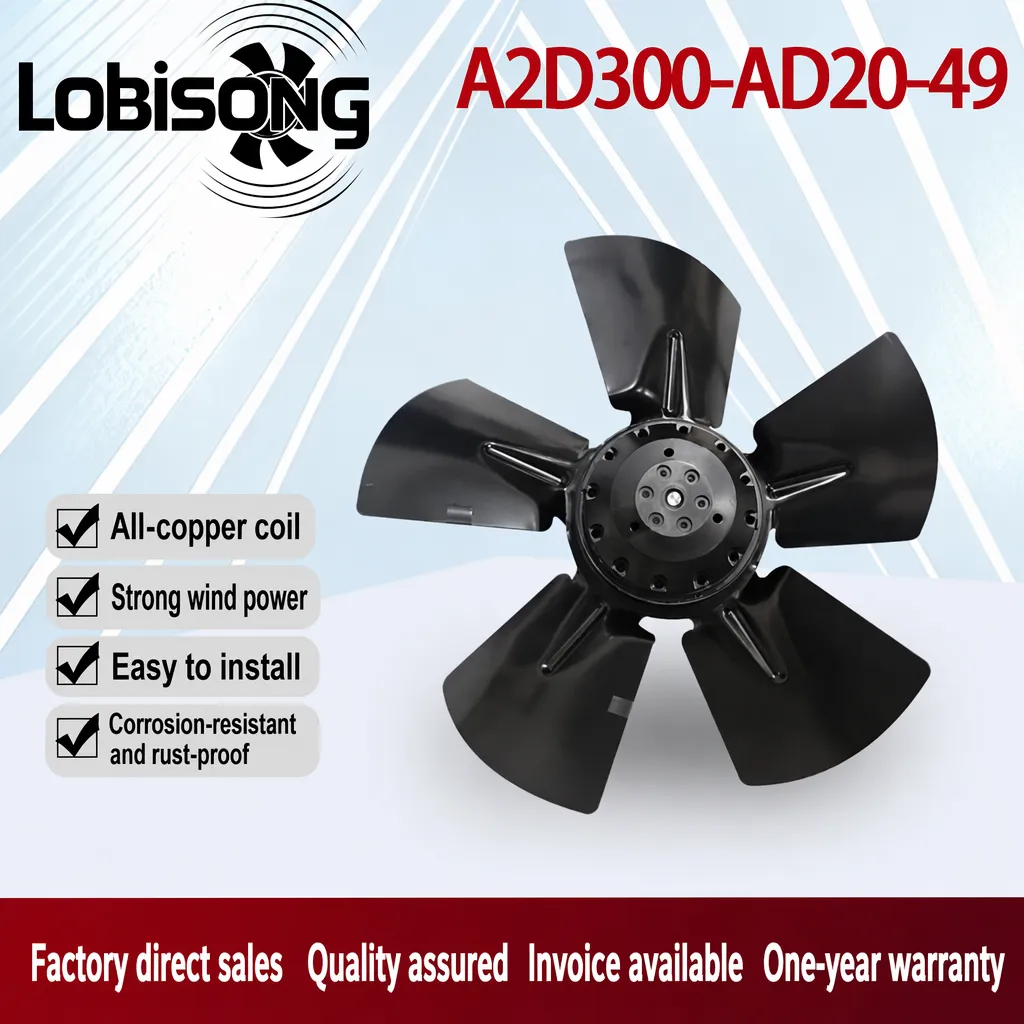
Selecting the right rack mount cooling fans starts long before a purchase order is signed. Procurement teams often focus on price alone, then discover the installed units cannot move enough air through a packed 42U cabinet. A comparison built on measurable indicators prevents that expensive mistake. Airflow, pressure, acoustics, sealing and mechanical reliability each tell a different part of the story, and none should be read in isolation when the load is mission critical.
CFM, or cubic feet per minute, describes the volume of air a unit pushes with no obstruction. That free-air number rarely matches real cabinet conditions, where filters, blanking panels and cable management arms add resistance. Buyers should request the fan curve rather than a single peak figure. When rack mount cooling fans are specified against the actual pressure drop of the enclosure, the delivered airflow stays inside the safe thermal window. Undersizing here is the most common cause of hotspot throttling and unexpected thermal trips.
Static pressure, measured in mmH2O or Pa, shows how strongly a fan fights back-pressure. A dense server rack with closely spaced switches behaves like a restricted duct. Axial models lose output quickly as resistance climbs, while centrifugal impellers hold their curve better. Reading the pressure-flow intersection on the datasheet reveals whether the chosen unit survives a half-blocked inlet. Specifying for worst-case blockage protects equipment during filter loading and keeps the ventilation path effective under real duty.
Specifying rack mount cooling fans without checking bearing grade risks early failure. Bearing choice drives service life more than any headline speed. Dual-ball bearings tolerate heat and any mounting angle, suiting always-on racks. Sleeve and fluid-dynamic types run quieter at low load but age faster in warm rooms. Precision ball elements, the kind built into automated production lines, keep balance stable across thousands of hours. Match the bearing grade to expected duty cycle, not to the catalog photo or a showroom demo.
Noise, quoted in dBA, decides where a cabinet may sit. An open office or broadcast booth tolerates far less than a sealed machine room. Published dBA is usually taken at one meter; real rack density raises perceived level. Compare like-for-like measurement distance and fan speed, since a curve at full rpm hides the quiet mid-range. Acoustic comfort also protects staff who service the cabinet, a point often missed during fast procurement when the only column reviewed is peak airflow.
Choosing rack mount cooling fans for a humid site demands attention to seals. IP rating sets the ingress protection against solids and water. A control room may need only IP20, while a workshop corner demands IP44 or IP54 to keep conductive dust off the stator and windings. Seals, gaskets and coated rotor housings extend life where humidity rides high. Confirm the certificate covers the exact model, not a sister series. Skipping this check shortens motor life and invites avoidable downtime during peak season.
Vibration travels through the frame and loosens connectors over time. Factory blade-balancing, part of automated assembly at established manufacturers, keeps the rotor centered. A balanced impeller also lowers bearing wear and audible hum. Ask whether each unit is balanced individually or only by batch. Smaller vibration footprints let racks sit closer to sensitive instruments without coupling noise into measurements. The result is steadier operation and a lower chance of intermittent faults traced back to a loose cable. A simple exhaust temperature log exposes imbalance long before it turns into a hard fault that forces an unplanned shutdown.
Standard rack mount cooling fans rarely fit a 1U slot without compromise. Physical size decides fit. A 1U slot leaves only 25 mm of height, forcing a slim axial; a 4U bay accepts a deeper centrifugal pack. Measure the tray, the screw pitch and the airflow path before ordering. Non-standard cabinets from OEM projects sometimes need a custom frame. Confirm depth does not block the rear cable bundle, or cooling air simply recirculates and defeats the install. A quick cardboard mock-up saves a costly return later.
Power draw in watts sets load on the cabinet supply and any backup, so pair it with delivered airflow to judge true efficiency. Leave headroom for summer peaks and aging filters. CE and UKCA marks confirm basic electrical safety for European and UK shipments; request the declaration for the exact model and rated condition. Reputable manufacturers provide pre-design selection advice, and OEM or ODM options cover non-standard cutouts and connectors. A documented selection trail smooths later audits and keeps the procurement record clean for inspectors.
Buying well means weighing every indicator, not chasing a single headline number. Airflow and static pressure define whether heat leaves the cabinet, while dBA and IP rating decide where the unit may safely run. Bearing type, size and certification confirm it will survive the duty. Practiced buyers shortlist rack mount cooling fans against this full checklist, then validate with the supplier's fan curve and a real enclosure mock-up before committing volume orders.
What static pressure value suits a fully loaded 42U rack?
Answer: A densely populated 42U cabinet with blanking panels and cable arms can demand 5 to 15 mmH2O of static pressure at the fan. Read the intersection where the fan curve meets that resistance, then add margin for filter loading. Under-speccing pressure leaves the top switches starved of air. Ask the supplier for a tested curve at the planned blockage, not a free-air claim, and confirm the figure holds as dust builds on the inlet screen.
Why does dBA noise rating matter beyond comfort?
Answer: Acoustic level shapes where a cabinet may be placed and how often staff can service it. A high dBA unit forced into an open office breaks workplace limits and distracts operators. Comparing measurements at the same distance and speed reveals the true spread between models. Quiet running also signals smooth bearing and impeller balance. Choosing the right dBA protects both equipment access and the people who maintain the room during daily checks and upgrades.
How should bearing type guide the final choice?
Answer: Bearing type sets real service life under heat and orientation. Dual-ball units handle any mounting angle and higher temperature, fitting always-on racks. Sleeve designs stay quiet but wear faster in warm, 24/7 duty. Match the grade to the duty cycle rather than the sticker speed. Requesting the rated life at expected temperature gives a fairer view than a showroom demo, and reduces surprise failures that disrupt a live network cabinet during business hours.
Can a wrong IP rating cause early motor failure?
Answer: Yes. A low IP rating in a dusty or humid site lets conductive particles reach the stator and windings, shortening motor life. Control rooms may accept IP20, while workshop corners need IP44 or IP54 with sealed gaskets. Confirm the certificate matches the exact model, not a look-alike series. Skipping this step invites avoidable downtime and thermal trips that a correct seal would have prevented, especially where humidity rises near process equipment.
Which documents confirm a safe procurement decision?
Answer: Request the CE or UKCA declaration for the exact model and rated condition, plus the supplier's fan curve and bearing life data. Reputable makers such as Lobisong provide pre-design selection advice so rack mount cooling fans match the cabinet before volume orders. A shortlist backed by measured curves, not catalog headlines, protects the project from thermal and acoustic surprises after installation and keeps the audit trail complete for reviewers.

2026/09/30
Cement cabinets choke on dust. Learn the filter rule for an industrial cabinet cooling fan: G4/F7 media, IP rating, and pre-filter care.

2026/10/07
Right wall-mount height for an industrial axial exhaust fan: room volume, free clearance, brackets, and recirculation control.

2026/10/08
An ec motor fan links to BMS via Modbus, 0-10V and PWM for demand-based cooling, energy scheduling and automatic sensor-driven speed control.

2026/10/06
A radial exhaust fan removes grease, fumes, and odors from food-processing workshops with capture velocity and hygienic washdown design.

2026/10/05
Learn antistatic treatment for industrial cabinet cooling fan in electronics workshops—ESD-safe housing, ionizable plastics, and cleanroom compatibility.

2026/10/04
Discover how a brushless dc servo delivers precise wind speed control for laboratory cooling fans with closed-loop PID feedback and laminar airflow.
