 EN
EN
What filter matching rule for dust proof cabinet cooling fan operating in cement factories
2026/09/30
Cement cabinets choke on dust. Learn the filter rule for an industrial cabinet cooling fan: G4/F7 media, IP rating, and pre-filter care.

2026/09/07
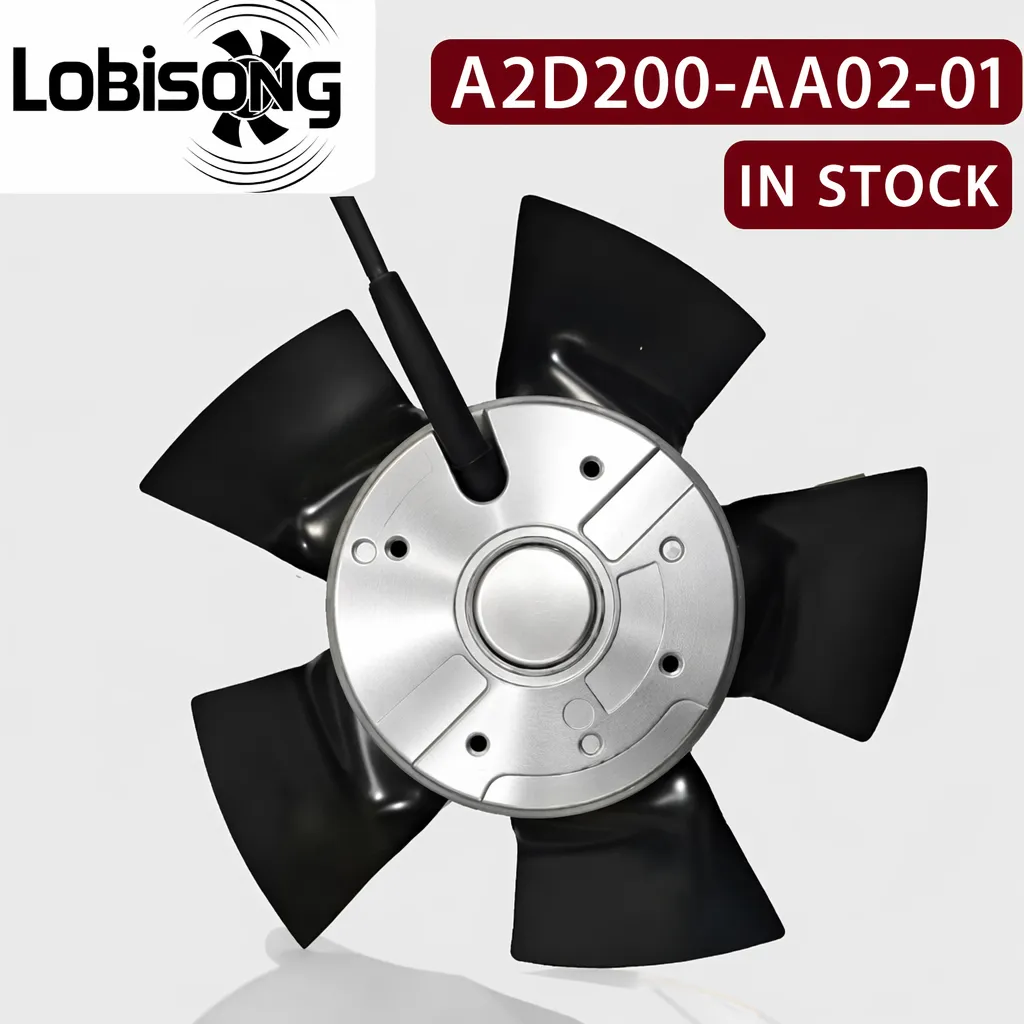
A ventilation upgrade at a metal-stamping plant showed the clear value of a brushless pmdc motor for continuous duty. The site ran wall-mounted exhaust fans on a brushed permanent magnet DC motor that drew heavy current and ran hot during summer shifts. After replacing the drives with a low power DC motor built on electronic commutation, cabinet temperatures fell and the power draw dropped without changing the airflow target. The change deserves a closer look for any facility weighing energy cost against cooling reliability.
The brushless pmdc motor first entered the conversation after a maintenance lead logged repeated trips on a 230 V exhaust bank. A conventional brushed drive relies on a mechanical commutator and carbon brushes to switch current through the copper windings. Each contact point creates friction, sparking, and a steady loss that grows with speed. The rotor heated the surrounding air, and the fan laboured to hold setpoint on hot afternoons. Heat generation inside the motor also shortened bearing life and pushed the enclosure closer to its thermal limit.
The team tested a brushless pmdc motor that moves the switching function to the controller. Instead of brushes, a set of Hall sensor devices reads rotor position and the driver applies electronic commutation to the stator coils in sequence. The fan accelerated smoothly from a low DC voltage and held torque across the speed band. Within two weeks the cabinet ran several degrees cooler and the same airflow needed measurably less input power, confirming the energy saving on the utility meter.
A brushless pmdc motor keeps the permanent magnet on the rotor and places the copper windings on the stationary stator. The controller feeds current in timed steps, so the magnetic field drags the rotor around without physical contact. Removing the commutator eliminates brush friction and the associated electrical noise. PWM control trims the effective DC voltage to match the load, so the motor spends most of its time near its peak efficiency point rather than idling wastefully.
A brushless pmdc motor also tolerates a wider speed range, so a single low power DC motor can replace a fixed-speed unit that once ran flat out. With no brush arc and a cooler rotor, resistive loss in the copper windings falls. Less heat generation means the fan needs less secondary cooling, which compounds the saving. A brushless design therefore runs a quieter cabinet, steadier temperature, and a smaller draw on the plant supply while holding the same airflow. At partial load the PWM drive holds the DC voltage low, so the motor avoids the overspeed waste that fixed drives accept by default. That steady part-load behaviour is where most plants recover the payback, because ventilation rarely runs at full demand for long.
Moving to a brushless pmdc motor is not risk-free. A poorly sized driver can overheat, and an unstable DC voltage supply can trip protection. In a VFD cabinet the motor shares space with converters that shed their own heat, so airflow must be planned, not assumed. Mis-wired commutation leads to a stalled rotor and a hot stator. These risks are manageable with correct selection, firm mounting, and a thermal overload path sized to the application.
Compliance keeps the saving from becoming a liability. A brushless pmdc motor and its controller are covered by UL 1004, while rotating machines fall under IEC 60034. IP protection for the enclosure follows IEC 60529. Industrial machinery wiring aligns with NFPA 79, and the broader supply with NFPA 70 (NEC) and ANSI C84.1 voltage ratings. Workplace safety traces to OSHA 29 CFR 1910, and machinery electrical safety to EN 60204-1. A documented ISO 9001 process supports consistent build quality.
Specify the brushless pmdc motor duty cycle, the available DC voltage, and the required torque at the worst-case pressure. Confirm the ingress rating against the environment and verify that the driver supports the chosen PWM frequency. Request CAD drawings and parameter sheets, and check that the copper windings are pure copper with rated ball bearings. A brushless design from a full-chain manufacturer with CE or CCC documentation reduces surprises during commissioning and audit. Match the filter class to the dust load so the pressure drop stays inside the motor envelope. A clear specification sheet also shortens lead time and helps the audit trail stay complete from quote to commissioning.
A brushless pmdc motor needs far less hands-on service than a brushed unit, but it is not fit-and-forget. Keep the filter clean so the rotor sees cool intake air, and watch the Hall sensor signal during periodic checks. Log current draw; a slow rise often flags a clogged path before failure. Pair the fan with a stable DC voltage supply and revisit the setpoint each season so efficiency stays where it was commissioned.
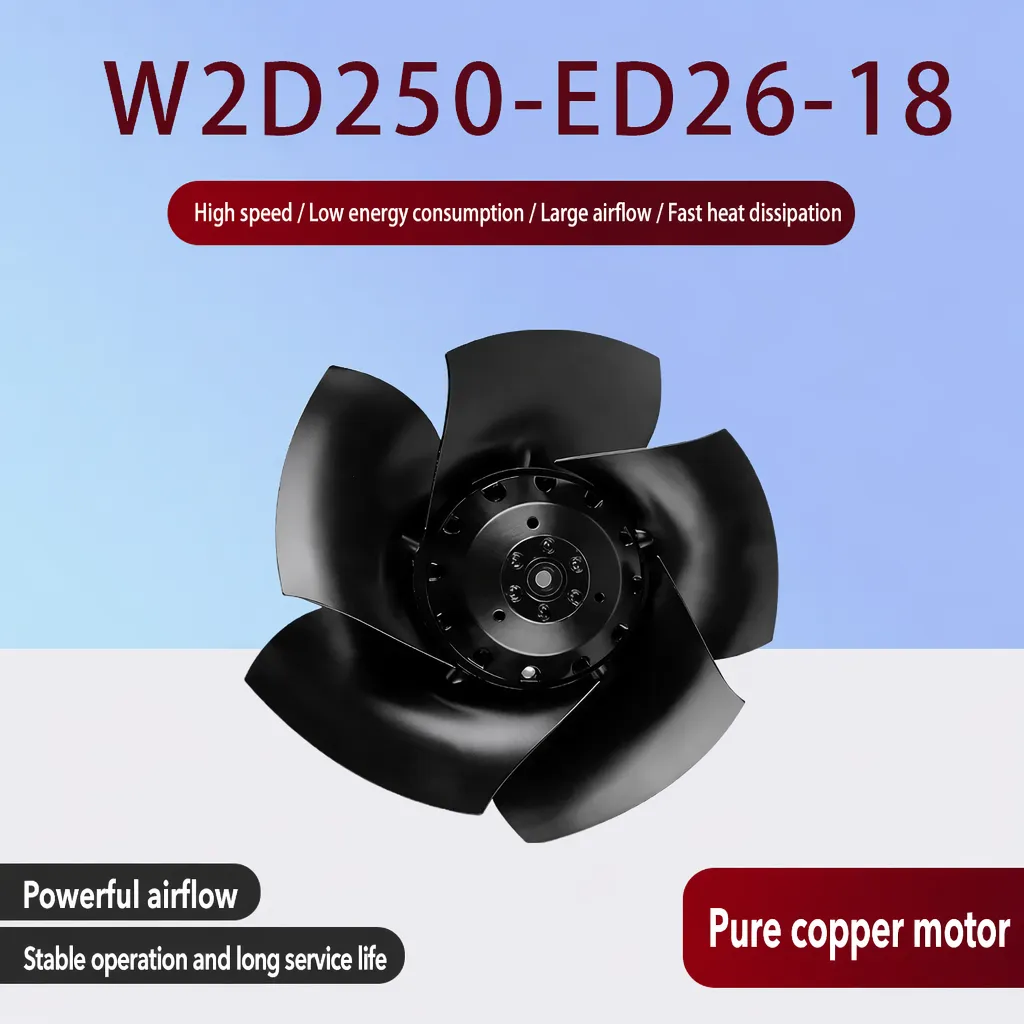
A brushless pmdc motor turns the weakest link of a brushed drive — the commutator and its losses — into a software-controlled strength. By moving switching to electronic commutation and keeping the permanent magnet on the rotor, the system cuts heat generation, lifts efficiency, and delivers the same airflow for less power. The metal-stamping case, backed by IEC 60034 and NFPA 79 discipline, shows that a brushless design is a practical path to measurable energy saving in industrial ventilation.
Question: What defines a brushless DC motor and how does it differ from a brushed unit? Answer: A brushless DC motor places permanent magnets on the rotor and copper windings on the stator, with electronic commutation handled by a controller instead of carbon brushes. Removing the mechanical commutator eliminates friction and sparking. This lowers heat generation and raises efficiency. The driver reads rotor position through a Hall sensor and switches current to the correct coil at the right moment.
Question: Why does a brushless design reduce energy consumption in ventilation? Answer: A brushless design cuts the resistive and friction losses seen in brushed drives. Electronic commutation and PWM control let the motor track the load with a stable DC voltage, so it runs near its peak efficiency point. Less heat generation means less secondary cooling. The fan therefore delivers the same airflow with a lower power draw, which shows up directly on the utility meter.
Question: How should a buyer inspect a low power DC motor before purchase? Answer: Confirm the rated DC voltage, torque, and duty cycle against the application. Ask for pure copper windings, rated ball bearings, and ingress protection suited to the site. Request CAD drawings, parameter sheets, and compliance documents such as CE, CCC, or UL 1004. A supplier with a documented ISO 9001 process and in-house manufacturing gives more consistent quality than an unspecified source.
Question: Can a brushless pmdc motor share a cabinet with VFD converters safely? Answer: Yes, provided the airflow and thermal budget are planned. The unit sheds less heat than a brushed drive, but the cabinet still hosts converters that generate warmth. Size the driver correctly, mount it firmly, and keep a thermal overload path. Follow NFPA 79 and EN 60204-1 for wiring, and verify the DC voltage supply stays within the rated range.
Question: Where does routine maintenance focus on a brushless DC motor fan? Answer: Maintenance centres on the air path and the controller rather than brushes. Keep the filter clean so the rotor receives cool intake air, and check the Hall sensor signal during scheduled visits. Log current draw to spot a clogged path early. Maintain a stable DC voltage supply and review the setpoint each season so the brushless DC motor keeps its commissioned efficiency.

2026/09/30
Cement cabinets choke on dust. Learn the filter rule for an industrial cabinet cooling fan: G4/F7 media, IP rating, and pre-filter care.

2026/10/07
Right wall-mount height for an industrial axial exhaust fan: room volume, free clearance, brackets, and recirculation control.

2026/10/08
An ec motor fan links to BMS via Modbus, 0-10V and PWM for demand-based cooling, energy scheduling and automatic sensor-driven speed control.

2026/10/06
A radial exhaust fan removes grease, fumes, and odors from food-processing workshops with capture velocity and hygienic washdown design.

2026/10/05
Learn antistatic treatment for industrial cabinet cooling fan in electronics workshops—ESD-safe housing, ionizable plastics, and cleanroom compatibility.

2026/10/04
Discover how a brushless dc servo delivers precise wind speed control for laboratory cooling fans with closed-loop PID feedback and laminar airflow.
