
 EN
EN
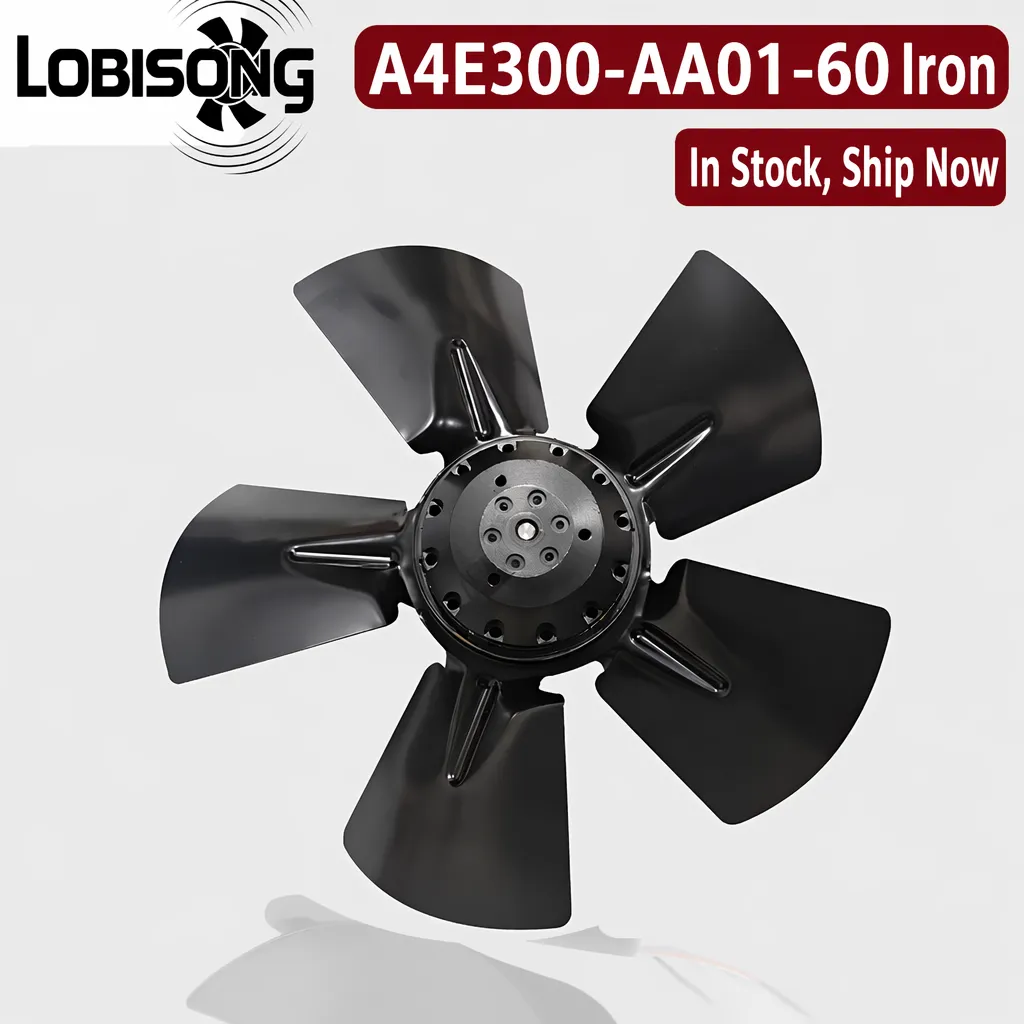
Managing temperature on an active construction site poses serious operational challenges. Unlike permanent factories with installed HVAC networks, building sites are constantly changing work environments. Crews move from room to room, temporary power depends on generators, and job duration spans only a few months. Installing permanent air conditioning units is impractical and expensive. That is why relying on an industrial portable cooling fan offers a practical solution to keep job sites safe and comfortable.
Mobile cooling units deliver strong airflow right where work happens, eliminating structural overhead while keeping workers safe from heat stress.
Working Conditions on Modern Job Sites
High summer heat on job sites creates serious health hazards, including heat exhaustion, reduced concentration, and increased safety risks. Construction work zones present several distinct challenges:
-
Shifting Work Zones: Tasks move constantly from outdoor concrete pours to enclosed interior framing, rendering stationary ventilation useless.
-
Aggressive Thermal Radiation: Exposed steel frames and sun-baked concrete radiate absorbed heat, creating hot microclimates well above ambient air temperatures.
-
Dust and Fine Debris: Concrete grinding, drywall sanding, and cutting operations flood the air with abrasive dust that can quickly destroy standard motor assemblies.
-
Limited Utilities: Work zones often rely on temporary generators with fluctuating voltage, which can cause low-quality motor drives to overheat or fail.
Relying solely on natural breezes or light commercial office fans cannot maintain safe working conditions. Boosting air velocity across worker skin speeds up evaporative cooling, lowering body temperatures even in high ambient heat.
Engineering Features of Portable Industrial Ventilation
An industrial portable cooling fan is built for harsh outdoor work environments, featuring heavy-duty components designed for maximum durability and performance:
-
High-Protection Enclosures: Sealing motor housings to IP54 or IP65 standards prevents dust and moisture from entering internal windings and bearing races.
-
Impact-Resistant Housings: Reinforced steel casing and thick wire grilles shield internal impellers from accidental drops, knocks, and job site impacts.
-
High-Torque Drive Systems: Premium motor drives maintain continuous air velocity without overheating, even during long shifts under direct sunlight.
-
Flexible Transport Options: Heavy-duty rubber wheels, ergonomic push handles, and balanced bases allow a single operator to move the fan across uneven gravel or site debris.
Deploying a rugged outdoor cooling fan creates a high-velocity airflow barrier that disperses heat buildup and clears light dust from immediate work areas.
Job Site Case Study: High-Rise Structural Concrete Pour
During a summer high-rise commercial build, an active deck crew faced ambient temperatures exceeding 38°C on exposed concrete slabs. Radiant heat off rebar grids caused early fatigue, slowing pour cycles and risking heat-related illness.
Project managers introduced a fleet of heavy-duty units across active pour zones. The team deployed multiple construction site portable outdoor cooling fan systems directly behind finishing crews, running them off portable diesel generators.
Continuous high-velocity airflow lowered heat strain on workers, allowing the concrete placement team to finish their shifts safely without thermal delays or health incidents.
Key Technical Parameters for Field Selection
-
Airflow Capacity: Scalable options generating 3,500 CFM to over 12,000 CFM depending on area size.
-
Ingress Protection: IP54 minimum for dusty interior framing; IP65 rated for direct weather and rainfall exposure.
-
Power Supply Flexibility: Dual-voltage options supporting 110V/120V AC and 220V/240V AC with a wide 10% voltage tolerance range for stable generator operation.
-
Noise Rating: Low acoustic output below 68 dBA at 3 meters to maintain clear voice communications across active job sites.
-
Impeller Design: Dynamically balanced aluminum alloy or steel blades designed for high static pressure generation.
Matching Equipment to Site Requirements
Selecting the right industrial portable cooling fan involves matching performance specs with real-world job site layout requirements:
-
Small Interior Rooms: Compact 3,000 CFM to 4,500 CFM units provide targeted air turnover for electrical or plumbing installation crews.
-
Large Open Decks: Heavy-duty 36-inch or 42-inch drum fans delivering 9,000+ CFM cover expansive concrete slabs or open structural bays.
-
Confined Work Spaces: High-static utility blowers paired with flexible ducting pull fresh outdoor air into underground utility shafts or windowless basements.
Evaluating power access, expected debris levels, and site mobility helps contractors select reliable air movement setups that keep projects running smoothly on schedule.
Conclusion
Managing summer heat on active construction sites requires flexible, heavy-duty cooling equipment that can move with the job. An industrial portable cooling fan offers high mobility, strong weather protection, and high-velocity airflow without complex installation requirements. Choosing high-volume equipment built to withstand dust and impacts protects workforce health and maintains daily productivity.
Leading equipment manufacturers maintain comprehensive production capabilities and reliable global supply chains to deliver rugged site ventilation products. Commercial suppliers like Lobisong produce fully certified industrial portable cooling fan models, high-performance outdoor cooling fan solutions, and heavy-duty construction site portable outdoor cooling fan equipment engineered to withstand demanding job site environments worldwide.






