 EN
EN
What filter matching rule for dust proof cabinet cooling fan operating in cement factories
2026/09/30
Cement cabinets choke on dust. Learn the filter rule for an industrial cabinet cooling fan: G4/F7 media, IP rating, and pre-filter care.

2026/09/17
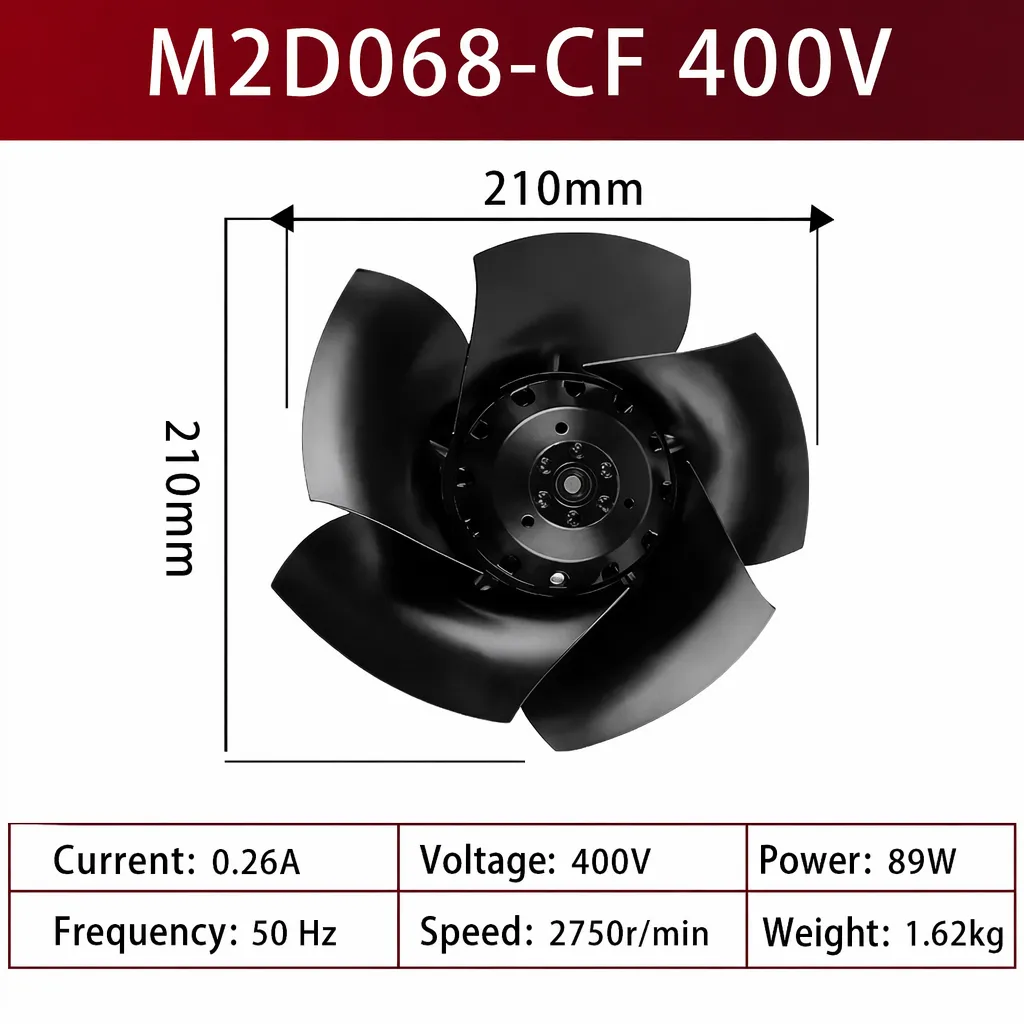
Outdoor telecom and power equipment rooms face dramatic seasonal temperature swings that a fixed-speed fan simply cannot handle well. From scorching summer afternoons to freezing winter nights, the thermal load inside an enclosure shifts by a wide margin. A variable speed axial air mover solves this by adjusting its airflow to the actual heat load instead of running at full power all the time. Understanding that mechanism helps operators cut cost and avoid downtime.
An outdoor equipment room sits fully exposed to weather, so its internal climate follows the seasons more sharply than an indoor space. The two extremes create different but linked risks that a single fixed setting cannot manage.
During summer, solar radiation and internal electronics can drive cabinet temperatures above 50°C. Standard fixed fans run at a constant speed regardless of need, wasting energy when the load is low and falling short during peaks. A variable speed axial air mover reads the real temperature and ramps up only when the heat load demands it, keeping components within their rated range without overspending on power. The result is steady thermal management through the hottest months.
Cold ambient air is not harmless. When a warm, humid cabinet meets freezing outside air, moisture condenses on metal surfaces and circuit boards. That film of water causes corrosion and short circuits. The right response is gentle, continuous air movement that balances internal and external relative humidity rather than a blast of cold air. A variable speed axial air mover holds a low, steady airflow that keeps surfaces above the dew point, which is exactly where adaptive speed control earns its place in winter.
The intelligence behind adaptive cooling comes from a simple closed loop. A temperature sensor measures the enclosure air while a controller decides the fan response, so the system reacts to the real ambient temperature instead of a fixed schedule.
At the heart of the system is a temperature sensor paired with a PID controller. The sensor reports the enclosure air temperature to the controller several times per second. The controller compares the reading against a setpoint and adjusts the fan voltage through PWM. A variable speed axial air mover built on this closed loop keeps the internal climate stable even as the outdoor ambient temperature swings from one season to the next, without manual tuning.
Rather than a binary on-or-off behavior, the unit delivers precisely the airflow the moment requires. On a mild spring day the EC fan may idle at 30 percent duty cycle; during a heat wave it climbs toward full speed. By trimming unnecessary revolutions, the system cuts energy consumption while maintaining adequate heat dissipation and strong energy efficiency. The brushless EC motor also extends service life across seasonal cycles.
Theory is useful, but a field case shows the value most clearly. The example below follows a background, problem, solution, and effect structure drawn from a typical regional deployment.
One regional operator placed an outdoor cabinet beside a highway in a hot inland region. Inside sat a VFD cabinet, a battery bank, and switching gear. Every July the equipment thermally tripped at midday, and in January dew formed on the terminals. Technicians first added a fixed exhaust fan, but it ran loud and still could not prevent winter condensation on the sensitive contacts.
The team replaced the fixed fan with a variable speed axial air mover driven by a temperature sensor and PID controller. In summer the unit automatically raised its duty cycle during peak sun, holding the internal temperature near 35°C. In winter it maintained a low, steady airflow that kept the surface above the dew point, stopping moisture buildup. Over the following year, thermal trips dropped to zero and the cabinet stayed dry through the cold season.
Procurement teams get the most value by specifying against the site's worst case and then keeping the unit in good condition. The advice below follows practical, standards-informed steps.
Buyers should size the unit against the worst-case heat load, not the average. Check the IP54 ingress protection for dusty or rainy sites, confirm the EC fan motor type, and verify CE or UKCA marks for the target market. A variable speed axial air mover rated only for mild conditions will struggle when the ambient temperature reaches seasonal extremes, so match the specification to the site's recorded highs and lows for dependable operation.
Even a well-chosen system needs care. Inspect the airflow path every quarter, clear dust from the inlet filter, and confirm the temperature sensor reading against a reference thermometer. Precision ball bearings should be checked for unusual noise. Following a simple schedule based on ISO quality guidance keeps the thermal management working and extends service life without surprise failures in remote outdoor cabinet locations.
Seasonal temperature swings make fixed cooling both wasteful and risky for outdoor equipment rooms. By linking a temperature sensor and controller to an adaptive unit, operators keep cabinets safe through heat and humidity alike. A variable speed axial air mover delivers the right airflow at the right moment, cutting energy use and preventing condensation without constant manual intervention. That combination of efficiency and reliability explains its growing role in outdoor thermal management.
How does adaptive cooling prevent winter condensation in equipment cabinets?
Answer: Winter condensation forms when warm cabinet air meets cold surfaces and drops below the dew point. A variable speed axial air mover keeps a low, steady airflow that balances internal and external relative humidity, so moisture never settles on terminals. Unlike a fixed fan that blasts cold air, adaptive control holds the surface temperature just above the dew point through the night. This steady movement stops water film from building up on circuit boards and connectors.
Which temperature sensor type suits outdoor cabinets?
Answer: A combined temperature and humidity sensor gives the controller the clearest picture of enclosure climate. Placing the probe away from the fan outlet avoids false readings caused by local airflow. For harsh sites, a sealed sensor with an IP54 housing resists dust and moisture. Calibrating the device against a reference thermometer once per season keeps the PID controller accurate and the cooling response predictable across changing weather.
Can adaptive cooling reduce energy consumption in hot climates?
Answer: Yes. In hot regions the heat load peaks only during midday, yet fixed fans run at full speed all day. Adaptive control lowers the duty cycle during cooler hours and raises it only when needed, trimming wasted revolutions. Field cases show meaningful energy savings without sacrificing component temperature. The EC fan motor also loses less power to heat, so the supply draws less current across the daily cycle and runs quieter.
Which IP rating should an outdoor air mover have?
Answer: For exposed mounts, IP54 is the practical minimum because it blocks most dust and water spray from the motor and electronics. Sites with heavy rain or washdown may need a higher rating. Pair the ingress protection with corrosion-resistant housing and sealed bearings so the unit survives seasonal humidity. Confirming CE or UKCA marks also ensures the product meets regional safety expectations for outdoor electrical equipment.
When should the airflow path be inspected for maintenance?
Answer: Inspect the airflow path every quarter, and add an extra check after storms or dust events. Clear the inlet filter, confirm the temperature sensor reading, and listen for bearing noise that signals wear. A short log of each visit helps track slow changes in performance. Following this simple routine, aligned with ISO quality practice, prevents sudden failures and keeps the cooling system ready for the next seasonal swing.

2026/09/30
Cement cabinets choke on dust. Learn the filter rule for an industrial cabinet cooling fan: G4/F7 media, IP rating, and pre-filter care.

2026/10/07
Right wall-mount height for an industrial axial exhaust fan: room volume, free clearance, brackets, and recirculation control.

2026/10/08
An ec motor fan links to BMS via Modbus, 0-10V and PWM for demand-based cooling, energy scheduling and automatic sensor-driven speed control.

2026/10/06
A radial exhaust fan removes grease, fumes, and odors from food-processing workshops with capture velocity and hygienic washdown design.

2026/10/05
Learn antistatic treatment for industrial cabinet cooling fan in electronics workshops—ESD-safe housing, ionizable plastics, and cleanroom compatibility.

2026/10/04
Discover how a brushless dc servo delivers precise wind speed control for laboratory cooling fans with closed-loop PID feedback and laminar airflow.
