
EN
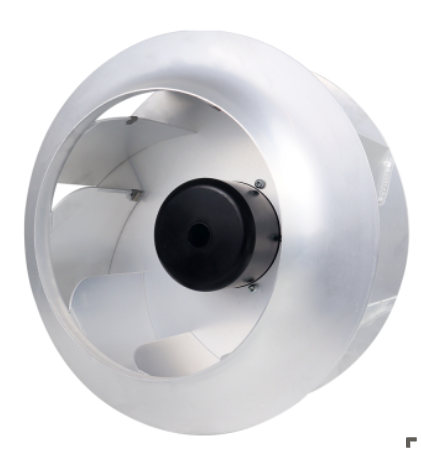
Multi‑Protection Safe Operation – Built‑in stall protection, reverse‑polarity & over‑voltage protection and soft‑start function, the fan avoids damage caused by abnormal working conditions, reducing downtime and total cost of ownership. Multiple electronic protection mechanisms prevent motor burnout caused by blocked impeller, wrong wiring and voltage fluctuation.
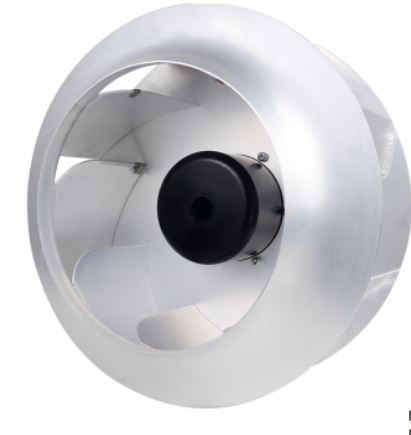
Specially selected motor winding and insulating materials support wide ambient temperature band.
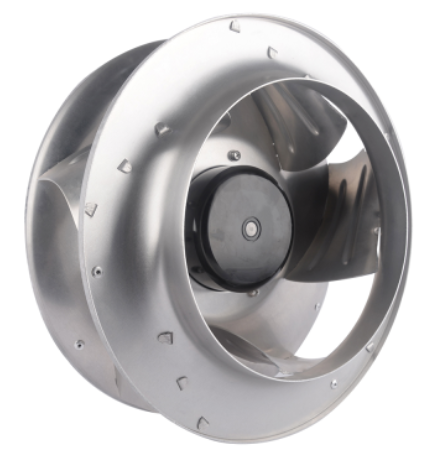
EC Speed‑Regulating Flexibility – Equipped with 0‑10VDC / PWM dual speed control modes, the fan supports wide‑range speed adjustment from 1400RPM up to 3200RPM, the fan can be adapted to varying cooling demands, allowing system designers to balance airflow, power consumption, and noise levels according to specific operating conditions.
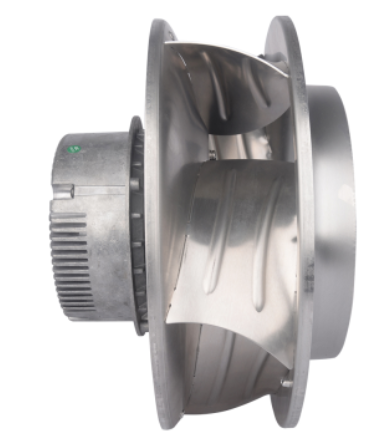
No extra protective housing is required for most general‑industrial installation cases, simplifying equipment structural design and lowering accessory procurement cost for machine manufacturers.
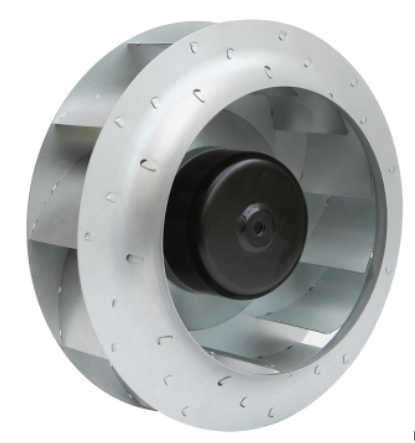
Engineered for high‑resistance ventilation scenarios, this backward‑curved impeller optimizes airflow path to cut down turbulent airflow, which effectively suppresses operating noise even under full‑load working status. Compared with forward‑curved centrifugal fans, it maintains stable air output while lowering overall system noise exposure for surrounding working staff. Both impeller materials resist oxidation and mild corrosive gas, supporting long‑term continuous operation in demanding industrial conditions.
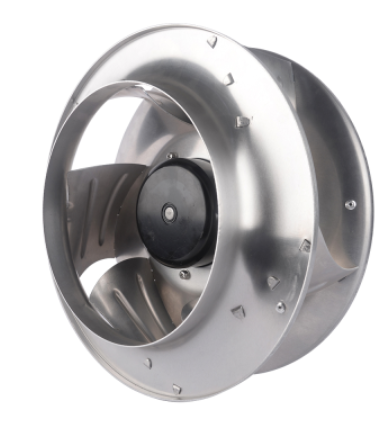
EC Speed‑Regulating Flexibility – Equipped with 0‑10VDC / PWM dual speed control modes, this fan runs at fixed 1900RPM and supports flexible speed modulation to match varying cooling demands, allowing system designers to balance airflow, power consumption, and noise levels according to specific operating conditions.
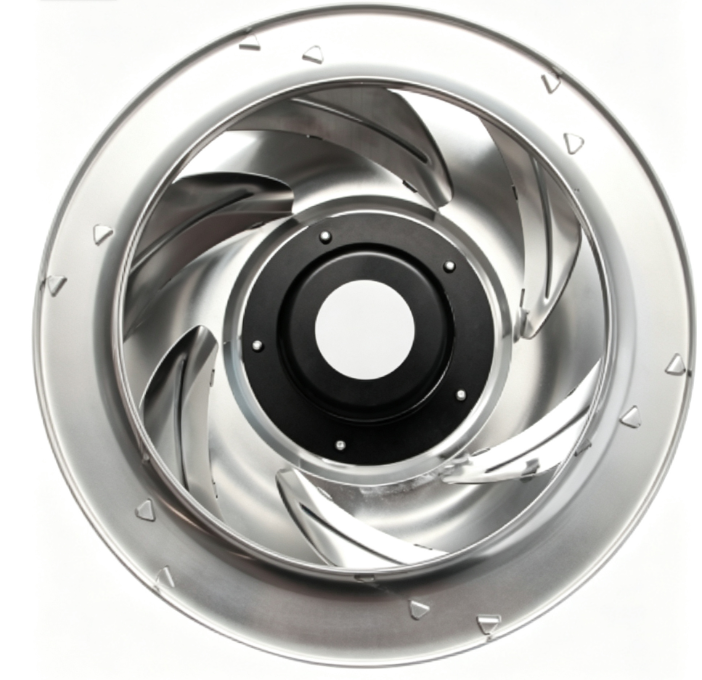
Impeller material options include plastic, aluminum alloy and galvanized steel plate to satisfy diverse working‑condition requirements.
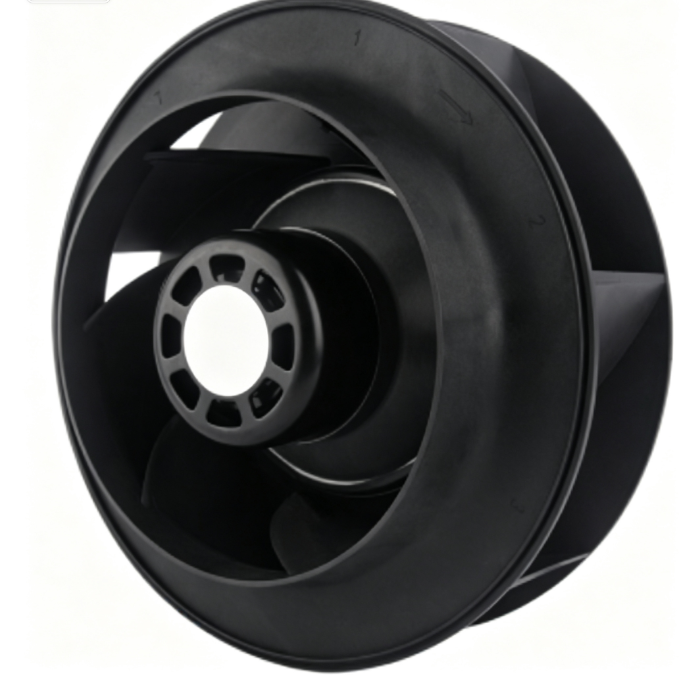
Backward Curved Centrifugal Design – The backward curved plastic impeller delivers high static pressure with relatively low noise, making it ideal for applications requiring airflow against system resistance.
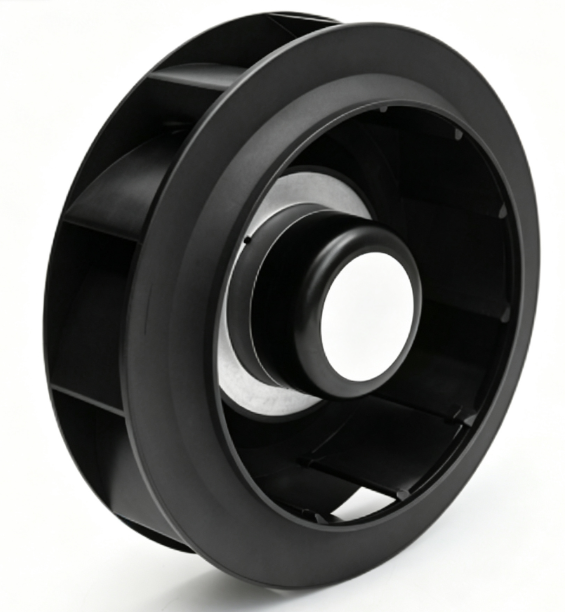
Backward Curved Centrifugal Design – The backward curved plastic impeller delivers high static pressure with relatively low noise, making it ideal for applications requiring airflow against system resistance.
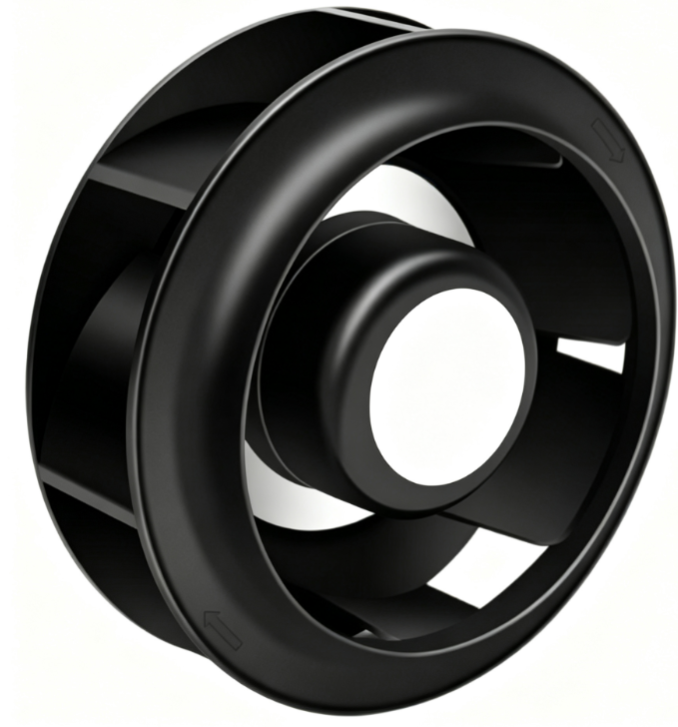
Backward Curved Centrifugal Design – The backward curved plastic impeller delivers high static pressure with relatively low noise, making it ideal for applications requiring airflow against system resistance.
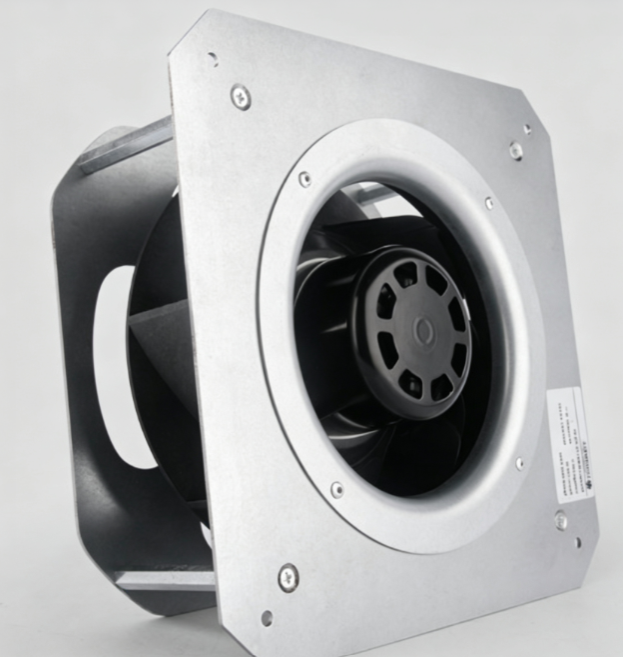
This EC outer‑rotor backward‑curved centrifugal fan operates on 200‑277V AC power supply. Air enters axially into the centre of the PA6+GF plastic impeller. Centrifugal force accelerates air outward along backward‑curved blades, converting rotational energy into high static pressure.
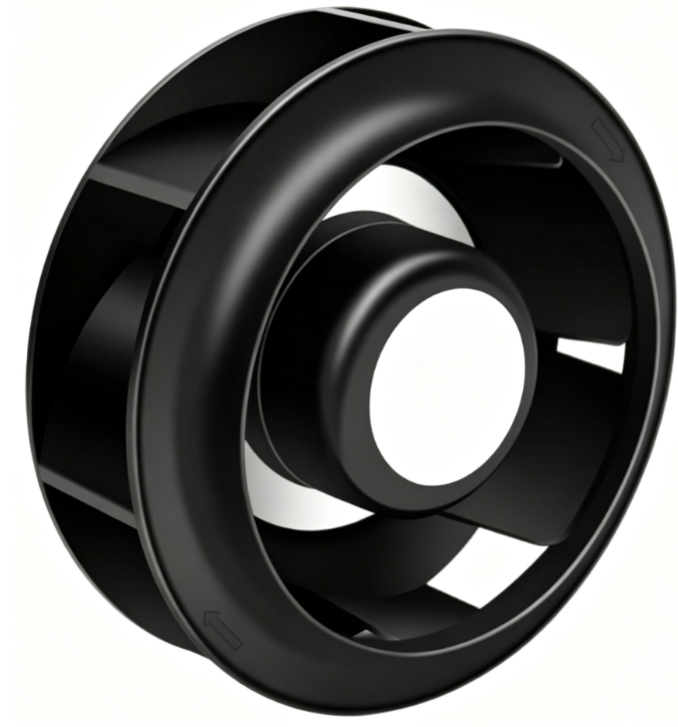
This EC backward‑curved centrifugal fan runs on 230V power supply. Air flows axially into the centre of the rotating plastic impeller. Centrifugal force accelerates air outward along backward‑curved blades, converting rotational energy into static pressure.
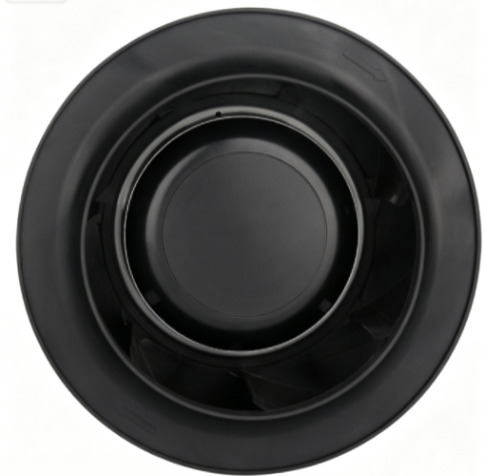
This EC backward‑curved centrifugal fan runs on 230V power supply. Air flows axially into the centre of the rotating plastic impeller. Centrifugal force accelerates air outward along backward‑curved blades, converting rotational energy into static pressure.
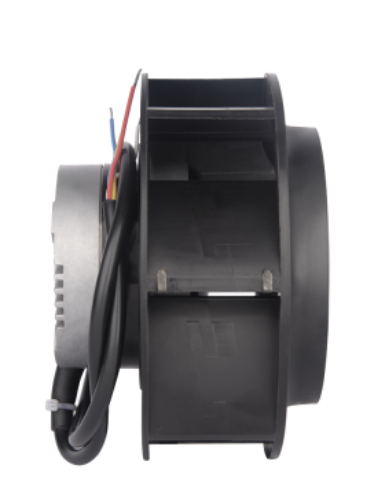
This EC backward‑curved centrifugal fan operates with 230V power supply. Air enters axially into the centre of the rotating plastic impeller. Centrifugal force pushes air outward along backward‑curved blades, transforming rotational energy into static pressure.
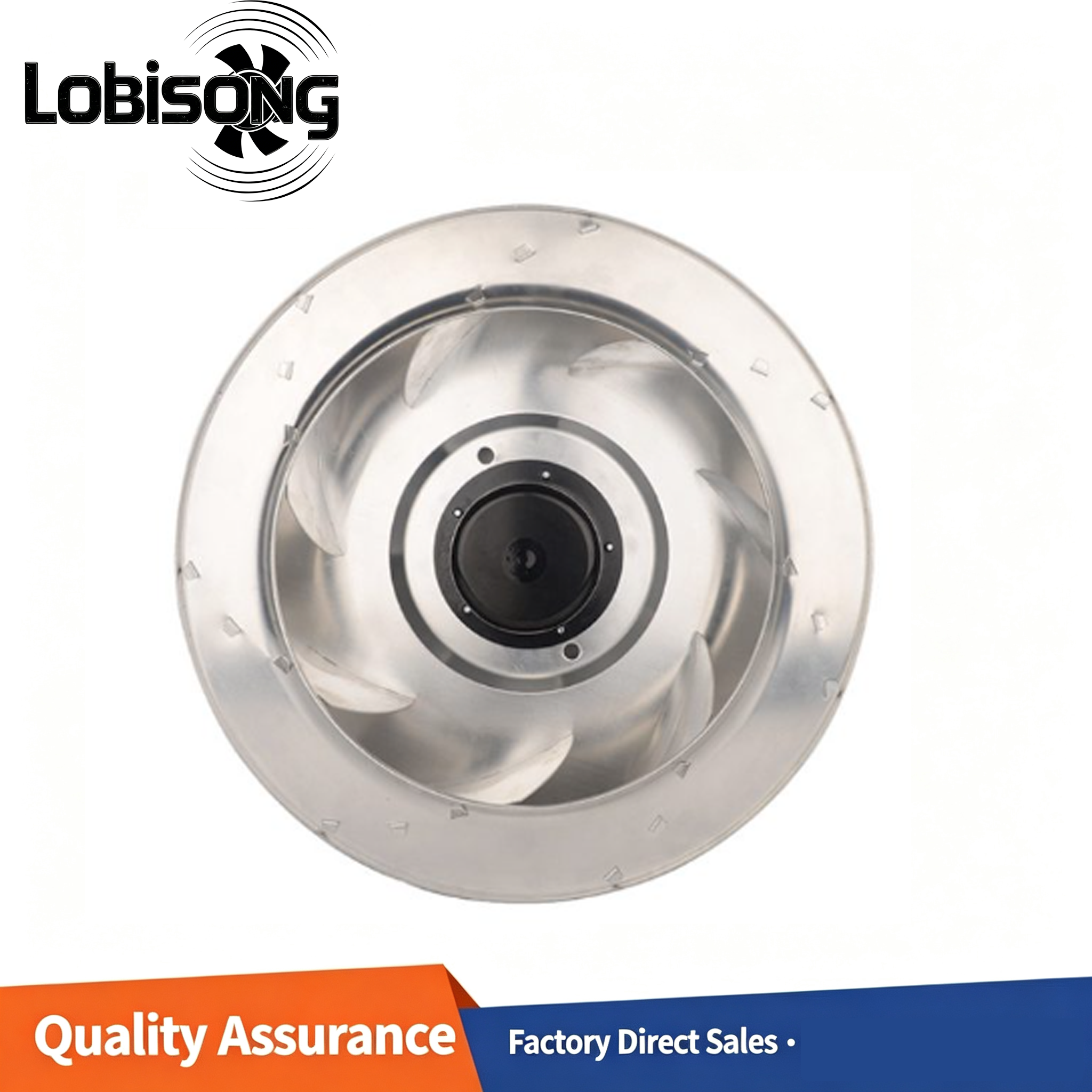
Next-Gen EC Motor Innovation: Utilizes clever electronic commutation inside the EC backward-curved centrifugal fan to pull way less power than traditional fixed-speed AC setups.
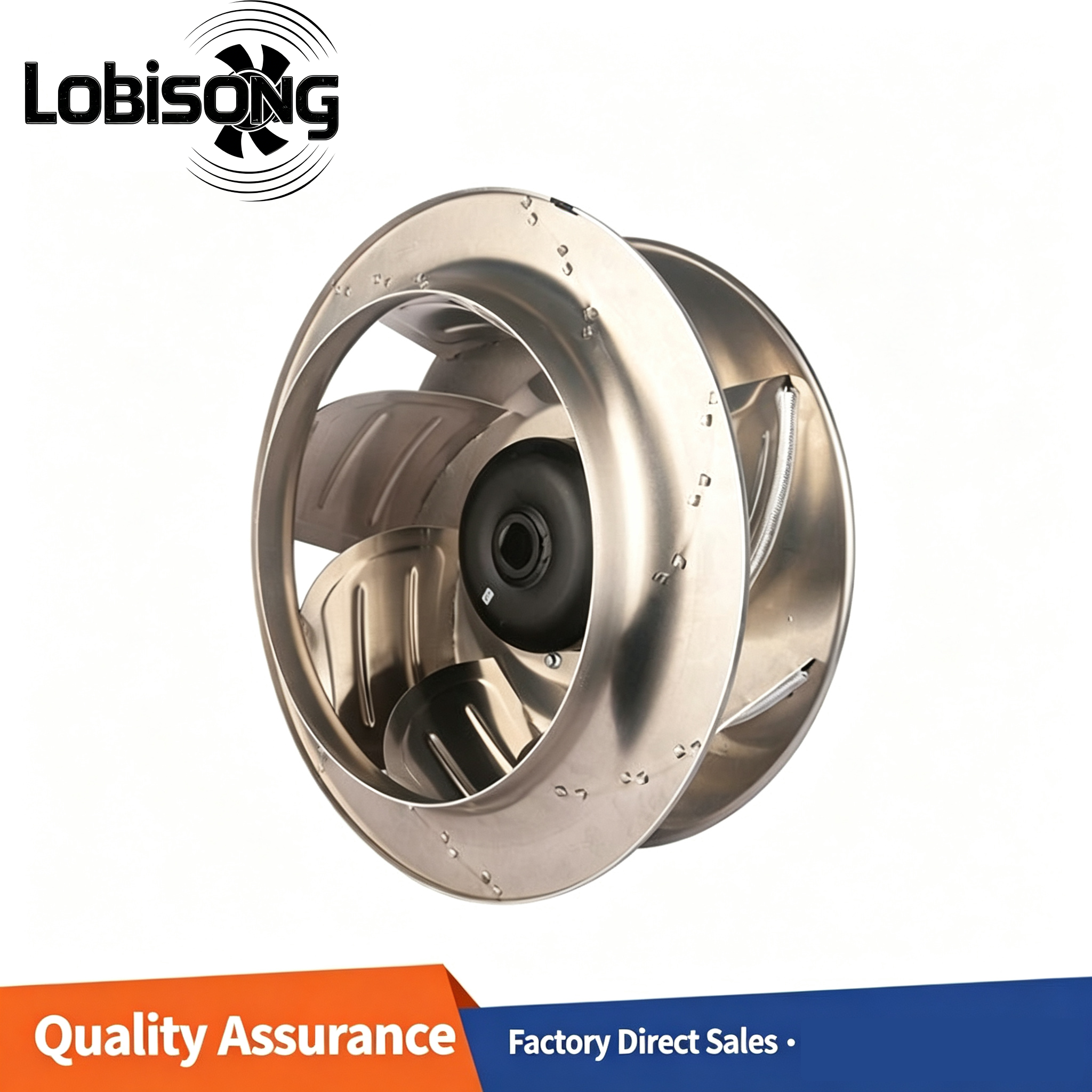
Ventilation & HVAC Engineering: Functions as a central duct fan and air-handling module in commercial buildings and large infrastructure.
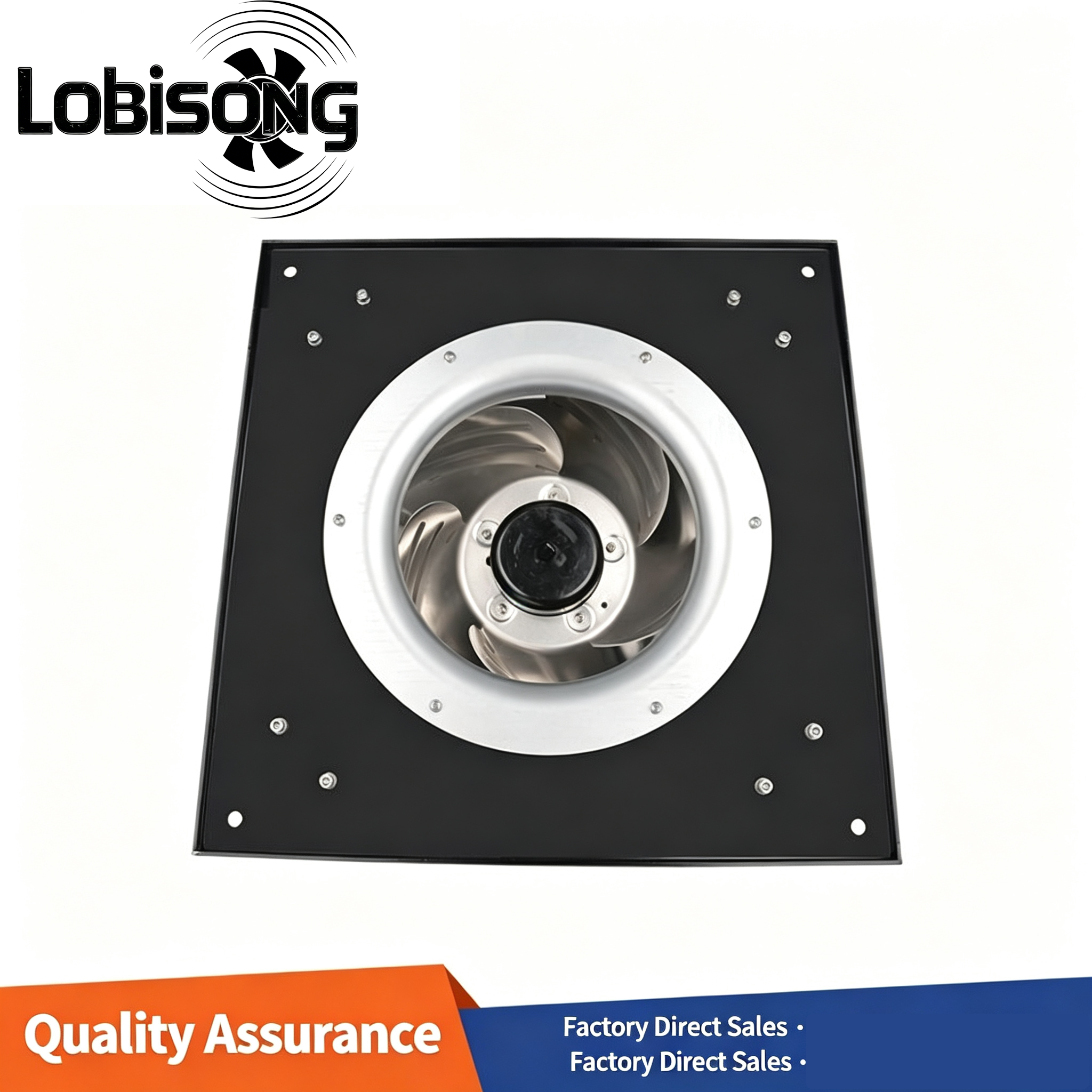
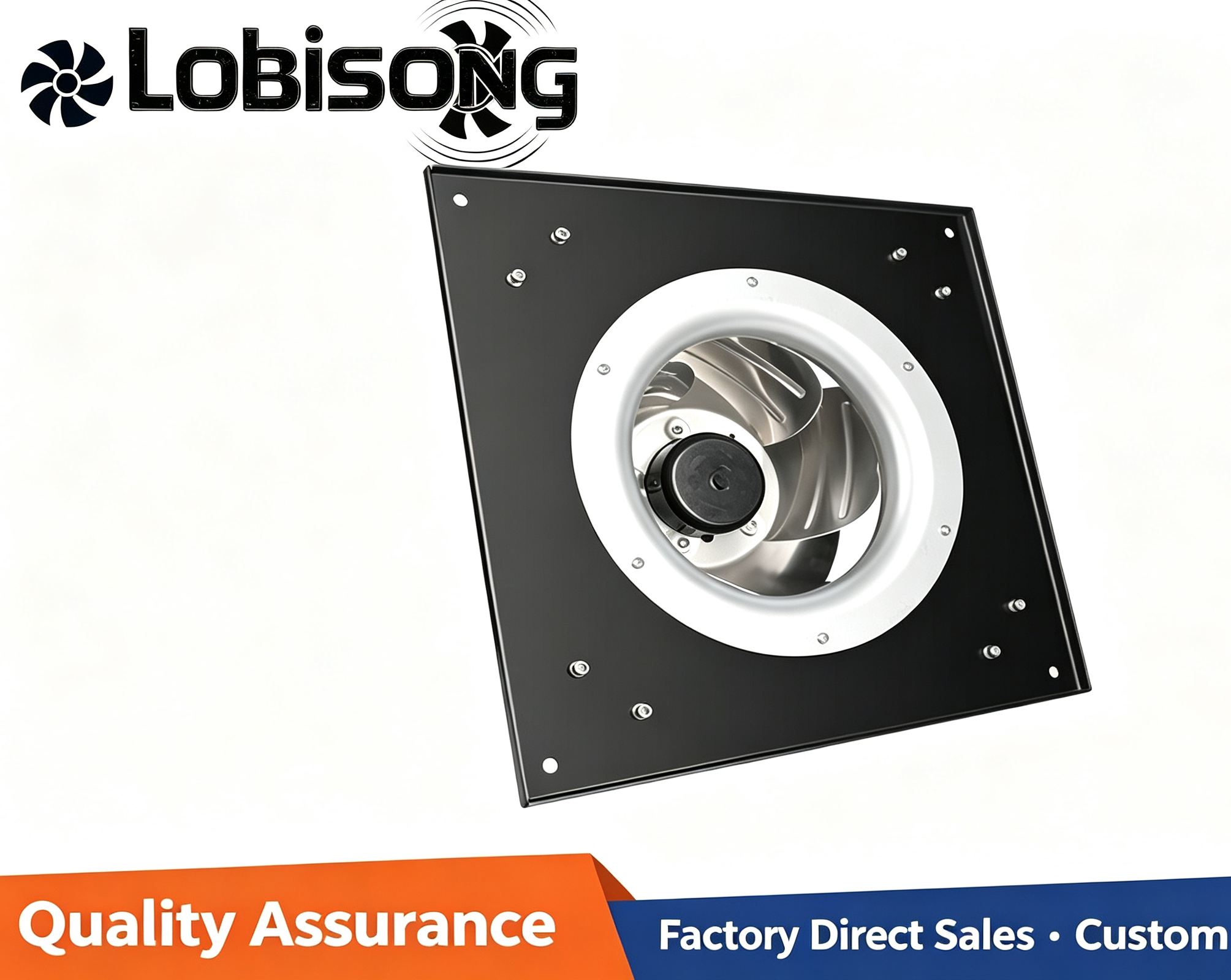
EC Motor Configuration: Handled electronically, commutation is the motor architecture behind a backward-curved fan that can be tied into an external control arrangement.
 EN