 EN
EN
What filter matching rule for dust proof cabinet cooling fan operating in cement factories
2026/09/30
Cement cabinets choke on dust. Learn the filter rule for an industrial cabinet cooling fan: G4/F7 media, IP rating, and pre-filter care.

2026/09/07
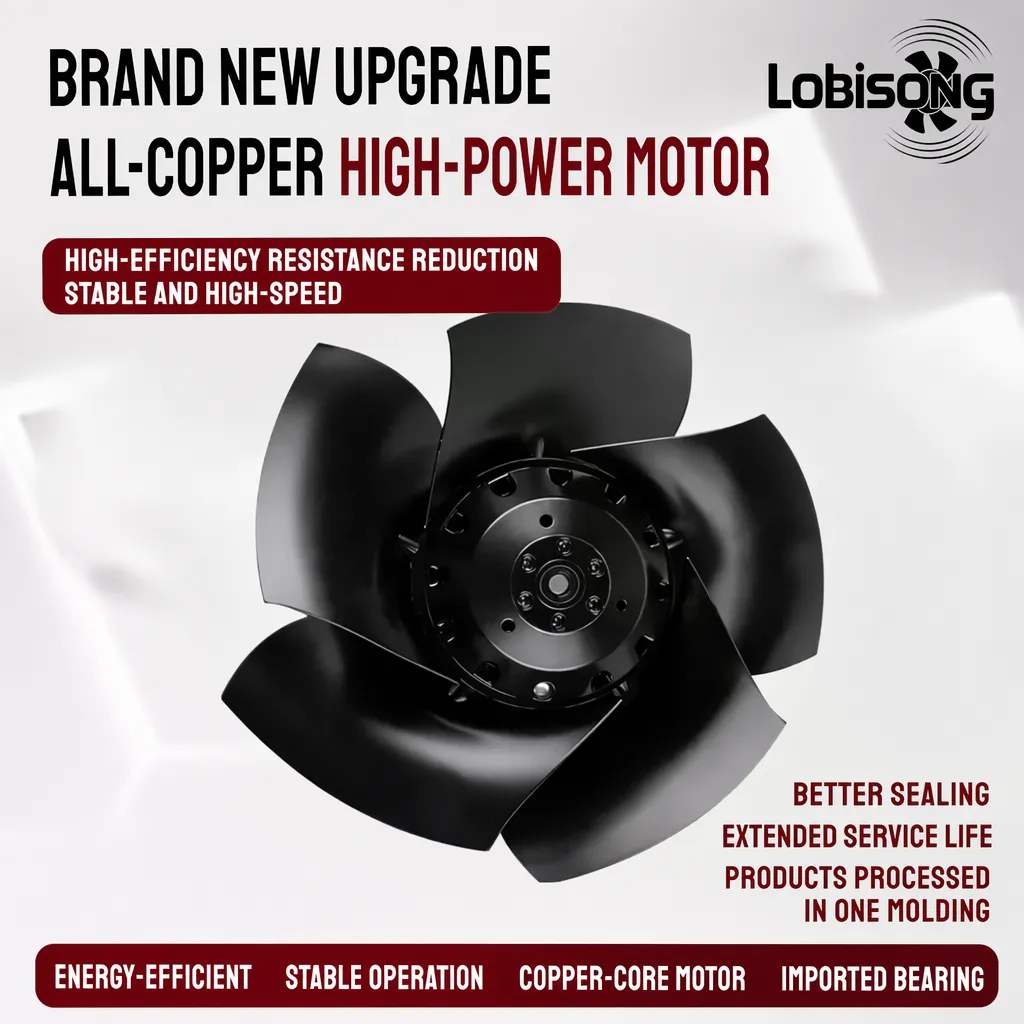
A modern cooling fan or compact drive stage often gains the most from a permanent magnet bldc motor. On a recent automation line, an older brushed unit ran hot, lost torque, and forced frequent service stops. The maintenance team needed a quieter, more reliable replacement that could hold speed under load without constant adjustment. Permanent magnet technology answered that need, and the comparison below explains why the shift keeps accelerating across industrial cabinets and control panels. Legacy brushed units still appear across many older panels, yet their commutator and brush set demand scheduled service that modern lines struggle to justify.
A CNC machine cabinet in a metalworking shop kept tripping its thermal relay during summer. The installed brushed drive motor depended on mechanical commutation, and brush wear raised contact resistance until airflow dropped. A permanent magnet bldc motor was proposed because its brushless design removes that failure path. The cabinet sat beside a servo motor and a spindle drive, so any downtime rippled across the whole cell and delayed every downstream order. Airflow measurement showed the old fan could no longer hold the enclosure below its allowable temperature rise during peak shifts.
The procurement engineer compared lifetime cost, not just sticker price. A permanent magnet bldc motor delivers higher power density in the same frame size, so the existing 160 mm fan opening accepted a direct substitute. Rare earth magnets on the rotor raised flux without extra copper, which mattered for a tight enclosure. Electronic commutation also meant no spark path near the sensitive control electronics, lowering fire risk in a dusty environment. The same motor also simplified the bill of materials, since no separate blower controller was required for speed regulation.
In a permanent magnet bldc motor, the permanent magnet rotor carries fixed magnetic poles while the stator holds the windings. Traditional drives excite the field with current, which adds copper loss and iron loss. Removing the field winding trims those losses and improves energy efficiency at partial load, exactly where cabinet fans spend most of their duty cycle. Torque density rises because rotor volume is used for magnets rather than coils, letting a smaller unit perform the same work. That compactness also shortens the thermal path to the housing, helping the drive shed heat during long summer shifts.
A permanent magnet bldc motor relies on electronic commutation to switch stator current in step with rotor position. A sinusoidal back-EMF profile, driven by field-oriented control (FOC), keeps torque smooth and audible noise low. Compared with trapezoidal schemes, sinusoidal FOC reduces ripple that would otherwise fatigue bearings. The controller reads rotor angle and energizes the correct phase, so no physical commutator wears out or needs periodic replacement. Closed-loop current control further protects the drive during sudden load steps that would stall an open-loop design.
For a permanent magnet bldc motor, thermal design is the main engineering risk. Magnets lose strength above a critical temperature, so thermal runaway must be prevented. A well-designed unit includes thermal overload protection and current limiting to cap winding temperature. Operators should keep ambient air below the rated envelope and avoid blocking the inlet. Regular infrared checks during commissioning catch hot spots before they reach the demagnetization threshold. A well-tuned drive also derates output as temperature climbs, trading a little speed for a large gain in magnet life.
Ball bearings dominate the service life of any small drive. Contaminated or misaligned mounts accelerate wear, raising vibration that the FOC loop cannot fully mask. A preventive schedule that cleans the snap-on filter and verifies balance extends intervals between failures. Pure-copper windings resist degradation better than alloy substitutes, but only correct lubrication keeps the bearing healthy across changing seasons and load profiles. Vibration trending on a monthly basis gives early warning long before a hard failure interrupts production.
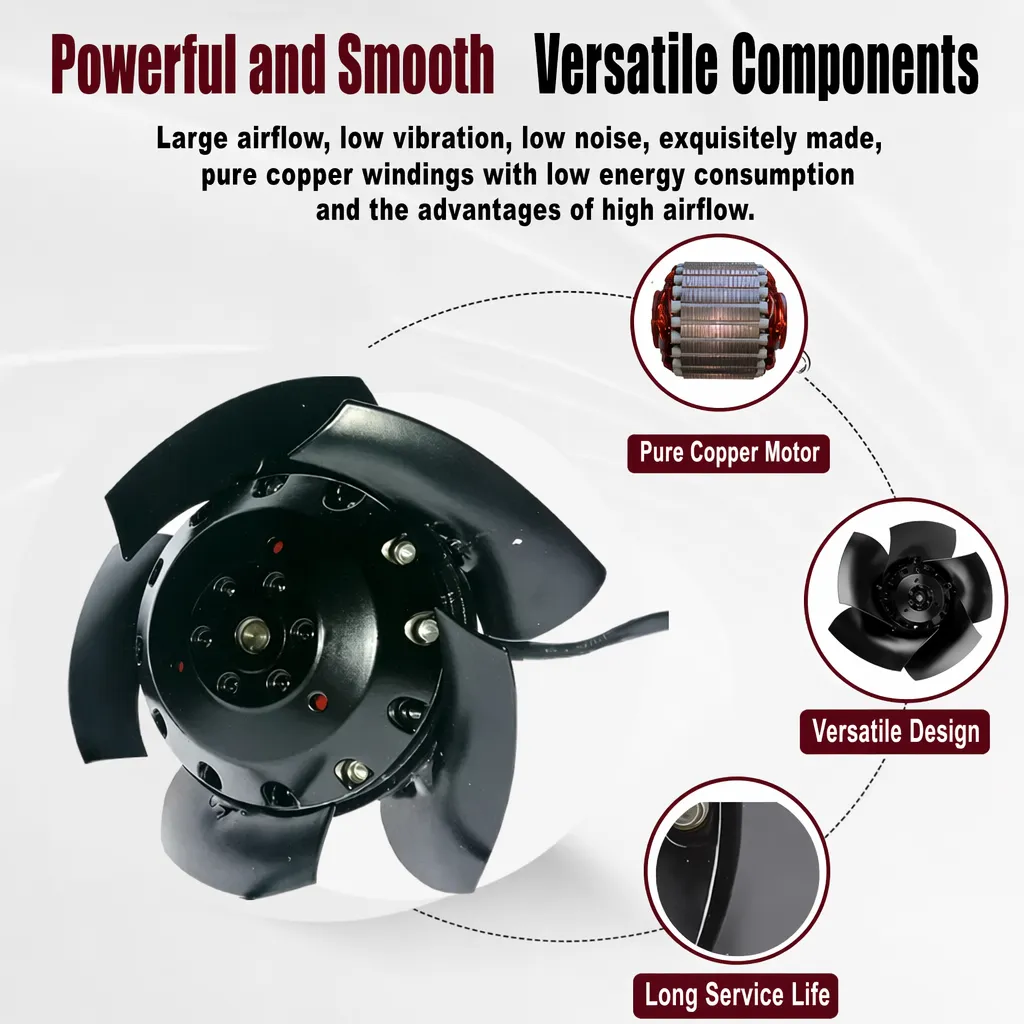
Specifying to recognized standards protects the buyer and the installer. IEC 60034 covers rotating electrical machines, while IEC 60529 defines the IP rating that matters for dusty cabinets. EN 60204-1 addresses electrical safety of machinery, and UL 1004 applies to motors and controllers in North America. ISO 9001 signals a disciplined quality system. Ask the supplier for CE or UKCA documentation and the test report that proves the declared ratings before the order is placed. Requesting the full parameter sheet and CAD drawing at the same time also shortens the integration phase and reduces later field rework.
On site, confirm the nameplate matches the order and that the outer rotor spins freely by hand. Listen for grinding and measure no-load current against the datasheet. A washable filter should be cleaned every quarter in dusty plants. Log operating hours so maintenance lands before the bearing limit. These steps keep the brushless drive stable for years and protect the upstream automation investment.
A permanent magnet bldc motor beats traditional brushed drives on efficiency, size, and reliability where it matters most. The CNC machine cabinet case showed fewer stops and lower noise after the swap. Higher torque density, less copper loss, and clean electronic commutation explain the gain. For procurement teams, verifying standards and planning upkeep turns that advantage into dependable, long-term performance on the factory floor.
Question: What advantages does a brushless DC motor offer over brushed drives? Answer: A permanent magnet bldc motor removes mechanical brushes, cutting spark risk and contact wear. It reaches higher power density and energy efficiency in the same frame, with smoother torque from sinusoidal commutation. Maintenance drops because there are no commutator parts to replace. For cabinet cooling and automation cells, that means fewer stops, lower noise, and steadier speed under changing load conditions.
Question: Why does copper loss matter when comparing drive motors? Answer: Copper loss heats the windings and wastes input power as heat instead of motion. A permanent magnet rotor needs no field current, so the stator carries only torque-producing current. Lower copper loss raises efficiency and reduces the cooling burden on the enclosure. Less heat also slows insulation aging and extends service life. Selecting a high-efficiency unit pays back through smaller filters and reduced fan duty.
Question: How is electronic commutation controlled in a brushless design? Answer: A rotor-position sensor or sensorless estimator tells the controller where the magnet sits. The drive then energizes the correct stator phase through electronic commutation, mimicking a commutator without contact. Field-oriented control shapes current as a sinusoidal waveform for smooth torque. Proper tuning prevents phase lag and audible whine. The result is precise speed regulation with no mechanical wear path to fail.
Question: Can a permanent magnet motor lose magnetic strength over time? Answer: Yes, but only under abuse. Magnets weaken above a material-specific temperature, so exceeding the rated ambient or blocking airflow risks demagnetization. Quality units add thermal overload protection and current limits to prevent this. Normal operation well inside the envelope shows negligible loss across the service life. Specifying the correct IP rating and verifying ventilation keeps the rotor safe and stable.
Question: Where should standards documentation be checked before purchase? Answer: Request the certificates from the supplier alongside the quotation, not after delivery. Look for IEC 60034 and IEC 60529 ratings, EN 60204-1 safety compliance, and UL 1004 where the market requires it. ISO 9001 covers the quality system behind the product. CE or UKCA marks should arrive with a valid test report. Confirming these documents first prevents costly rejects at the incoming inspection stage.

2026/09/30
Cement cabinets choke on dust. Learn the filter rule for an industrial cabinet cooling fan: G4/F7 media, IP rating, and pre-filter care.

2026/10/07
Right wall-mount height for an industrial axial exhaust fan: room volume, free clearance, brackets, and recirculation control.

2026/10/08
An ec motor fan links to BMS via Modbus, 0-10V and PWM for demand-based cooling, energy scheduling and automatic sensor-driven speed control.

2026/10/06
A radial exhaust fan removes grease, fumes, and odors from food-processing workshops with capture velocity and hygienic washdown design.

2026/10/05
Learn antistatic treatment for industrial cabinet cooling fan in electronics workshops—ESD-safe housing, ionizable plastics, and cleanroom compatibility.

2026/10/04
Discover how a brushless dc servo delivers precise wind speed control for laboratory cooling fans with closed-loop PID feedback and laminar airflow.
