Product Summary
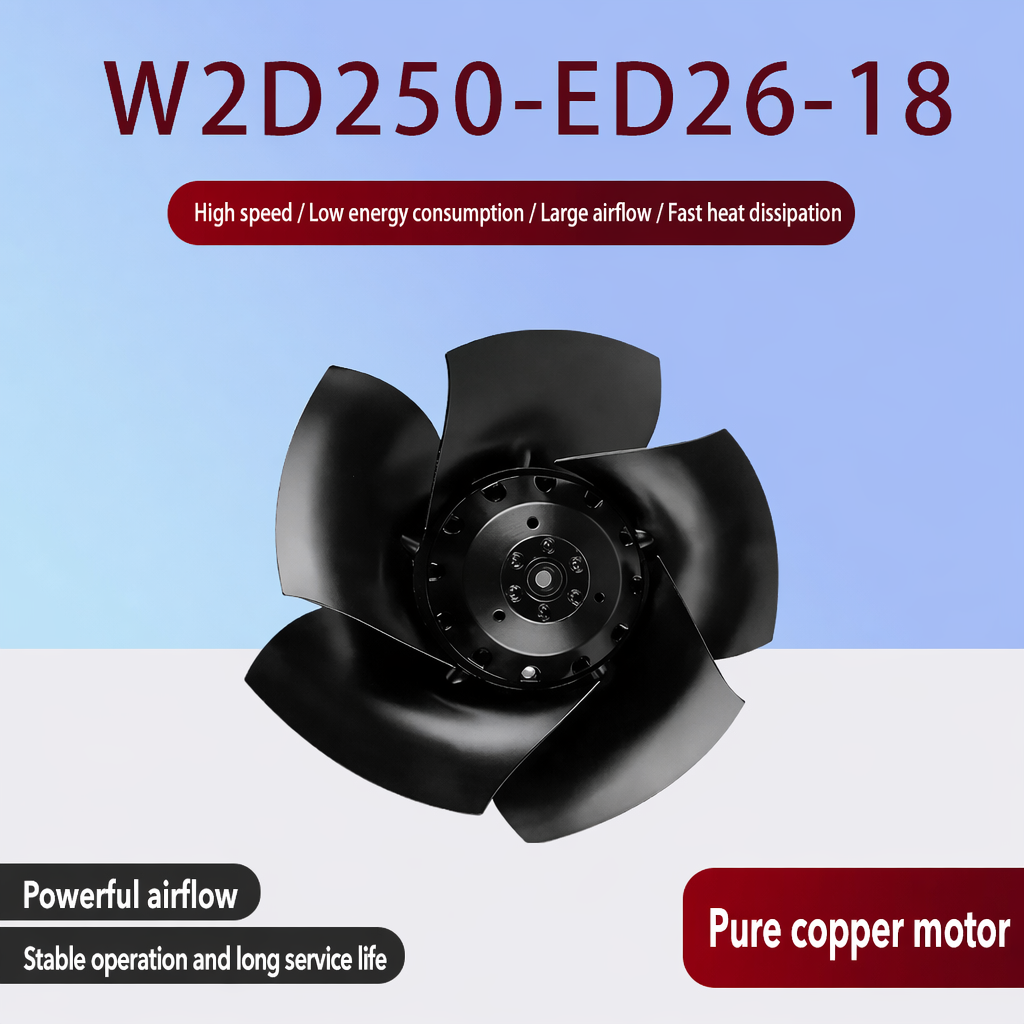
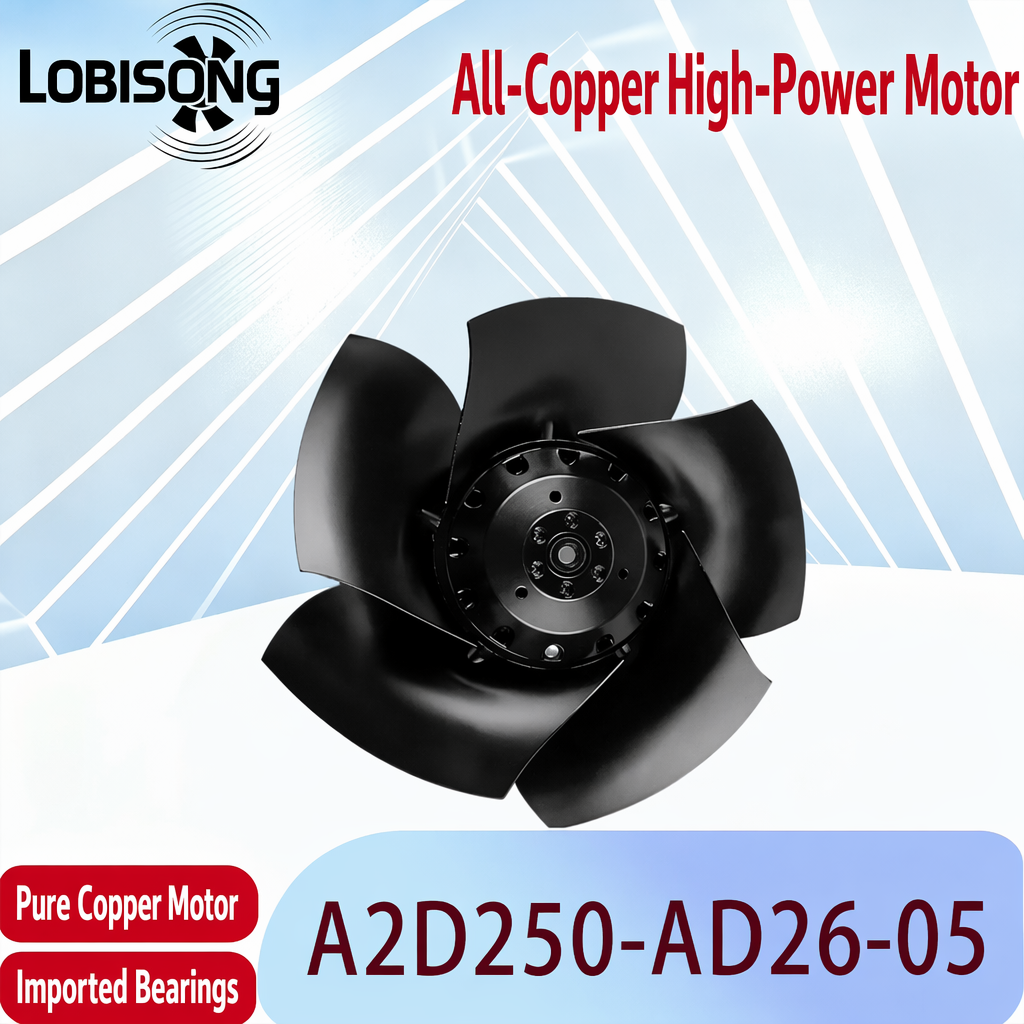
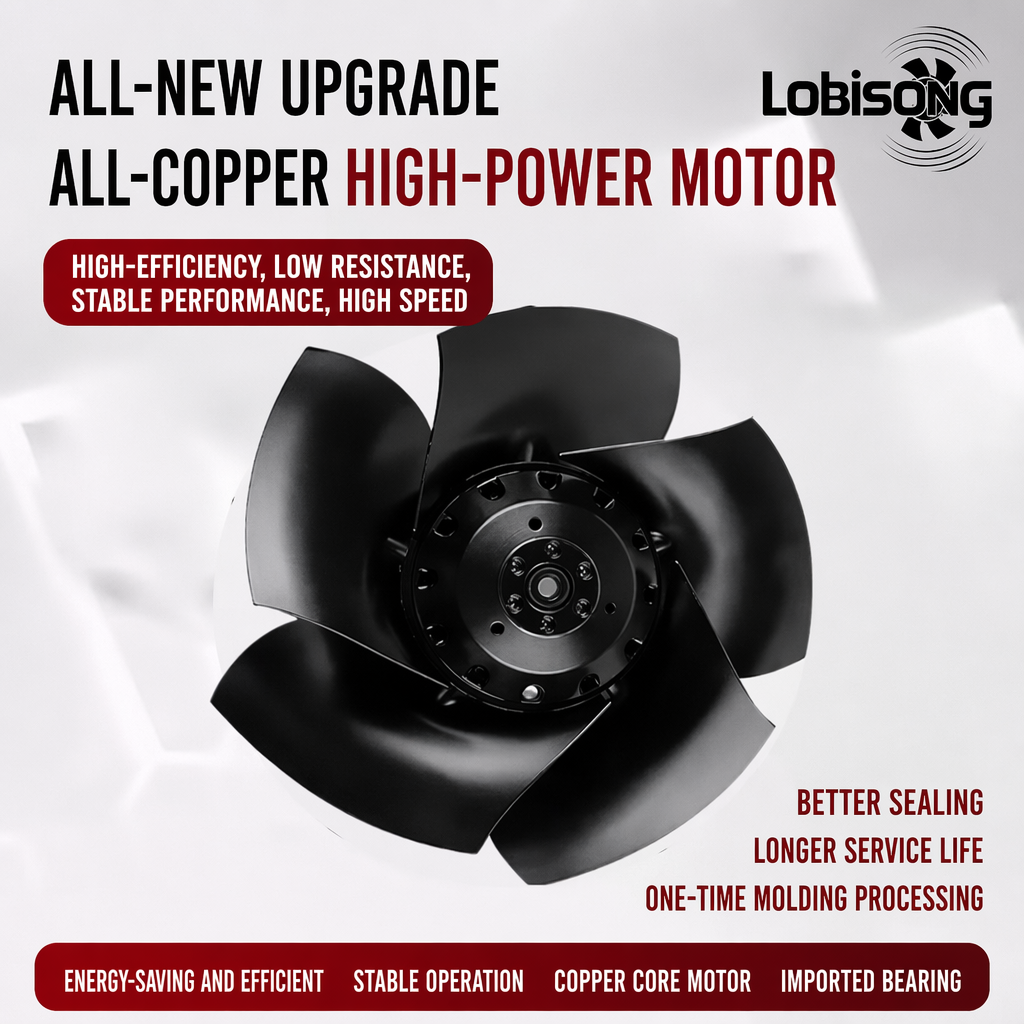
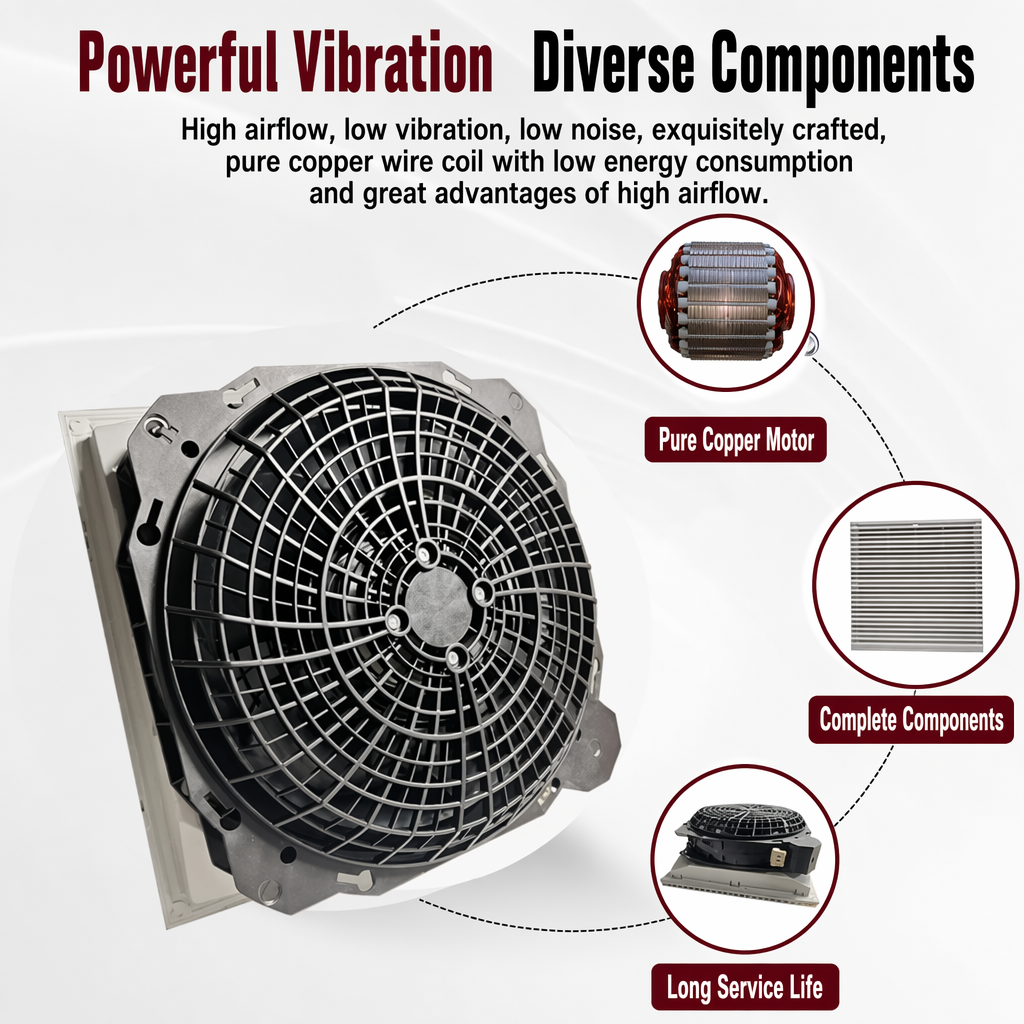
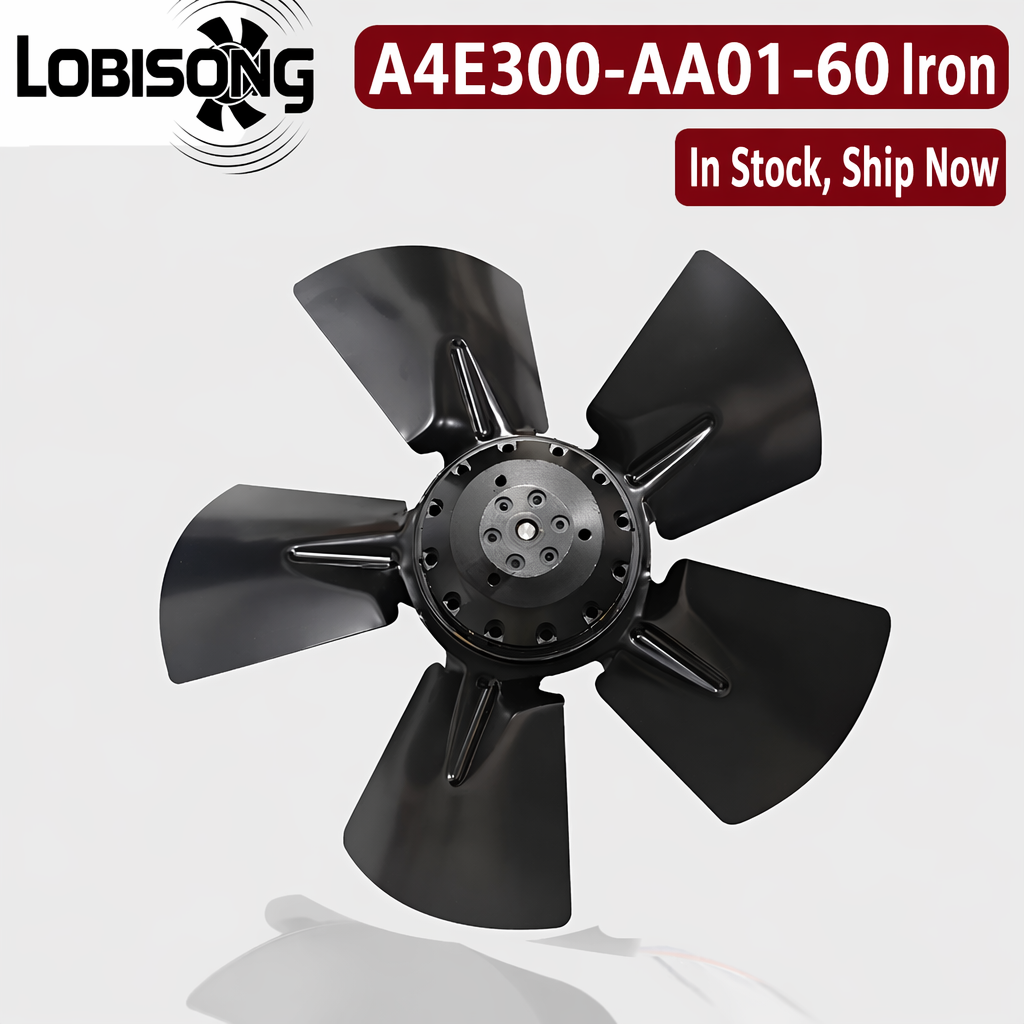
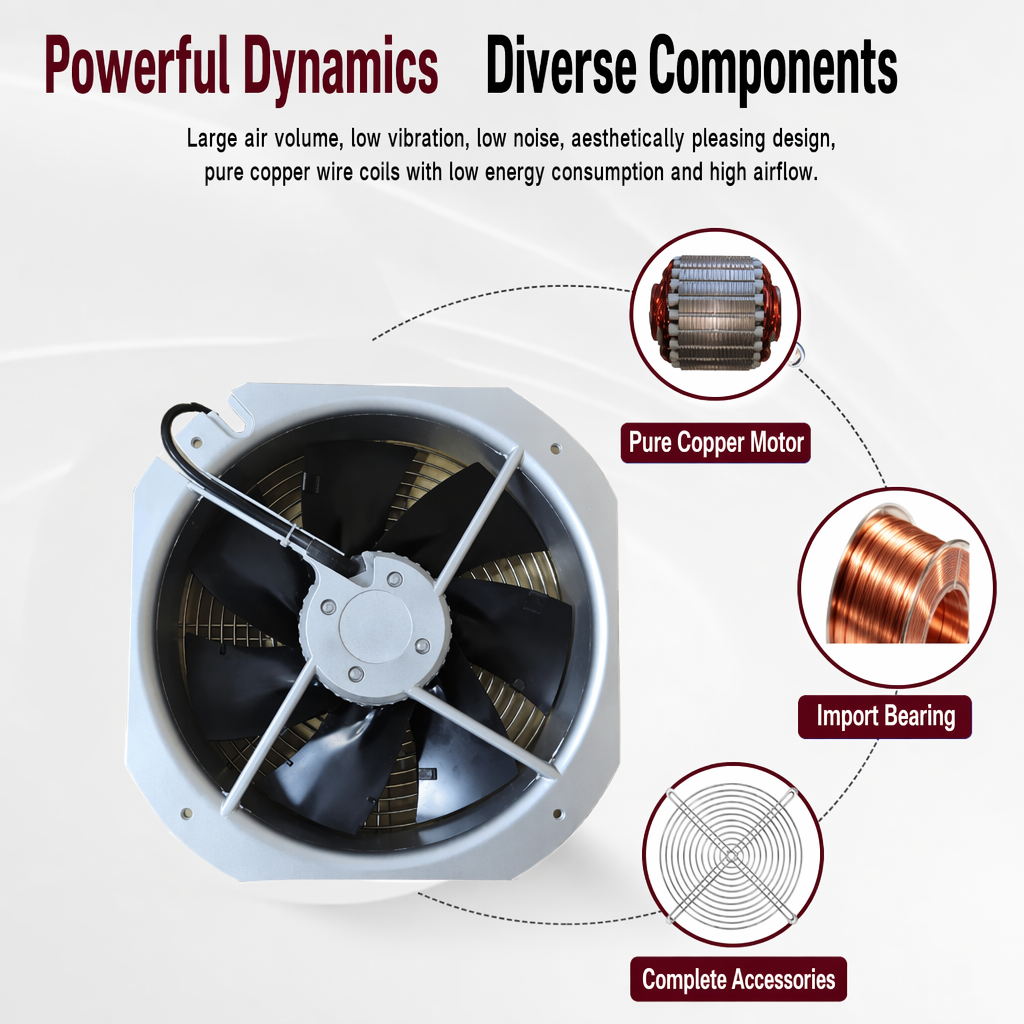
The Industrial Axial Cooling Fan series is designed for equipment ventilation, machinery cooling, cabinet airflow, and industrial heat-dissipation applications. The product family includes A2D250-AD26-05, W2D250-ED26-18, W2D250-ED26-12, W2D250-08, W2D250-22, W2D250-EB26-08, and W2D250-AC26-05. Across this series, the fans use pure copper motor windings, a permanent-magnet brushless outer rotor motor design, and precision bearing support to provide direct airflow for long-running industrial ventilation tasks.
An industrial axial cooling fan is typically selected when air needs to move through a defined opening, cabinet wall, equipment housing, or ventilation passage. The fan can be positioned as an intake unit to introduce ambient air into equipment or as an exhaust unit to remove warmer internal air. Before selecting a model, buyers should compare the required installation position, electrical supply, mounting layout, airflow direction, and equipment environment with corresponding technical documentation.
Basic Description & Engineering Overview
Industrial equipment can accumulate heat during continuous operation. Electrical cabinets, automation equipment, machinery enclosures, ventilation systems, and enclosed production equipment all depend on an appropriate airflow path to support thermal management. This industrial axial cooling fan series is intended to support direct airflow through these types of equipment spaces.
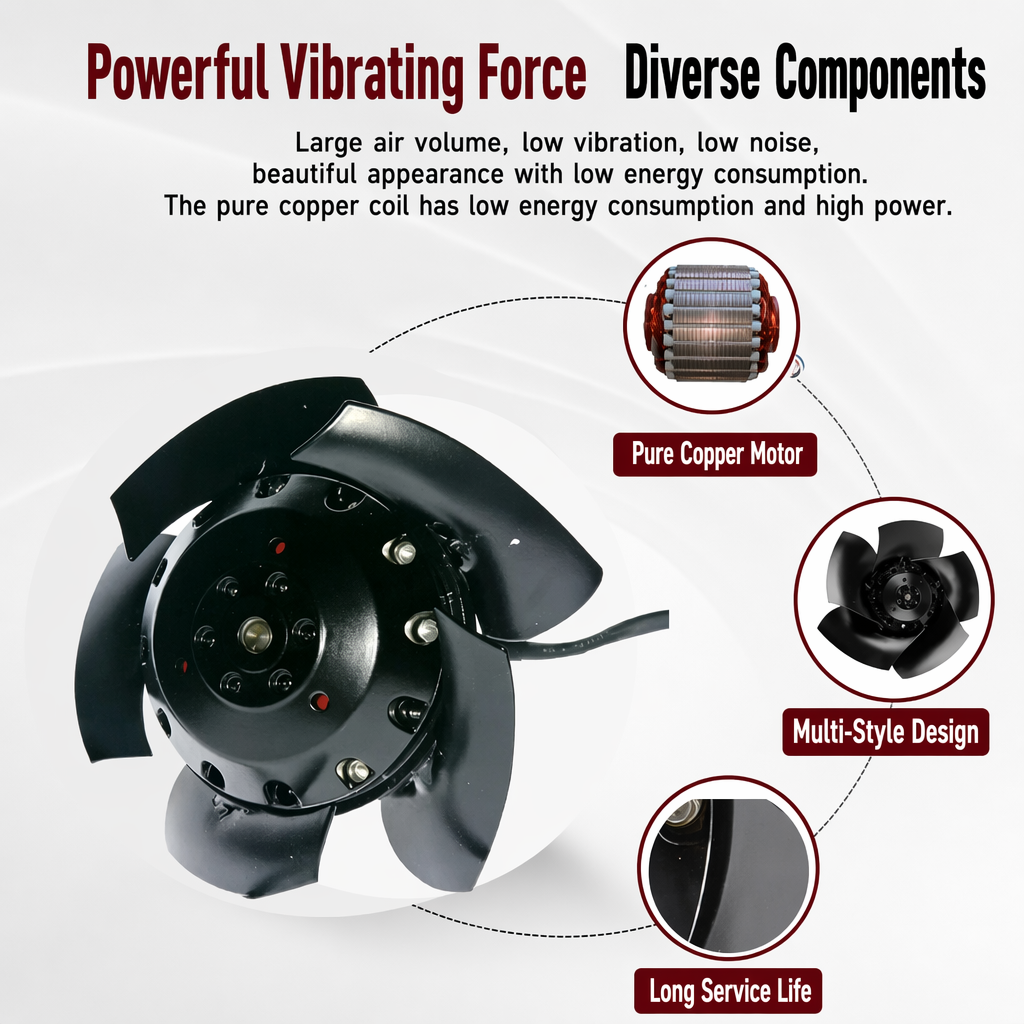
The fan family uses an outer rotor permanent-magnet brushless motor structure with pure copper windings. In an outer rotor arrangement, the rotating portion of the motor is integrated with the fan assembly, allowing a compact configuration for equipment cooling applications. Pure copper windings are commonly selected for motor assemblies because of their electrical conductivity. The final operating result depends on the selected model, system resistance, mounting position, intake and exhaust layout, and surrounding equipment conditions.
Precision bearing support is another part of the rotating assembly. The bearing structure is designed to help maintain smooth rotation during regular industrial use. Together with the motor and blade arrangement, it supports the series-level objective of direct airflow, controlled vibration, and lower operating noise in applicable ventilation systems.
Key Features & Technical Advantages
Pure Copper Motor Windings: Each model in the series uses pure copper winding material as part of its motor drive structure.
Permanent-Magnet Brushless Outer Rotor Design: The series uses a brushless outer rotor motor configuration for industrial airflow and cooling applications.
Direct Axial Airflow: The fans are designed to move air through a defined equipment opening, cabinet, enclosure, or ventilation path.
Precision Bearing Support: High-density bearing construction is intended to support smooth rotation and help manage mechanical vibration and operating noise.
Series-Level Model Coverage: Multiple listed models give engineering and maintenance teams a starting point for identifying an appropriate fan reference.
Industrial Material Selection: The fan series uses materials selected for industrial ventilation and equipment cooling environments.
The benefits of a cooling fan should be considered as part of the full equipment design. Airflow is most useful when the fan is installed in a position that allows air to travel across heat-producing components and leave the enclosure through a suitable exhaust route. Filters, guards, louvers, cable routing, internal partitions, and tightly arranged components can influence the practical airflow available at the target area.
Technical Specifications
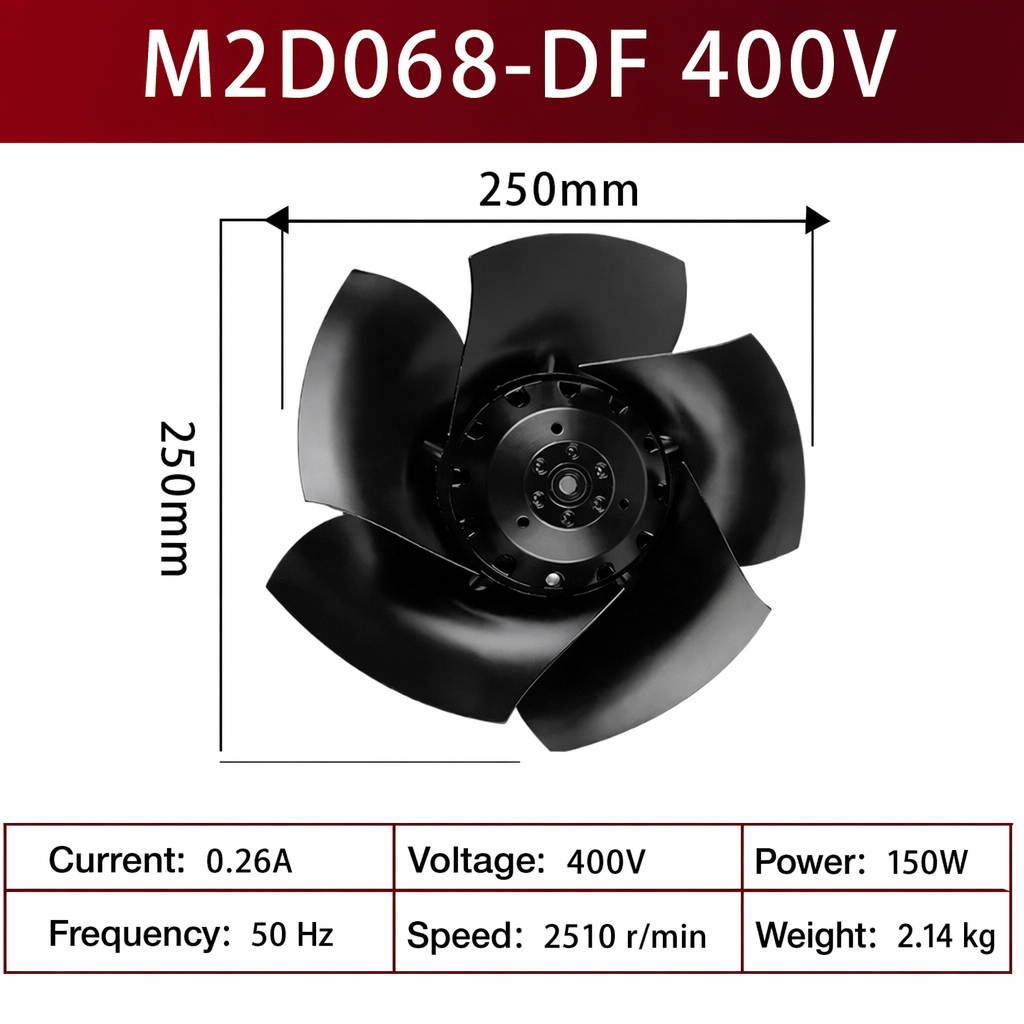
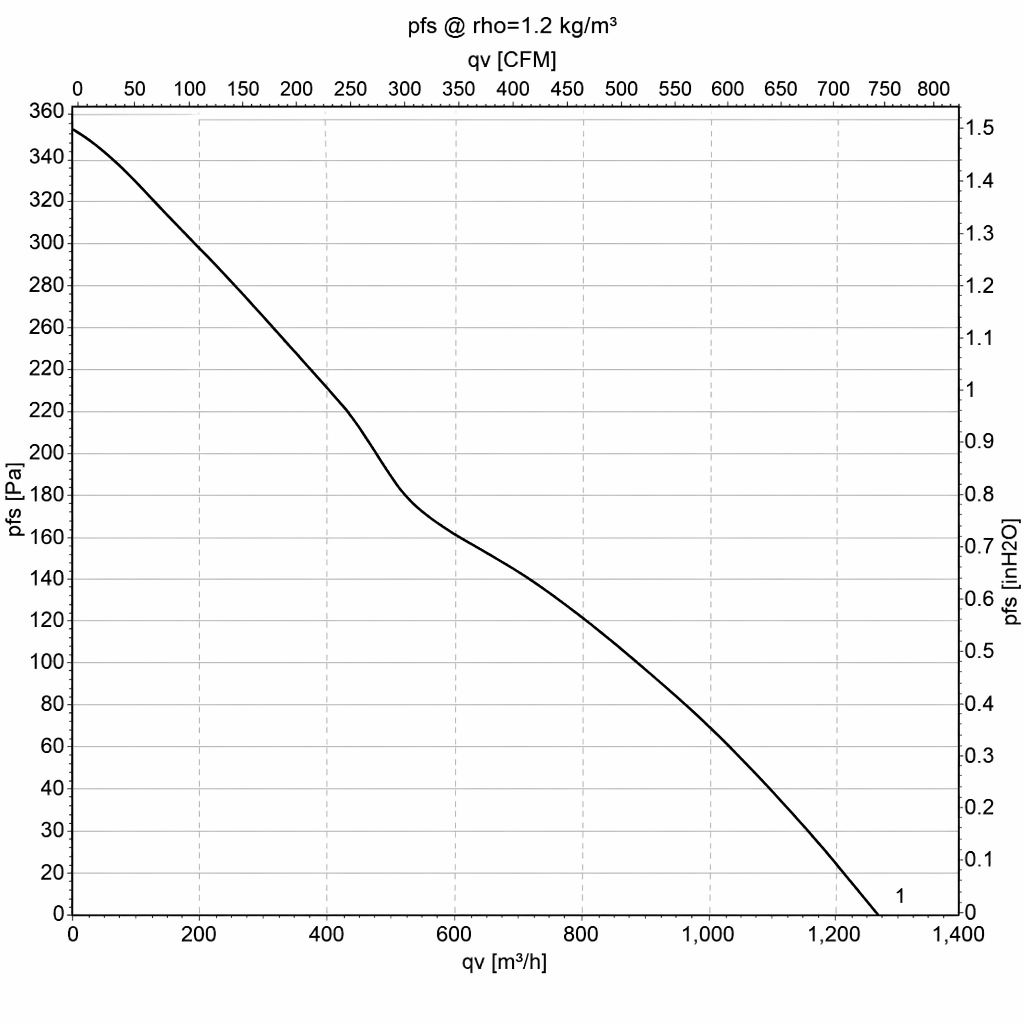
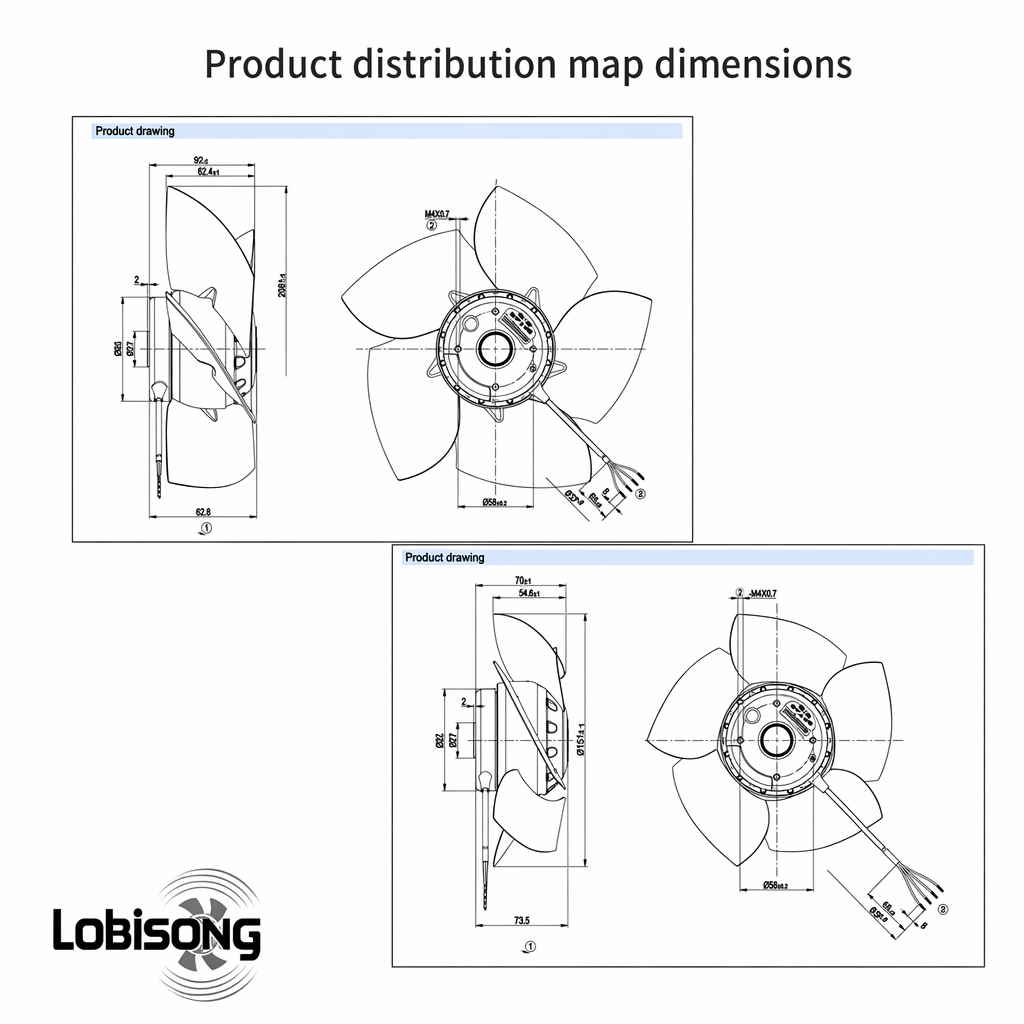
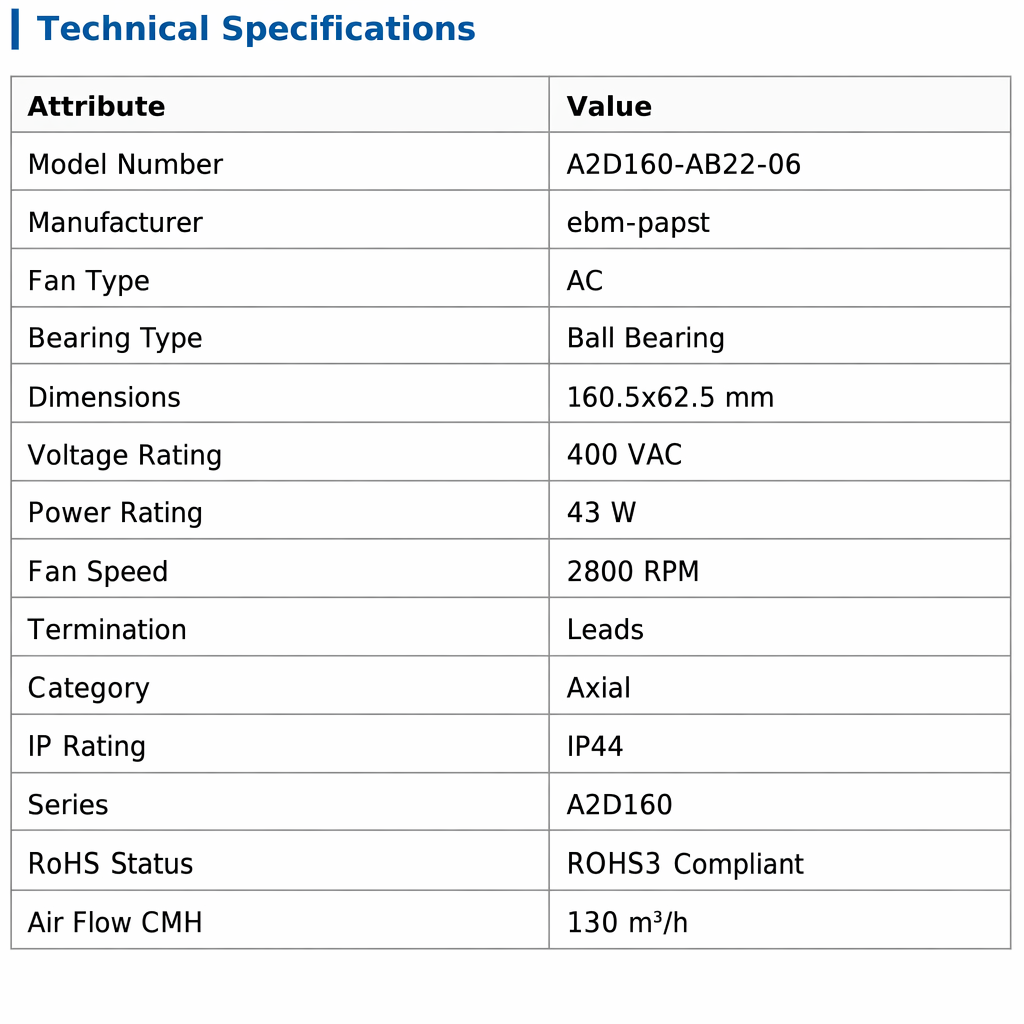
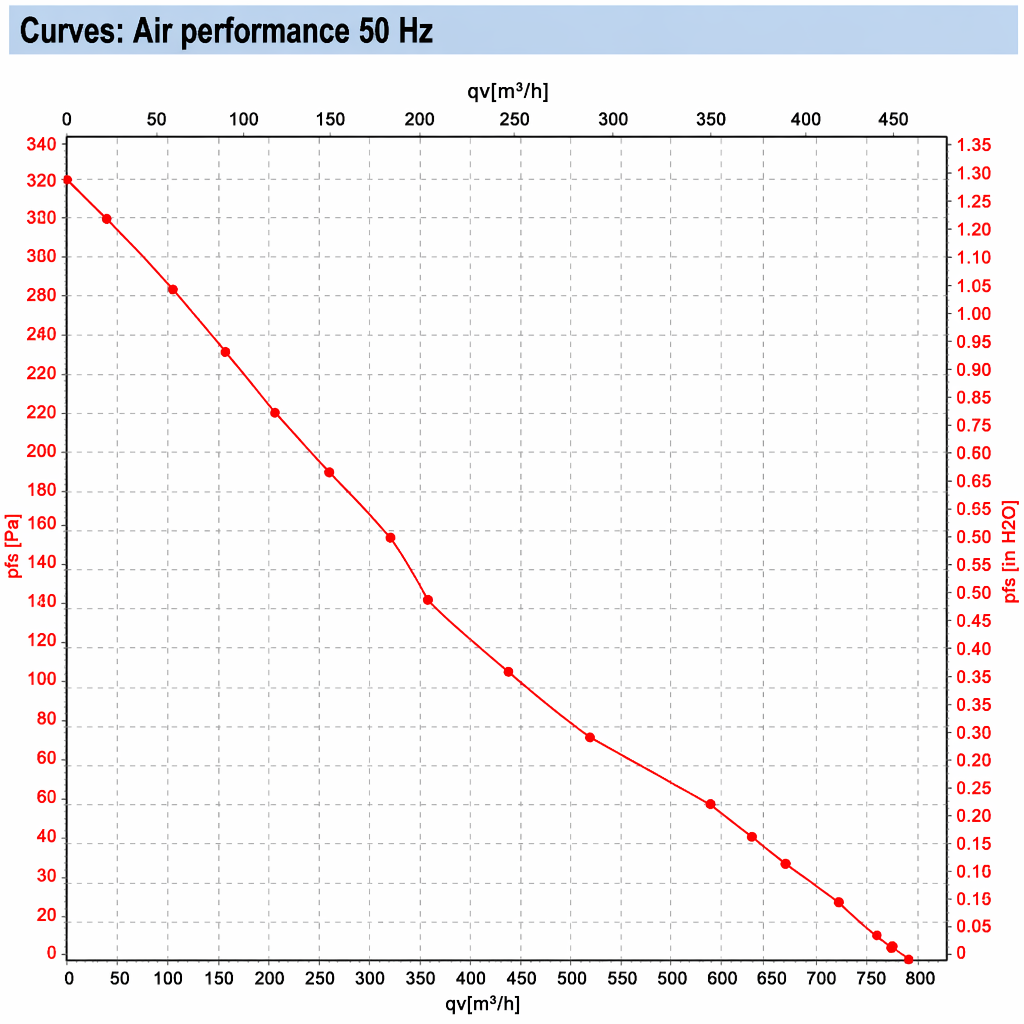
Technical parameter sheets and CAD dimensional drawings are available to support equipment selection and installation planning. These documents can help buyers compare the fan outline, mounting-hole position, fan profile, connection location, and available installation space with the target equipment.
For a replacement project, the existing model reference should be checked first. For a new equipment project, engineering teams should identify the required airflow direction, installation opening, electrical conditions, and any surrounding components that may restrict air movement. Using the correct model documentation before installation helps teams avoid selecting a fan only by appearance or general product type.
Industry Applications
This industrial axial cooling fan series can be considered for a range of equipment ventilation and direct-airflow applications.
- Electrical Cabinets and Data Equipment: Supports airflow in control cabinets, equipment rooms, and enclosed electronic installations.
- Commercial Kitchen Ventilation: Can be considered for suitable ventilation equipment requiring direct air movement.
- Office and Factory Air Circulation: Supports ventilation equipment used in larger working areas and enclosed industrial spaces.
- Tunnels and Underground Areas: Relevant to ventilation equipment where model-specific installation requirements are met.
- Agricultural and Livestock Facilities: Can support suitable air-exchange equipment in barns, sheds, and controlled-environment spaces.
- Industrial Production Equipment: Supports equipment cooling and ventilation arrangements in machinery and production environments.
Commercial Value & Selection Support
For B2B procurement, maintenance, and engineering teams, selection accuracy is central to product value. A multi-model industrial axial cooling fan series gives buyers a reference point for equipment matching, while the associated parameter sheets and CAD drawings help confirm which model suits a specific installation.
Instead of relying on general fan appearance, buyers should compare the model reference, mounting interface, electrical requirement, airflow direction, and available equipment space. This documentation-based process helps support informed sourcing decisions for maintenance replacement, equipment assembly, and ventilation-system planning.
Expert Insights: Planning an Effective Airflow Path
Cooling performance is influenced by the path the air follows after it leaves the fan. In an enclosure, airflow should be directed toward areas where heat is generated and should have a clear route to exit. If warm air is recirculated inside the cabinet or equipment housing, ventilation effectiveness may be reduced.
During planning, consider whether the fan will be used for intake or exhaust, whether ventilation openings are blocked, and whether filters or protective components need regular maintenance. A clear air path, matched model reference, and accurate installation documentation help establish a practical ventilation arrangement.
FAQ
Q1: Which models are included in this industrial axial cooling fan series?
The series includes A2D250-AD26-05, W2D250-ED26-18, W2D250-ED26-12, W2D250-08, W2D250-22, W2D250-EB26-08, and W2D250-AC26-05.
Q2: Do all listed models use the same core design features?
Yes. The confirmed series-level features include pure copper motor windings, a permanent-magnet brushless outer rotor motor design, precision bearing support, direct airflow, and low-noise operating characteristics.
Q3: Where can these fans be used?
They can be considered for equipment cooling, electrical cabinet ventilation, industrial machinery, commercial ventilation equipment, agricultural facilities, and enclosed spaces when the selected model matches installation requirements.
Q4: What should be confirmed before ordering?
Confirm the model reference, electrical requirement, mounting layout, connection location, airflow direction, equipment opening, and applicable technical documentation before ordering or installation.

 EN
EN