a2e250-aj40-08-a2e250-am06-01-a2e250-al06-11-a2e250-al08-12-a2e250-ae65-01-ac-axial-fan, a2e250-aj40-08-a2e250-am06-01-a2e250-al06-11-a2e250-al08-12-a2e250-ae65-01-ac-axial-fan, /ac-cooling-fan
EN
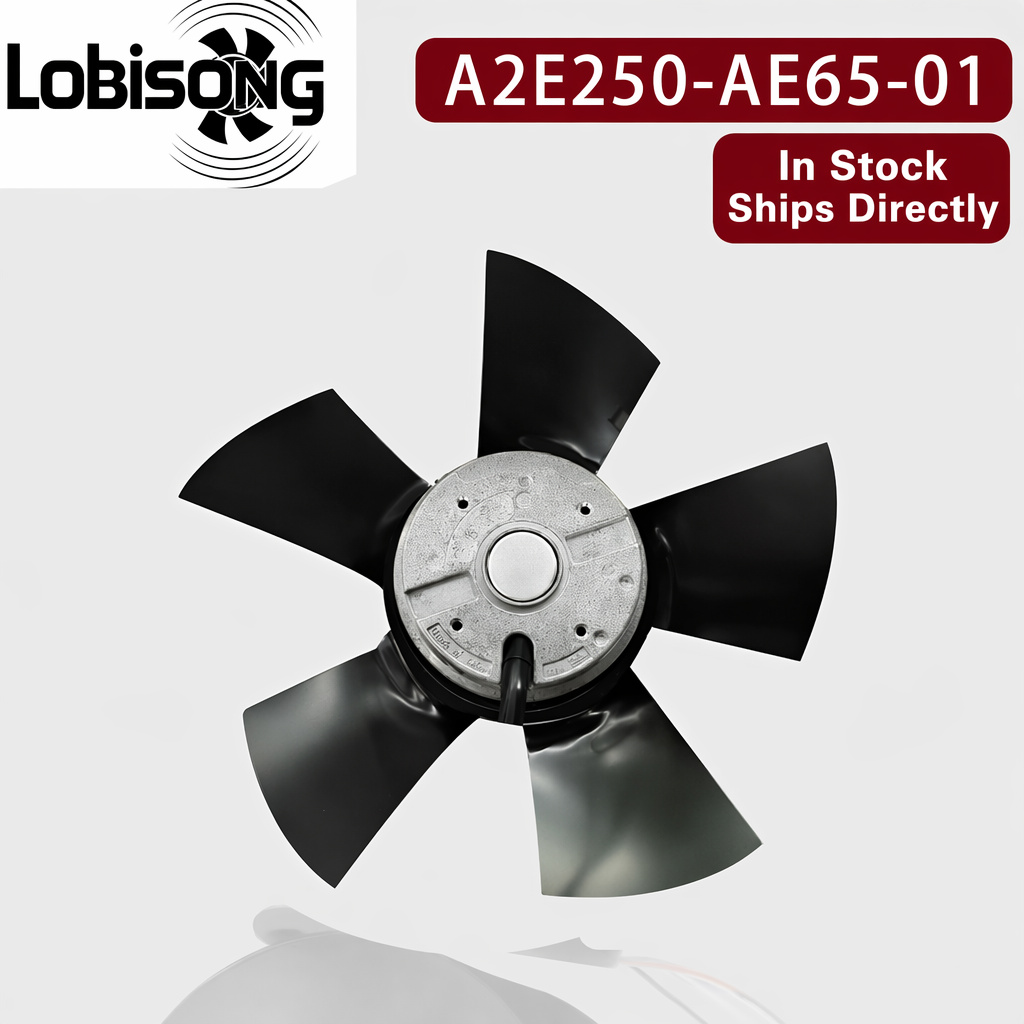
AC Axial Fan Series for Industrial Equipment Ventilation: Five related models provide direct airflow for cabinets, machinery enclosures, and industrial cooling positions.
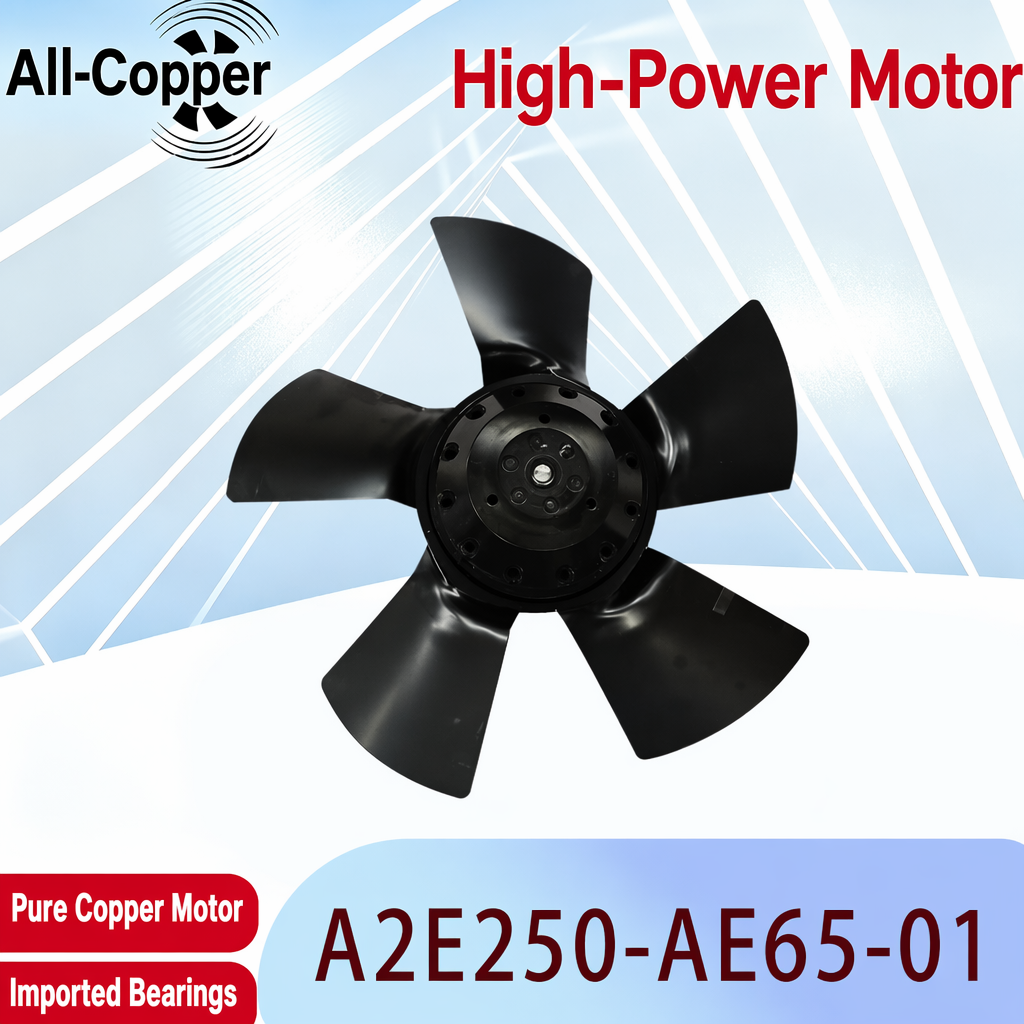
Brushless Outer Rotor Motor Construction: Pure copper windings and imported precision bearing support help maintain smooth operation in continuous-duty ventilation tasks.
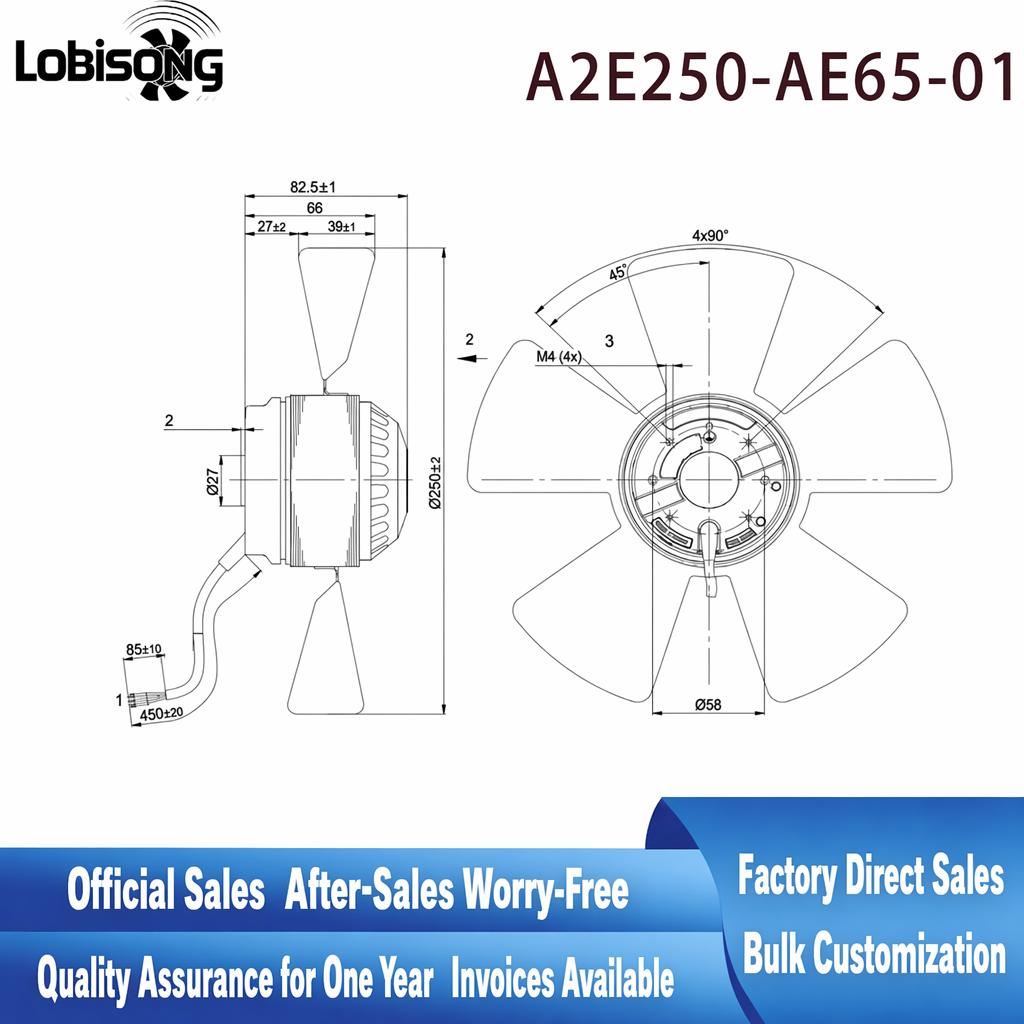
IP44 Protected Fan Series with Technical References: Performance curves and wiring diagrams support selection, equipment matching, and installation planning.
Multi-Model Support for Industrial Projects: The series includes five model references for replacement, equipment integration, and application-specific sourcing needs.
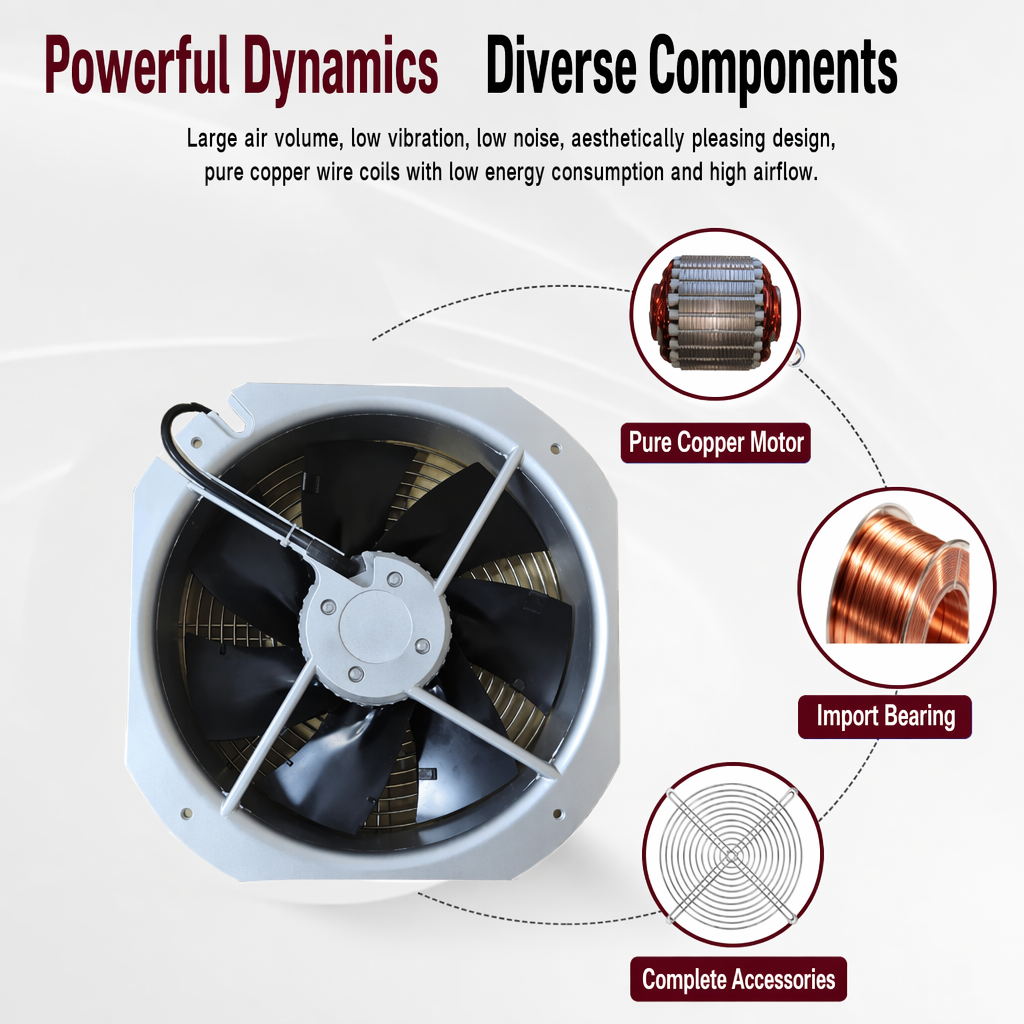
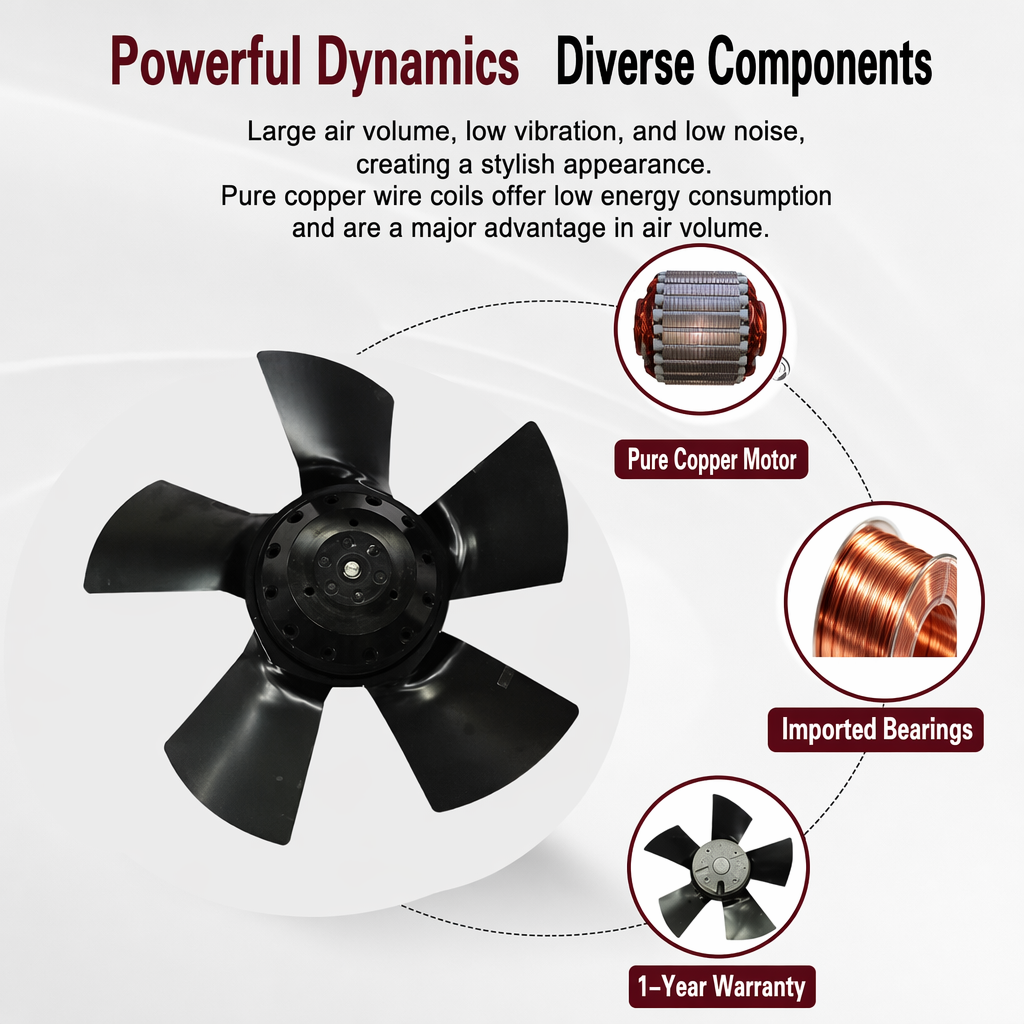
The AC Axial Fan series is designed for industrial ventilation, equipment cooling, electrical cabinet airflow, and direct-airflow applications. The product family includes A2E250-AJ40-08, A2E250-AM06-01, A2E250-AL06-11, A2E250-AL08-12, and A2E250-AE65-01. All five models share the confirmed series-level features of pure copper motor windings, imported precision bearings, a permanent-magnet brushless outer rotor motor structure, IP44 protection, and direct axial airflow for industrial cooling duties.
These AC axial fans are intended for installations where air needs to move through a defined opening, cabinet wall, equipment housing, or ventilation passage. Depending on equipment layout, a fan can be installed as an intake unit to introduce ambient air or as an exhaust unit to discharge warmer internal air. Before selecting a model, buyers should confirm electrical supply, installation position, mounting layout, connection arrangement, required airflow direction, and operating environment.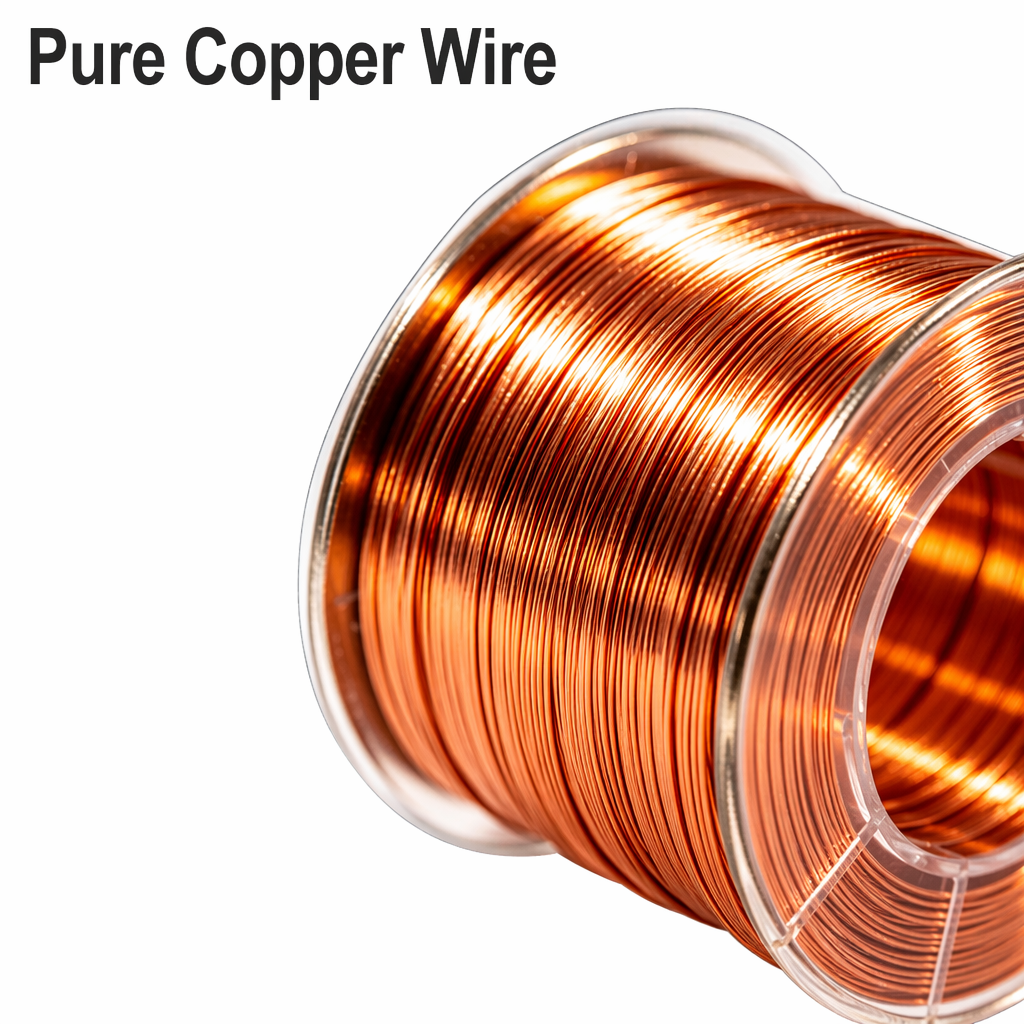
Industrial equipment can generate heat during continuous operation. Electrical cabinets, automation equipment, machine housings, ventilation systems, and production equipment depend on an appropriate airflow path to support heat dissipation. This AC axial fan series is designed to provide direct airflow through these equipment spaces, helping ventilation systems move air toward heat-generating areas and out through a suitable exhaust route.
The series uses a permanent-magnet brushless outer rotor motor configuration. In an outer rotor design, the rotating part of the motor is integrated with the fan assembly, creating a compact arrangement suitable for industrial ventilation applications. The motor uses pure copper winding material, selected for its electrical conductivity. The final cooling effect depends on selected model, equipment layout, airflow resistance, intake and exhaust position, filter condition, and surrounding installation environment.
Each fan in the series is equipped with imported precision bearing support. The bearing structure is designed to support smooth rotation during continuous operation and help reduce mechanical vibration and operating noise. Combined with the direct airflow layout, this design supports the product family’s role in industrial ventilation and equipment cooling systems.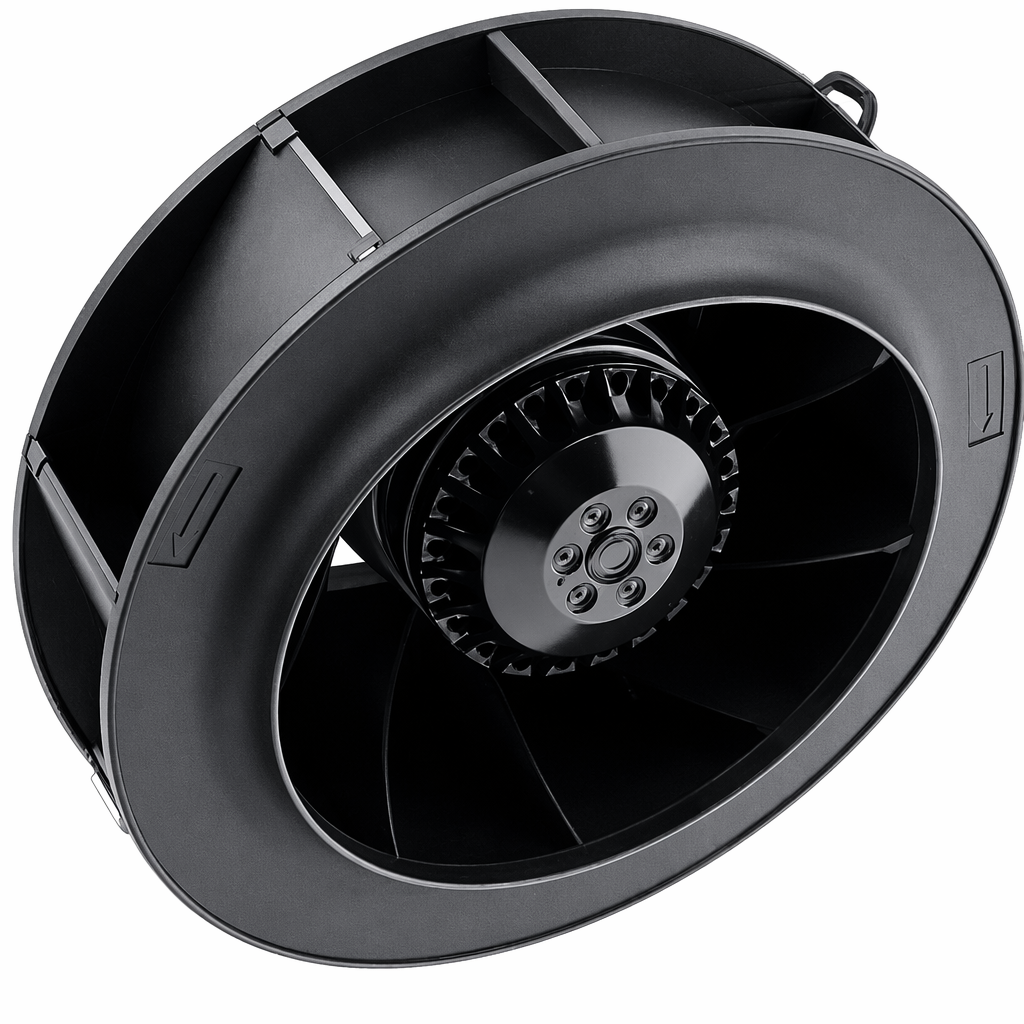
Pure Copper Motor Windings: All listed models use copper winding material as part of the motor drive structure.
Permanent-Magnet Brushless Outer Rotor Motor: The series uses a brushless outer rotor motor design for industrial airflow and cooling applications.
Imported Precision Bearings: Bearing support is designed to help maintain smooth rotation and controlled operating noise in regular ventilation use.
Direct Axial Airflow: The fans move air through a defined equipment opening, enclosure, cabinet, or ventilation path.
IP44 Protection: The series is specified with IP44 protection for applicable industrial ventilation environments.
Low-Noise and High-Airflow Design Direction: The motor, bearing, and airflow arrangement are designed to support direct air movement with controlled vibration and operating noise.
For an industrial ventilation fan, selection should not rely on product appearance alone. Electrical supply, mounting interface, airflow direction, equipment opening, and surrounding airflow resistance should all be checked together. A clear ventilation route allows cooling air to pass across heat-producing equipment and leave the enclosure efficiently rather than recirculating within restricted areas.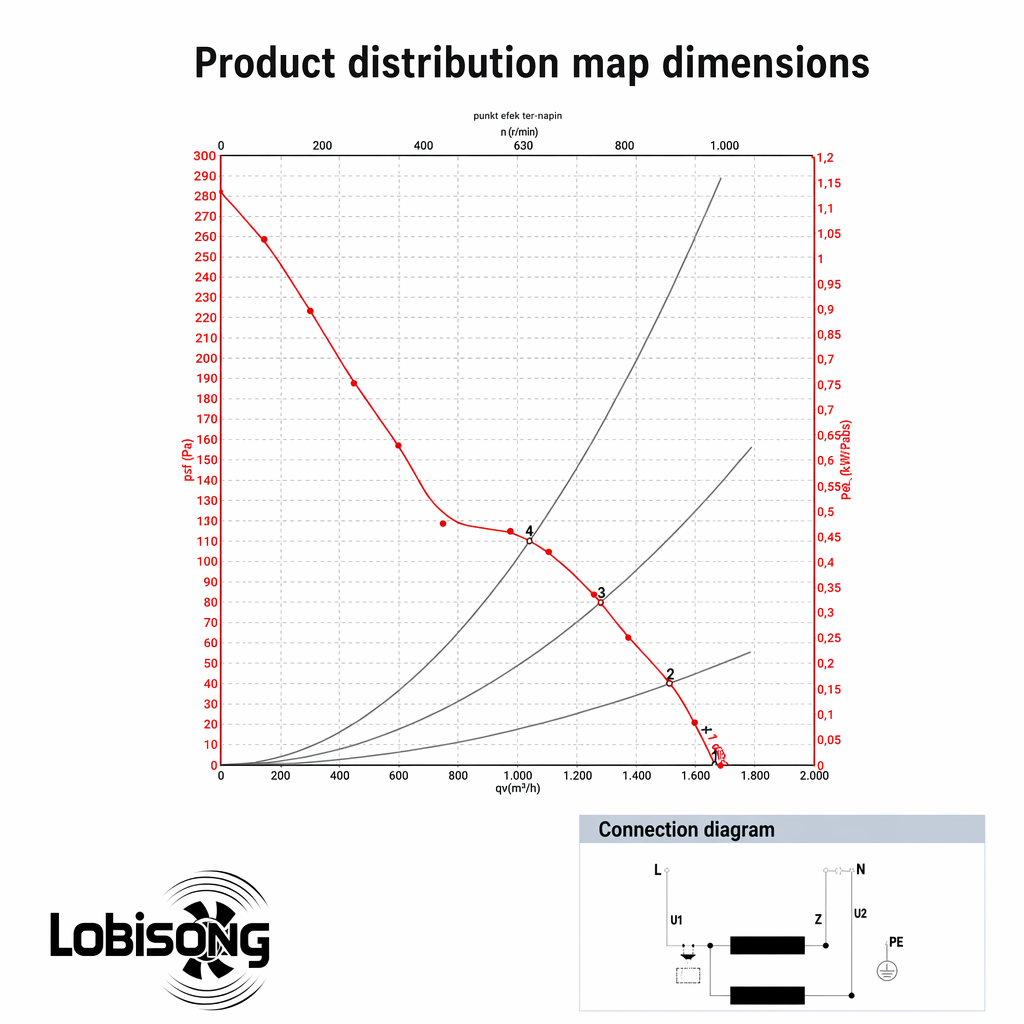
Technical parameter sheets, performance curves, and wiring diagrams are available for this series. These documents help engineering and purchasing teams review model-specific airflow and static-pressure performance, electrical connection requirements, mounting positions, and available equipment space.
Performance curves are useful when comparing a fan with the resistance of an equipment enclosure, duct section, filter, guard, or ventilation opening. Wiring diagrams provide a reference for electrical installation planning. Before installation, users should check the correct model reference, electrical supply, connection layout, airflow direction, mounting interface, and required protective arrangement against applicable documentation.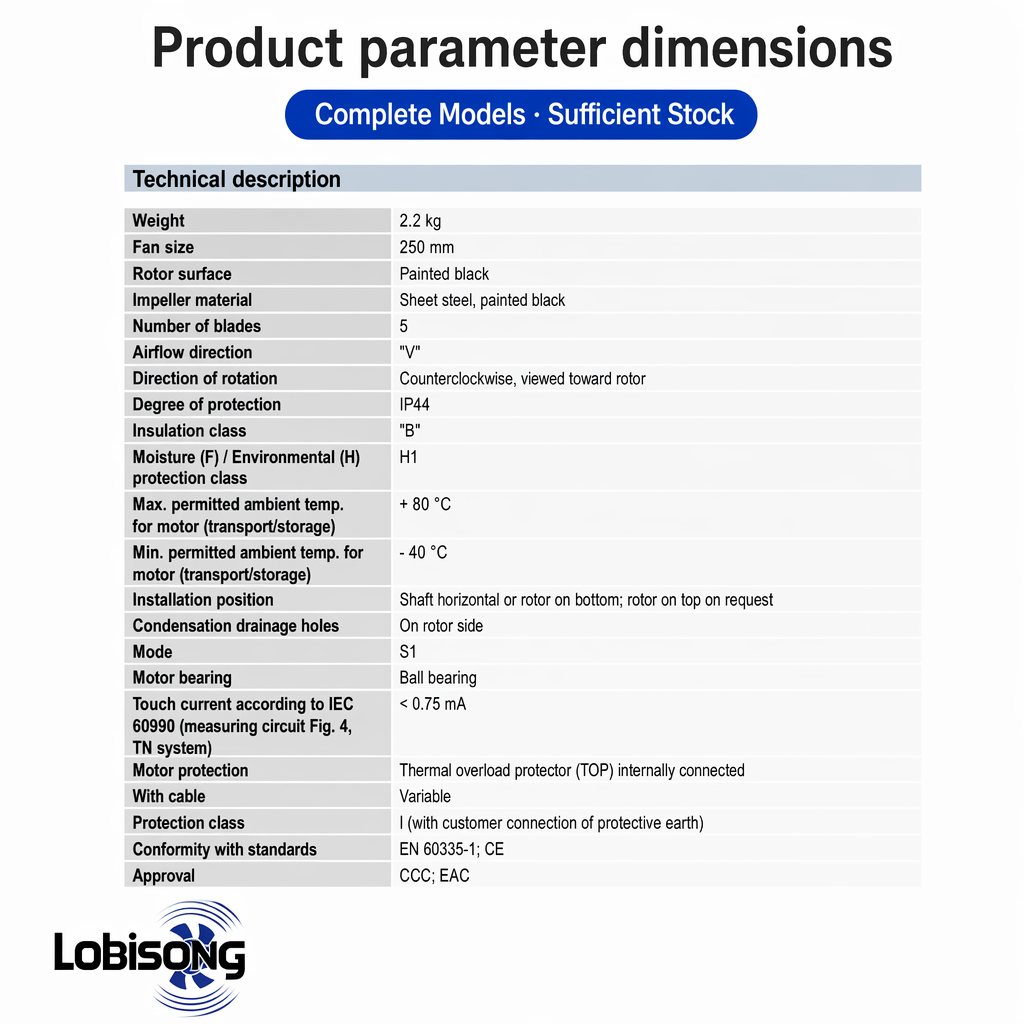
This AC axial fan series can be considered for a range of equipment ventilation and direct-airflow applications.
For B2B procurement, maintenance, and engineering teams, product selection accuracy is central to value. A multi-model AC axial fan series provides a range of references for equipment replacement and integration, while technical parameter sheets, performance curves, wiring diagrams, and installation drawings support a more informed selection process.
The series supports industrial sourcing requirements, including application-specific model selection and specification adjustment options. Buyers can use technical references to compare electrical conditions, mounting needs, airflow direction, and installation space before confirming a model. This approach helps align the selected fan with practical requirements of equipment maintenance, enclosure design, and ventilation planning.
Cooling performance depends on the route that air follows through equipment. An axial fan is most effective when its airflow passes across heat-generating components and has a clear route to leave the enclosure. If air is blocked by internal partitions, dense wiring, filters, or protective covers, the available airflow at the target area may be reduced.
During installation planning, determine whether the fan will work as an intake or exhaust unit, review the condition of filters and guards, and confirm the airflow direction shown in applicable documentation. A matched model reference, a clear ventilation route, and correct electrical installation help support reliable equipment cooling and air circulation.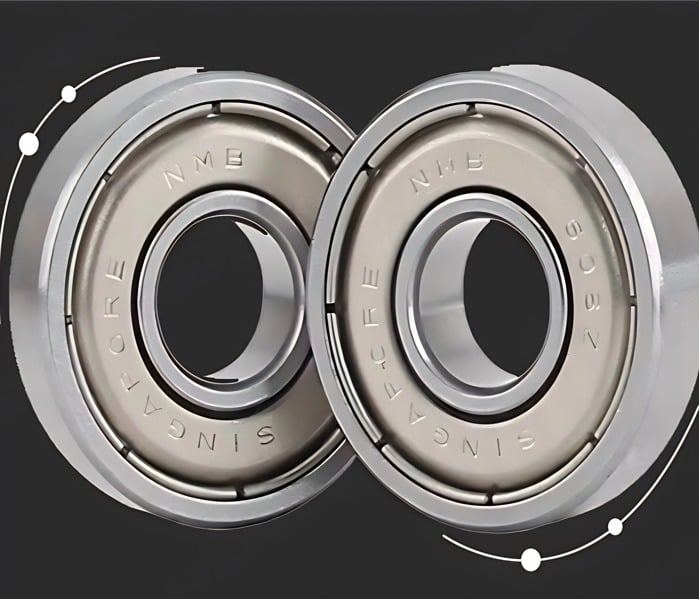
Q1: Which models are included in this AC axial fan series?
The series includes A2E250-AJ40-08, A2E250-AM06-01, A2E250-AL06-11, A2E250-AL08-12, and A2E250-AE65-01.
Q2: What core features apply to all five models?
All five models share pure copper motor windings, imported precision bearing support, a permanent-magnet brushless outer rotor motor design, IP44 protection, direct axial airflow, and low-noise operating characteristics.
Q3: What technical documents are available?
Technical parameter sheets, performance curves, and wiring diagrams are available to support model selection, electrical planning, and installation review.
Q4: What should be confirmed before ordering?
Confirm model reference, electrical supply, mounting arrangement, airflow direction, connection layout, operating environment, and applicable technical documentation before ordering or installation.
AC Axial Fan Series for Industrial Equipment Ventilation: Five related models provide direct airflow for cabinets, machinery enclosures, and industrial cooling positions.
Brushless Outer Rotor Motor Construction: Pure copper windings and imported precision bearing support help maintain smooth operation in continuous-duty ventilation tasks.
IP44 Protected Fan Series with Technical References: Performance curves and wiring diagrams support selection, equipment matching, and installation planning.
Multi-Model Support for Industrial Projects: The series includes five model references for replacement, equipment integration, and application-specific sourcing needs.

 EN
EN